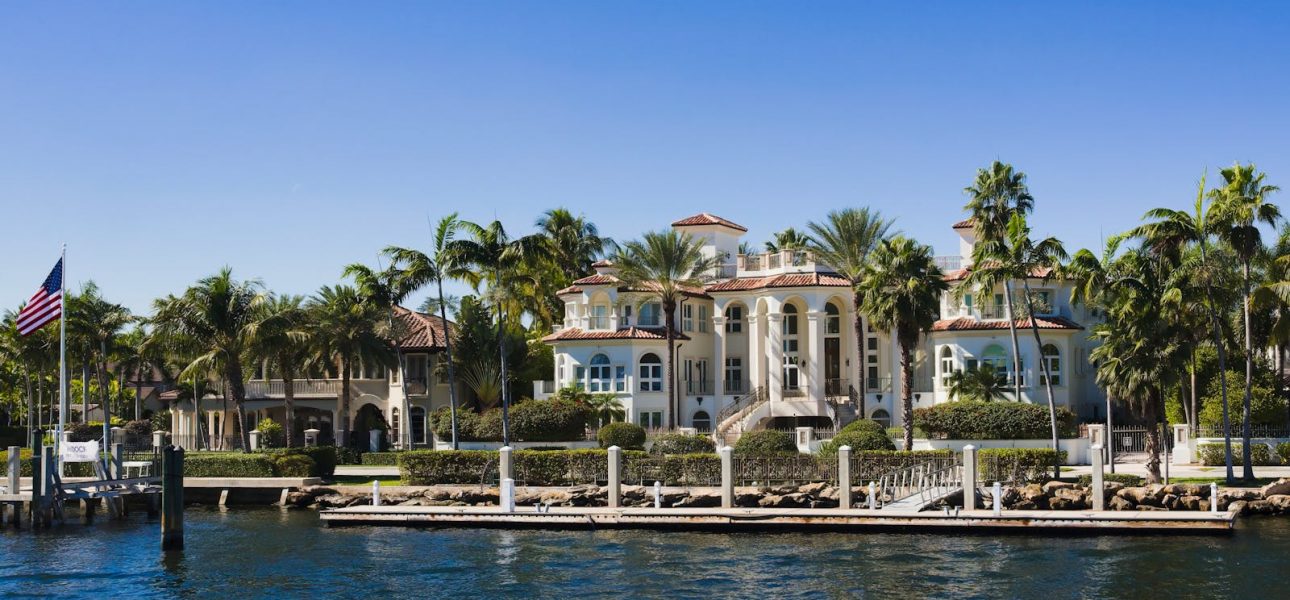
If you invest in Florida real estate, insurance has moved from a line item to a deal-maker or deal-breaker. The average Florida homeowners premium is on track for roughly $8,458 by year-end 2026 — about 2.8x the U.S. average — and coastal counties routinely run $9,000 to $18,000 on a single-family home. That reshapes how Florida investment property insurance flows through your loan and your returns.
⚡ Quick Answer: High Florida premiums compress cash flow and lower the DSCR lenders underwrite to — insurance is part of the “I” in PITIA. But 2026 is bringing partial relief (Citizens cut rates and new insurers entered), and condo distress is creating buying opportunities for investors with the right financing. Bancaverse structures around it. Get matched →
How Insurance Affects Your DSCR Loan
DSCR loans size to the property’s cash flow: rent divided by PITIA (principal, interest, taxes, insurance, association dues). When insurance doubles, PITIA rises, DSCR falls, and your maximum loan shrinks — even if rent is unchanged. Run the numbers before you write the offer with our DSCR loan options. A property that pencils at $1,500/year in insurance can go cash-flow-negative at $6,000.
Is the Crisis Easing in 2026?
Partly. Citizens Property Insurance cut rates about 8.7% statewide at spring 2026 renewals (and more in Miami-Dade and Broward), and 18 new private insurers have entered since the 2022 reforms — early signs of stabilization. (See Florida Realtors.) Premiums remain high, but the trend has stopped getting uniformly worse.
Where the Opportunity Is: Condo Distress
Rising HOA dues, special assessments, and reserve requirements are pushing condo investors to exit, thinning buyer pools and stretching exit timelines. For a well-capitalized investor, motivated sellers and discounts are the upside — if you can finance assets that conventional lenders avoid. Non-warrantable condos and association-stressed buildings are exactly where private capital and bridge financing step in.
Insurance Costs by Strategy
| Strategy | Insurance reality |
|---|---|
| Fix-and-flip | Builder’s risk for 6–8 months; budget it into the deal |
| DSCR rental | Premium directly lowers DSCR — underwrite conservatively |
| Condo | Master policy + assessments; verify reserves before buying |
How Bancaverse Helps Florida Investors
We underwrite your scenario with realistic 2026 insurance numbers and route it to lenders comfortable with Florida — including condo, coastal, and transitional assets — with no upfront fee. Smart structuring turns an insurance headwind into an entry point.
Investing in Florida? Get matched to a lender →
The Bottom Line on Florida Investment Property Insurance
Florida investment property insurance is now a primary underwriting variable, not a footnote. Investors who model Florida investment property insurance accurately can still find deals that pencil — and opportunity in the distress.
Frequently Asked Questions
Q: How much is investment property insurance in Florida?
A: It varies widely — the statewide average is heading toward about $8,458 in 2026, with coastal single-family homes often $9,000–$18,000. Always quote the specific property before underwriting.
Q: Does insurance affect my DSCR loan amount?
A: Yes. Insurance is part of PITIA, so a higher premium lowers your DSCR and can reduce the maximum loan, even with the same rent.
Q: Is Florida insurance getting cheaper?
A: There are early signs of relief in 2026 — rate cuts at Citizens and new insurers entering — but premiums remain high by national standards.
Q: Can I finance a non-warrantable or distressed condo?
A: Often yes, through private and bridge lenders that Bancaverse works with, even when conventional lenders decline.
Q: Does Bancaverse lend in Florida?
A: We arrange financing through lenders active in Florida; Bancaverse is a brokerage and does not lend directly.