
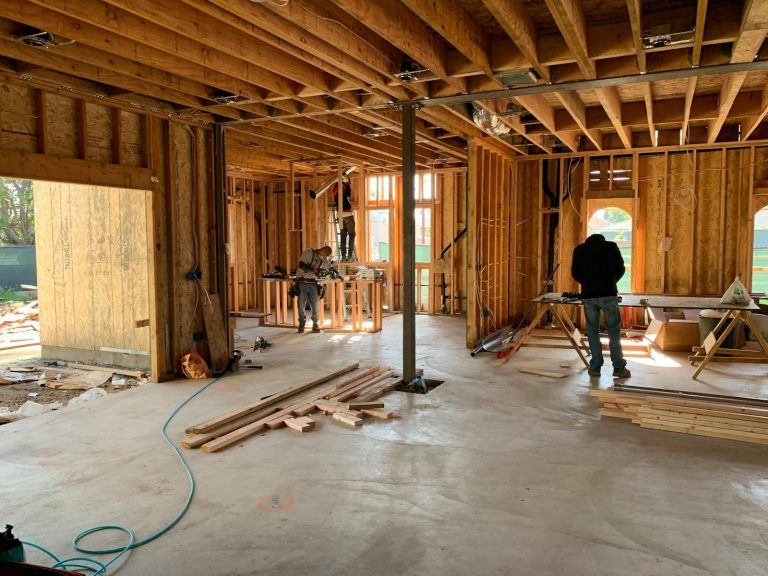
Fix & Flip and Ground-Up Construction Loans

Real Estate Bridge Loans
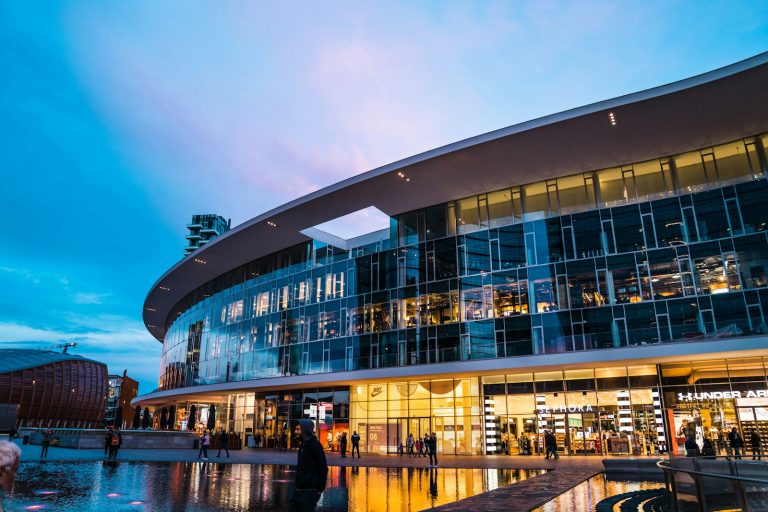
Commercial Real Estate Loans
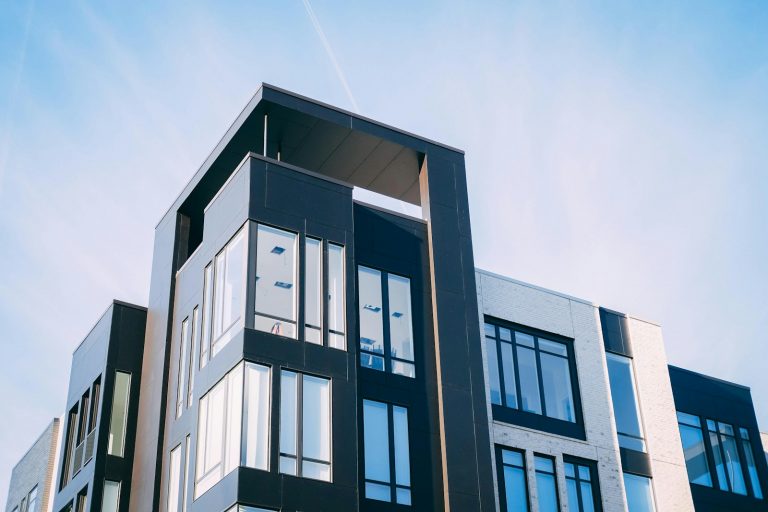
Multifamily Bridge and Value-Add Loans
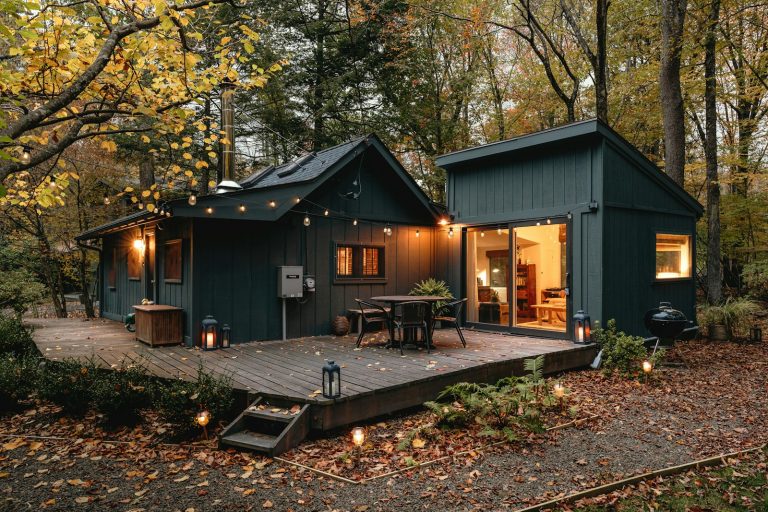
DSCR Rental Property Loans
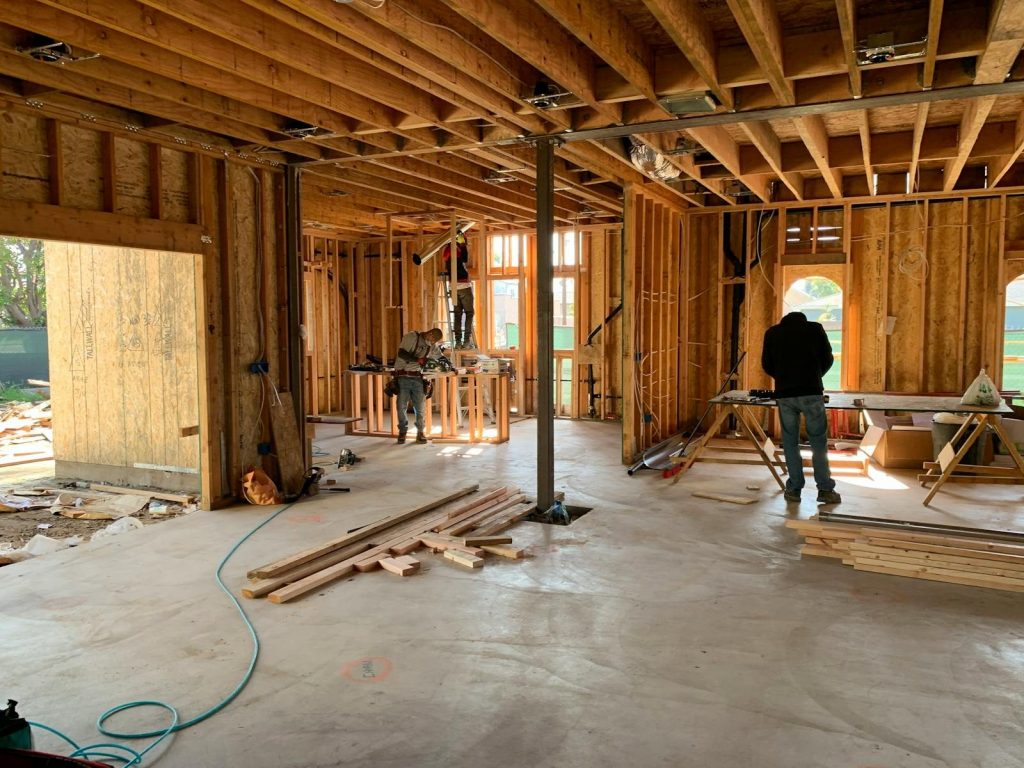
Fix & Flip and Ground-Up Construction Loans
Short-term loans for flips, new builds, light rehab, or build-to-rent strategies.
We fund fast so you can move quickly and stay competitive.

Real Estate Bridge Loans
Fast capital for acquisitions, partner buyouts, or short-term cash-out.
A simple solution when timing, liquidity, or flexibility matters most.
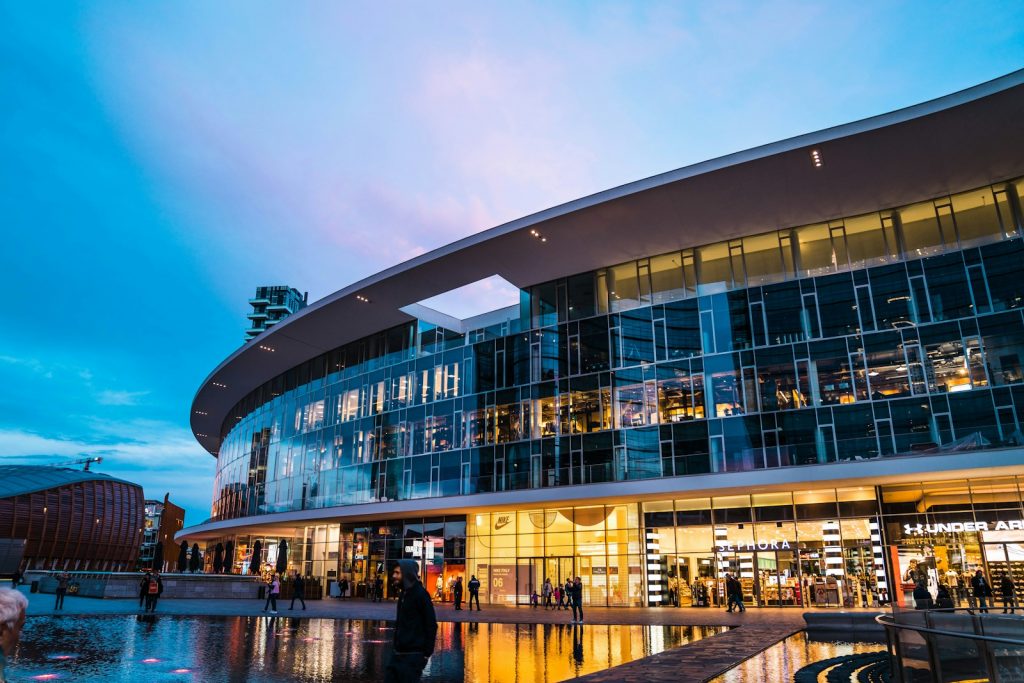
Commercial Real Estate Loans
Flexible capital for acquisitions, rehabs, repositioning, and special-use properties.
Perfect for transitional assets or those not ready for permanent financing.
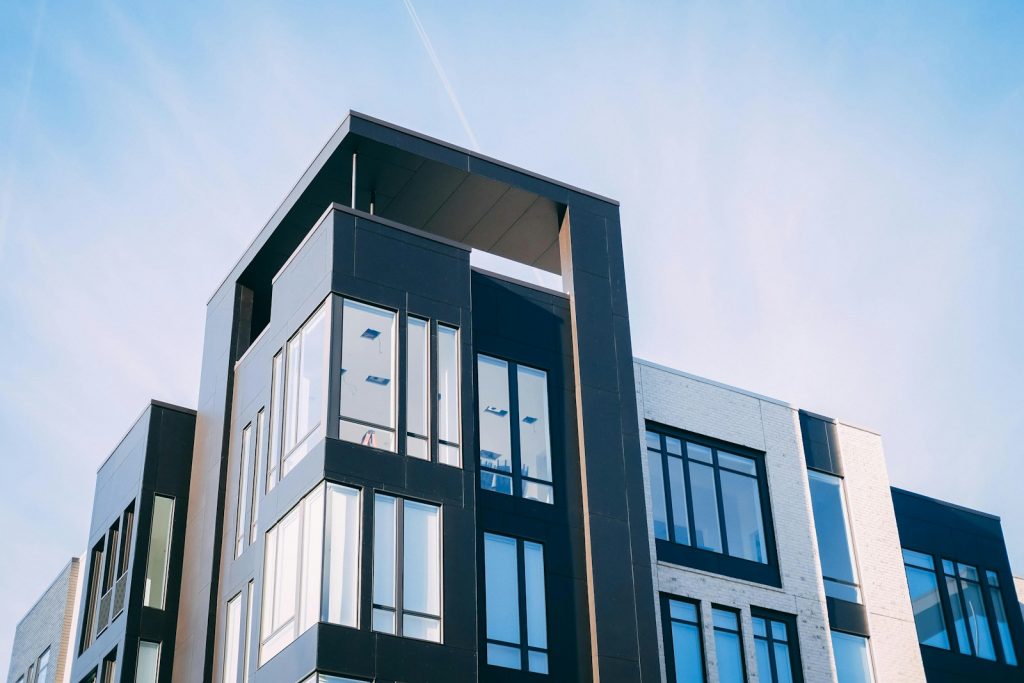
Multifamily Bridge and Value-Add Loans
Bridge and renovation loans for 5+ unit properties and portfolios.
Whether buying or upgrading, we bring lenders who understand multifamily.
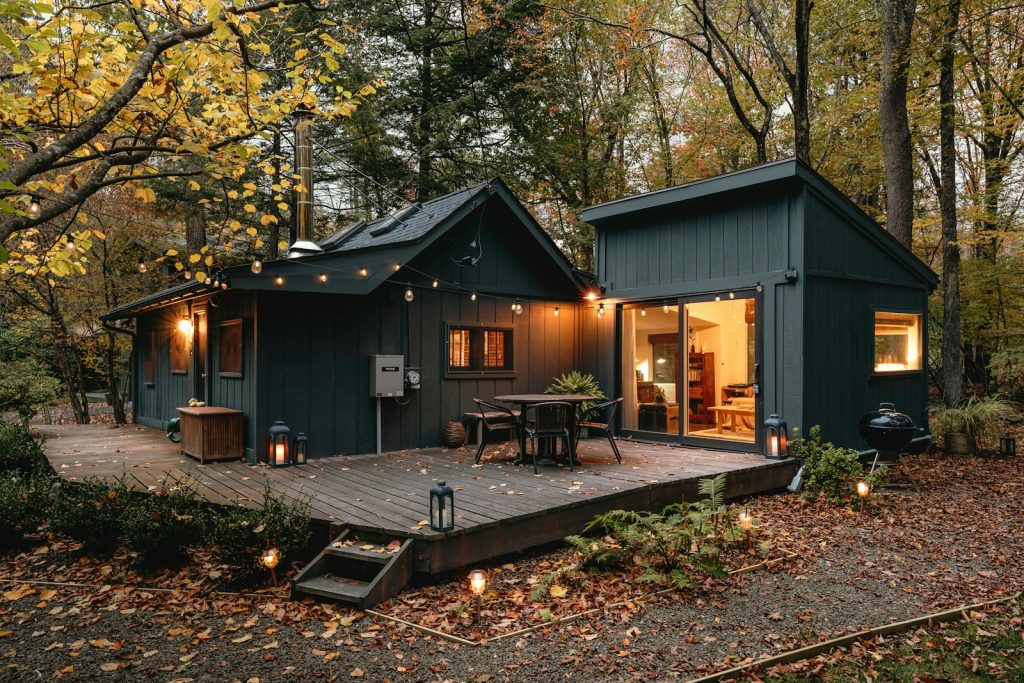
DSCR Rental Property Loans
Long-term rental financing based on property income, not personal income.
Ideal for scaling portfolios with fixed-rate or interest-only options.
How Bancaverse™ actually works
Bancaverse™ is a private credit platform and brokerage for business purpose mortgage lending. We represent the borrower. You submit one file, we take it to the lenders in our network whose credit box actually fits the deal, and you get term sheets back to compare side by side.
That last part is the whole point. Most investors call one lender, get one set of terms, and have no idea whether it was good. They find out six months later when somebody at a meetup mentions what they got on a similar deal. Running the same file past multiple desks at once is how you find out before you sign, not after.
We work on deals from $300,000 to $10 million, on investment and business purpose property only. No owner-occupied, no consumer mortgages.
Which program fits your deal
Most people come to us with a deal, not a product category. Find yours.
You're buying a 14-unit that needs $400K of work and the seller wants to close in 21 days.
That's a multifamily bridge. Agency won't move that fast and won't fund the renovation. Bridge buys you the runway to do the work and stabilize, then you refinance out.
You own four rentals in an LLC and your tax returns don't show the income.
That's a DSCR rental loan. The property's cash flow qualifies the loan, not your W-2 or your Schedule E. Write-offs that kill you on a conventional application don't matter here.
You're two lots into a five-house build and the bank pulled your takeout.
That's ground-up construction with a takeout plan. The draw schedule and the exit get underwritten together, so you're not scrambling for permanent financing while you're still framing.
You found a strip center trading at a discount because two tenants rolled off.
That's a commercial bridge. The lender underwrites where the rent roll is going, not just where it sits today. That's the difference between getting a quote and getting a no.
Your partner wants out and you need to buy their half before the note matures.
That's a bridge cash-out. Short-term, secured by the asset, priced for speed rather than for a thirty-year hold.
You're flipping and your last lender took five weeks to fund.
That's fix-and-flip / RTL. Honestly, if your lender is taking five weeks you're losing deals you never hear about. Speed is the product.
How each program works
What gets underwritten, how long the money lasts, and how you get out.
Fix-and-flip, rehab and ground-up (RTL)
Short-term financing for buying, rehabbing and selling, or for building new. Lenders underwrite the purchase price, the rehab budget and the after-repair value, plus your track record. Rehab money comes in draws against completed work, so budget accuracy matters more than most first-timers expect. Terms usually run 12 to 24 months, interest-only. Build-to-rent falls here too, with a DSCR takeout lined up at the end.
First-time flippers are fundable. The file just has to be tighter, and the contractor bid has to be real.
Full breakdown on the fix-and-flip and construction loan page.
Bridge loans
Short-term capital for when the timing doesn't line up. Acquisitions on a deadline, partner buyouts, cash-out against equity you already have, or holding an asset through a transition. Underwriting is asset-first. The lender wants to know what the property is worth, what your plan is, and how you're getting out.
The exit is the part people underprepare. A bridge loan without a credible takeout is how borrowers end up extending at a worse price. We'd rather have that conversation up front.
More detail on how bridge loans work.
Commercial
Acquisitions, rehabs, repositioning and special-use assets. Office, retail, industrial, mixed-use, self-storage, hospitality. This is where a broker earns their keep, because commercial credit boxes vary enormously between lenders and the same file can get a no from one desk and a competitive quote from the next. Deals not ready for permanent financing live here.
Deeper on commercial real estate financing.
Multifamily
Five units and up, including portfolios. Bridge and renovation capital for value-add plays, lease-up, and properties that don't yet qualify for agency debt. Lenders look at in-place rents, the renovation plan, the rent comps you're underwriting to, and whether your operator has done it before.
Most of these end in an agency or bank refinance. Planning that exit at the start changes what the bridge should look like.
The multifamily lending page covers underwriting and exits.
DSCR rental loans
Long-term financing on the property's income rather than yours. No tax returns, no employment verification. The lender divides the rent by the debt service and that ratio drives the decision. Fixed rate or interest-only, and it works for single properties or a blanket loan across a portfolio.
This is what lets investors keep buying after conventional lenders tell them they've hit their limit.
See DSCR rental loans for ratios and portfolio options.
What you need to submit
Nobody publishes this, which is strange, because it's the first question every borrower has. Here's what gets a file moving:
- The property. Address, purchase price or current value, property type, unit count.
- The deal. What you're doing with it and when you're getting out. Two or three sentences is fine.
- The money. How much you need, how much you're putting in, where your down payment is coming from.
- Rehab budget, if there is one. Line-item, with a contractor bid if you have it.
- Rent roll and operating statements for anything with tenants. T-12 if you've got it.
- Your track record. Deals you've done, or if this is your first, who's on your team who has.
- Entity documents. These are business purpose loans, so the borrower is an LLC or corp.
- A credit pull. Soft to start.
You don't need all of it to get a conversation started. You do need all of it to get to a term sheet.
Minimums
Loan amount of $300,000 or more, and a 680 or better FICO. Both, not either.
We hold that line so the borrowers we take on get real attention rather than a queue position. Below those numbers we're not the right fit, and we'd rather say so on this page than waste a week of yours finding out.
What we don't screen on is experience. A first-time investor with a real deal and a clean file is brokerable. We'll ask about your track record because lenders price on it, not because it's a gate.
Common questions
What happens after I submit?
We read the file and come back with questions, usually same day. Once it's complete it goes out to the desks whose credit box fits. Term sheets come back over the following days and we walk through them with you, including the parts lenders don't volunteer. You pick. Then we manage it to closing.
How fast can this close?
Depends on the program and on how fast you get documents back. Bridge and RTL deals close in weeks rather than months when the file is complete. The delay is almost never the lender. It's usually a missing rehab budget or an appraisal nobody scheduled.
Do you charge the borrower?
Fee structure gets laid out in writing before you're asked to commit to anything. No surprises at the closing table.
Will shopping my deal to multiple lenders hurt my credit?
No. We start with a soft pull, and we don't blast your file across the market. It goes to the specific desks whose credit box fits the deal.
What if my deal has hair on it?
Tell us early. Non-warrantable condos, foreign national and ITIN borrowers, self-storage, assisted living, properties banks won't touch. A lot of what we place is exactly the stuff that got declined somewhere else. What kills a file isn't the complication, it's finding out about it in week three.
What states do you work in?
We place deals nationally. State-specific guides are linked below if you want local detail before you submit.
Can I use this for a house I'm going to live in?
No. Business purpose and investment property only.
Investment property loans by state
State-specific lender guides with local rates, DSCR minimums and closing timelines:
- Alaska investment property loans
- Arkansas investment property loans
- Colorado investment property loans
- Connecticut investment property loans
- Delaware investment property loans
- Florida investment property loans
- Georgia investment property loans
- Hawaii investment property loans
- Indiana investment property loans
- Iowa investment property loans
- Kansas investment property loans
- Kentucky investment property loans
- Louisiana investment property loans
- Maine investment property loans
- Maryland investment property loans
- Massachusetts investment property loans
- Mississippi investment property loans
- Missouri investment property loans
- Montana investment property loans
- Nebraska investment property loans
- New Hampshire investment property loans
- New Mexico investment property loans
- North Carolina investment property loans
- Ohio investment property loans
- Oklahoma investment property loans
- Pennsylvania investment property loans
- Rhode Island investment property loans
- South Carolina investment property loans
- Tennessee investment property loans
- Texas investment property loans
- Washington DC investment property loans
- Wyoming investment property loans