
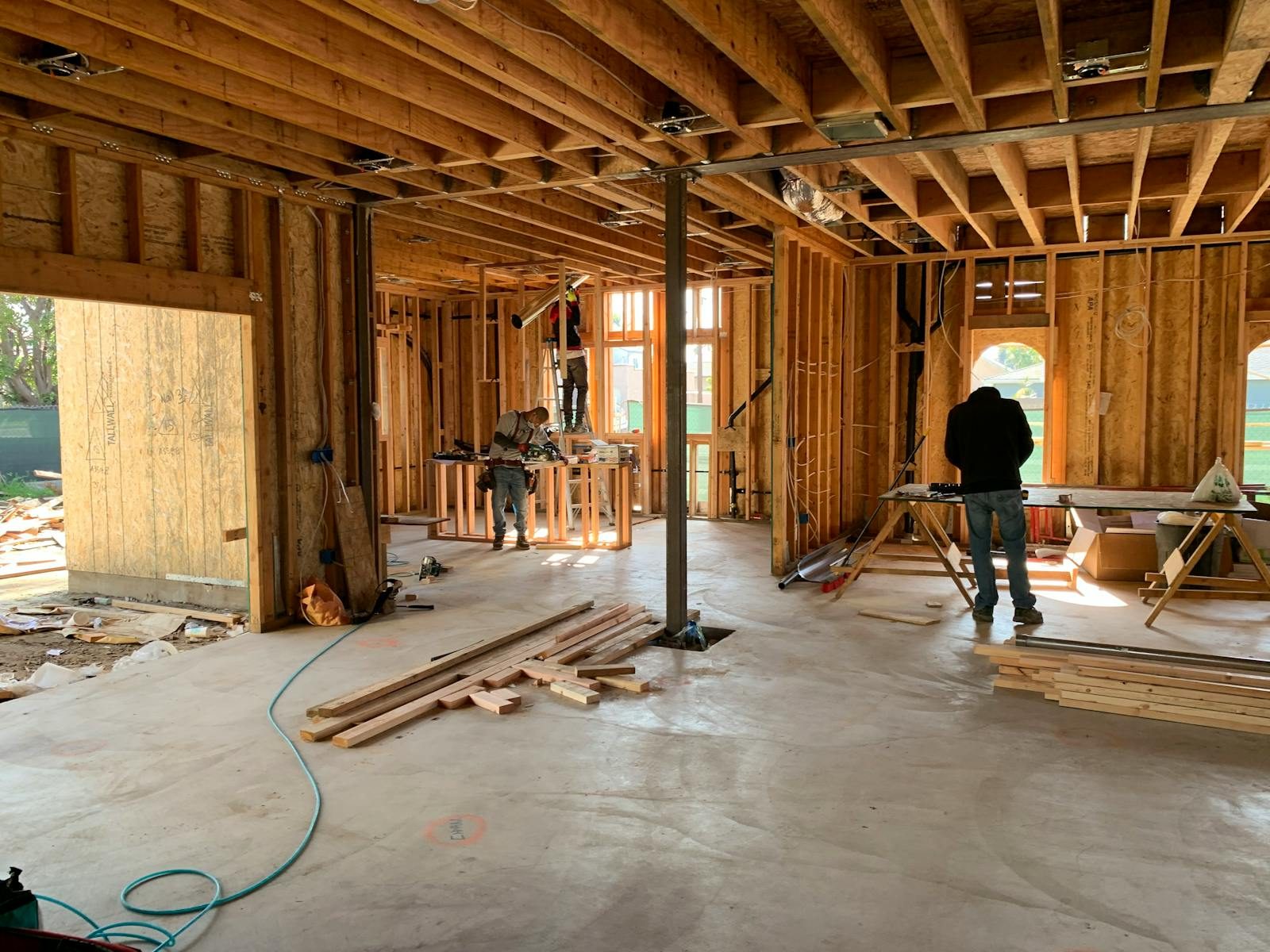
Fix & Flip, Ground-Up Construction
Residential Transition Loans are designed for active real estate investors looking to buy, build, renovate, or reposition residential properties for resale or long-term rental. Whether you are flipping homes, building from the ground up, or adding an accessory dwelling unit, Bancaverse connects you to the right capital faster and with more control.
With one submission, we match your project to private lenders who are actively funding similar deals in your target market. You get multiple offers, professional guidance, and support all the way through closing.
Use Cases We Support
Fix and Flip
Short-term capital for acquiring, renovating, and reselling homes
Ground-Up Construction
Loans for new builds including single-family homes, townhomes, and small residential projects
Accessory Dwelling Units (ADUs)
Loans for constructing or converting ADUs on residential lots to enhance rental income or property value
Build to Rent
Short-term financing for new construction projects that will convert to long-term rental income
Typical Loan Terms
- Loan amounts from 200,000 to over 10 million
- Up to 90 percent loan to cost
- Up to 75 percent after repair value
- Interest-only payments
- Terms from 6 to 24 months
- Closings within 5 to 20 business days (Depending on Appraisal & Lender)
- No income documentation required
- Available for non-owner-occupied residential properties nationwide
** Final terms vary based on borrower experience, liquidity, and project details.
What Helps Speed Up the Approval Process
To secure faster quotes and stronger offers, we recommend having the following items ready:
- A clear scope of work and detailed renovation or construction budget
- Comparable sales supporting your projected resale value
- A brief track record or resume showing previous projects
- A current personal financial statement or bank statement
- A defined exit strategy such as resale or refinance
- Photos, floor plans, or basic renderings where applicable
Our team will help organize and polish your file so lenders get exactly what they need to issue offers with confidence.
Who this is for
The investor who calls us about a fix-and-flip or ground-up loan already has the deal. What they don’t have is three weeks to wait on a bank, or a W-2 that makes a bank comfortable. A flipper in San Antonio with a contract that closes in 14 days. A builder in Georgia putting up six townhomes and tired of one lender’s draw process. An investor adding an ADU behind a rental in Austin. A build-to-rent operator who needs construction money now and DSCR money in eighteen months.
Residential transition loans at Bancaverse™ cover 1–4 unit non-owner-occupied property from roughly $200K to $10M. Texas is home; the lender network covers 32 states. If the property is five units or more, use our multifamily program. If it’s already renovated and rented, you want a DSCR rental loan.
How it works at Bancaverse™
- Submit your deal. Address, purchase price, rehab or construction budget, ARV or projected value, your timeline and your exit. About ten minutes on the application.
- We package it. Scope of work, budget, comps and sponsor summary in the format flip and construction lenders underwrite from. What to prepare before you submit.
- Lenders compete. Your file goes to the private lenders actively funding this kind of deal in your market. You get up to five competing offers.
- You pick. Compare leverage on purchase and rehab, draw process, interest treatment, extensions and speed, not just the rate. You choose.
- Close. Five to twenty business days depending on appraisal and lender. We’ve seen a $2M ground-up deal fund in eleven days.
Bancaverse™ is a private credit brokerage. We represent you, the borrower, and we don’t lend. Should you use a broker for fix-and-flip? Here’s our honest answer.
What lenders look at on a flip or construction deal
- Loan-to-cost and after-repair value. Lenders fund a percentage of purchase plus rehab, capped at a percentage of ARV. The tighter number wins. How LTC and LTV size the loan and how ARV gets set.
- The budget. Line-item scope of work, contingency, and whether the numbers match the comps. Vague budgets get lower leverage.
- The comps. Sold, not listed. Same submarket, similar finish level, last six months.
- Track record. Completed projects in the last 24–36 months. First-timers get funded, usually with lower leverage or a partner with experience.
- Liquidity. Down payment, closing costs, and enough reserve to carry interest and cost overruns. How interest reserves work.
- The exit. Sale at ARV, or refinance into a DSCR loan for a rental. Lenders want to see the refinance math work at today’s rates.
On ground-up and heavy rehab, the draw schedule matters as much as the rate. How construction draws actually work, and what ground-up lenders require.
Rates and points move with the market, the market you’re in and your experience, so we don’t quote them on a page. Competition moves leverage and structure, not just price.
Common mistakes that kill funding
The same handful of problems sink most flip files before a lender even prices them: buying at a number the ARV can’t support, a rehab budget with no contingency, comps from the wrong neighborhood, and no liquidity left after closing. The full list, and how to avoid each one. Run your numbers first with the fix-and-flip profit calculator.
Where the deals are right now
Texas is the most active flip and build market we place, from fix-and-flip in the major metros to ground-up in the growth corridors. Build-to-rent is the fastest-growing use case. State guides: Georgia, Florida, North Carolina, South Carolina, Colorado.
Frequently asked questions
How fast can a fix-and-flip loan close?
Five to twenty business days depending on the appraisal and the lender. With a complete file and an appraisal already ordered, ten days is realistic.
Do I need experience to get a flip or construction loan?
No, but it changes the terms. Experienced investors get higher leverage and faster closings. First-timers get placed with lenders who work with new investors, usually at lower leverage. Step-by-step for new investors.
Do I need a W-2 or tax returns?
No. These loans are underwritten on the deal, the budget and your liquidity, not your personal income. More on qualifying without a W-2.
How are rehab and construction funds paid out?
In draws, as work is completed and inspected. Purchase money funds at closing; rehab money is reimbursed against completed line items.
Can I finance an ADU?
Yes. ADU construction or conversion on a non-owner-occupied lot is placed the same way as a light ground-up deal.
What happens when the project is done?
You sell, or you refinance into a long-term DSCR loan and keep it as a rental. We place both sides. The bridge-to-DSCR strategy.
Is Bancaverse™ the lender?
No. We’re a private credit brokerage representing the borrower. Your deal goes to multiple lenders, they compete, you choose. Nothing to submit, nothing to receive offers, no subscription fees.
Submit your flip or construction deal and get competing offers →
Fix-and-flip and construction is one of five programs we place. Not sure it is the right fit for your deal? Compare all our loan programs.