Quick answer: DSCR loans can finance Florida condos, but lenders look at the building as closely as the unit. Under Florida’s SB 4-D rules, older condo buildings of three stories or more face milestone inspections and structural integrity reserve studies, so the association’s reserves, completed reports and any special assessments now sit alongside the rent in underwriting.
Key takeaways
- Condo buildings three stories or taller are subject to milestone inspections, with the first inspection due at 25 years for buildings within three miles of the coast and 30 years for those further inland, then every 10 years [1].
- Associations must also complete a structural integrity reserve study (SIRS) and fund the items it identifies; reserve waivers for those items ended for budgets adopted on or after December 31, 2024 [1][2].
- For a DSCR loan, monthly dues and any assessment payments typically count against the property’s cash flow, so a building’s financial health directly affects whether a unit qualifies.
- Investors who do the document work early can find well-run buildings that lenders like, and negotiate on buildings where deferred maintenance is already priced in.
What changed for Florida condos under SB 4-D?
After the 2021 Champlain Towers collapse in Surfside, Florida passed Senate Bill 4-D to tighten how older condominium and cooperative buildings are inspected and funded. Two pieces matter most to investors: milestone inspections and the structural integrity reserve study.
According to engineering and risk-management summaries of the law, it applies to condo and co-op buildings that are three stories or higher. The first milestone inspection is due by December 31 of the year a building turns 25 if it is within three miles of the shoreline, or 30 if it is farther inland, with reinspection every 10 years [1][2]. If the inspector finds substantial structural deterioration, a second, more detailed phase follows, and owners generally have a limited period to begin repairs after the report is filed [1].
The structural integrity reserve study is a visual-inspection-based study of the reserves needed for future major repairs and replacements. Published summaries describe components such as roofs, fireproofing and fire protection systems, waterproofing and exterior painting, and windows and exterior doors, and say the study must be updated every 10 years [1][2]. Importantly, associations controlled by unit owners can no longer vote to waive or reduce reserves for the covered components in budgets adopted on or after December 31, 2024 [1]. Deadlines for completing initial studies have been adjusted by later legislation, so confirm the current status with the association and the Florida Department of Business and Professional Regulation (DBPR).
The result is more paperwork, higher dues in many buildings, and in some cases special assessments. All of that flows straight into rental-property math.
How does a condo change DSCR underwriting?
DSCR loans qualify a rental property on its own income instead of on your personal tax returns. The property’s rent is compared with its housing costs, including the loan payment, taxes, insurance and association dues. When dues rise or an assessment is payable, the ratio tightens even if the rent has not changed.
Lenders also review the condo project itself. While each lender sets its own box, the items below are common review points, and they have become more prominent in Florida since the new law:
| What the lender reviews | Why it matters for a DSCR condo loan | What you can request up front |
|---|---|---|
| Association budget and reserves | Under-funded reserves can mean future assessments or higher dues | Current budget, reserve balance, SIRS summary |
| Milestone inspection status | Open structural findings or unfinished repairs raise risk | Inspection reports and repair timelines |
| Special assessments | Payments increase monthly carrying cost and reduce coverage | Board minutes, assessment schedule, who pays what |
| Litigation and insurance | Active litigation or inadequate master coverage can disqualify a project with some lenders | Condo questionnaire, master insurance certificate |
| Investor concentration and rental rules | Many lenders limit exposure where most units are non-owner-occupied; some buildings restrict short rentals | Rental policy, rental cap, unit ownership breakdown |
Where the opportunity is for investors
It would be easy to read the new rules as only a headwind. For prepared investors, they also create entry points. Buildings that completed inspections, funded reserves and have clean financials stand out to lenders and tenants alike. Buildings with known repair needs, by contrast, may trade at discounts that reflect the work ahead. The investor who understands the assessment schedule can underwrite that price properly rather than guess.
The same applies to timing. Associations that already hold completed studies give buyers something concrete to underwrite, while buildings still working through deferred maintenance create motivated-seller situations. Neither is automatically a good or bad deal; the point is that documents let you price risk instead of fearing it.
Found a condo with a complete package? Send us the unit address, lease or market rent, and the association documents, and we will match it to DSCR lenders comfortable with Florida condo projects. Start your application.
Which Florida markets have the most condo exposure?
Miami-Dade, Broward and Palm Beach
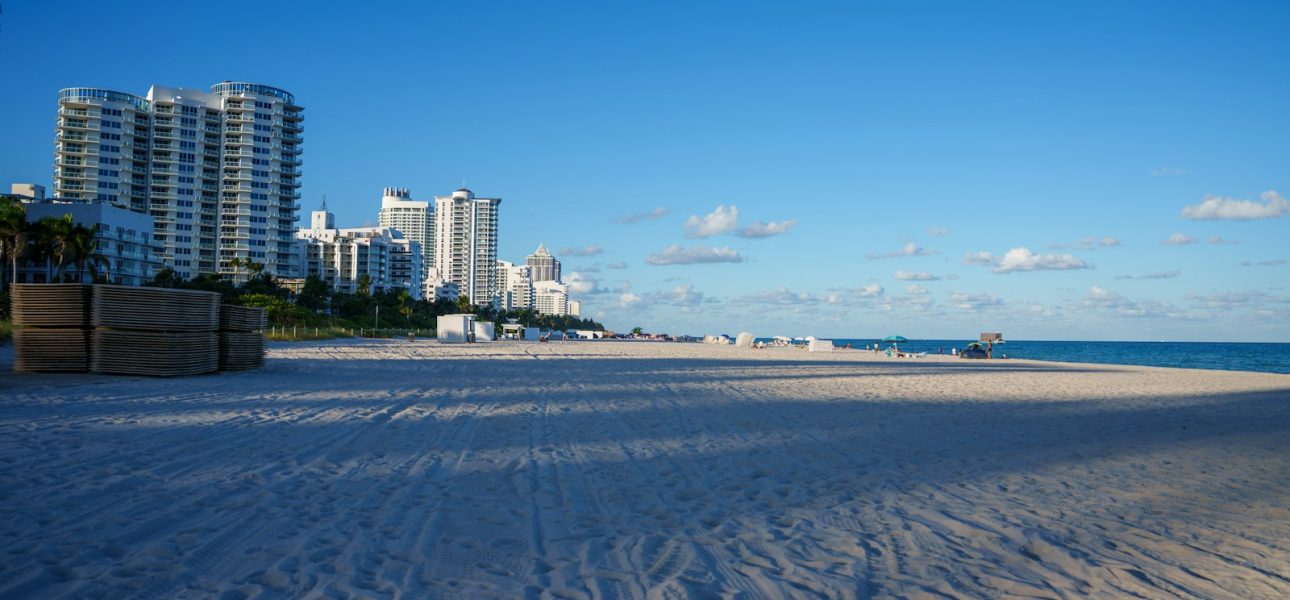
The Southeast Florida coast has the highest concentration of older high-rise and mid-rise condo buildings, many within the three-mile coastal band that triggers the 25-year milestone. Expect more building-level documentation here, and expect lenders to ask detailed questions about reserves and assessments.
Tampa Bay and Pinellas County
Tampa, St. Petersburg and the Gulf beaches have a mix of older waterfront buildings and newer mid-rise stock. Insurance and flood exposure are part of the building review alongside the milestone items.
Orlando and Central Florida
Central Florida’s condo supply includes resort-area and suburban projects. Inland buildings fall under the 30-year threshold, so many are not yet at their first milestone, but they still need to meet the SIRS and reserve requirements if they are three stories or higher.
Jacksonville and the First Coast
Duval and St. Johns counties offer a mix of coastal and inland condo buildings with different inspection timelines. Check the building’s age and distance from the shoreline to know which threshold applies.
A pre-offer checklist for condo DSCR deals
- Ask for the association documents first. Budget, reserve balance, SIRS summary, milestone inspection reports and recent board minutes.
- Find out about any assessments. Who owes what, and when. A seller-paid assessment can be negotiated into the price.
- Check rental rules. Minimum lease terms, rental caps and approval processes affect your income plan.
- Run the DSCR with real dues. Use our DSCR calculator and include current association dues and any assessment payments.
- Confirm project eligibility with a lender. Not every program accepts every condo project, which is why comparing lenders is important. Our checklist on how to compare private lenders shows what to ask.
Can you use a bridge loan first and refinance to DSCR later?
Yes. Many investors buy a condo that needs work or is not yet stabilized with a short-term bridge or fix-and-flip loan, finish the renovation and lease-up, and then refinance into a DSCR loan once the unit is rented. That path suits buildings where the association is mid-repair, because the bridge gives you time for the project to finish before a long-term lender reviews it. Our pillar guide, SFR and RTL financing in 2026, walks through how residential transition loans lead into rental financing, and the broader DSCR landscape is covered in DSCR loan trends across Florida, Tennessee, Ohio, Georgia and Kentucky.
How does Bancaverse help with Florida condo deals?
Bancaverse is a private credit platform and brokerage for business-purpose lending. We do not lend our own balance sheet. We place your scenario with lenders on the platform, so you can see how different programs treat the same building: some are comfortable with higher investor concentration, others focus on reserves, others on the age of the building. The goal is simple: get real term sheets before you commit.
We do not charge upfront fees. Our fee is paid only when your loan closes. Loans on the platform generally start at $300,000, and lenders usually look for a 680 or higher credit score. We will tell you quickly whether a given condo is in range.
Frequently asked questions
Do DSCR lenders finance condos in Florida?
Yes, but each lender has its own condo project rules. Expect questions about reserves, litigation, insurance, investor concentration and the building’s inspection status.
Which Florida condo buildings need milestone inspections?
Condo and cooperative buildings three stories or taller. The first inspection is due at 25 years for buildings within three miles of the coastline and at 30 years for those farther inland, with reinspection every 10 years [1].
What is a structural integrity reserve study?
A study, based on visual inspection, of the reserve funds needed for future major repairs and replacements of covered building components. It must be updated every 10 years [1][2].
Can a condo association waive reserves now?
For the components covered by the structural integrity reserve study, associations controlled by unit owners cannot vote to waive or reduce reserves in budgets adopted on or after December 31, 2024 [1].
Do special assessments hurt my DSCR?
They can. If the assessment is payable monthly, it adds to housing costs and lowers coverage. If it is a lump sum, ask whether the seller will pay it or whether it can be negotiated in the price.
Is a short-term rental condo eligible for a DSCR loan?
Some programs allow it and some do not, and many Florida buildings restrict short-term rentals. Check the association rules first and then ask the lender how it counts income.
Is this legal or investment advice?
No. Consult a Florida real estate attorney and your accountant about specific buildings and decisions.
References
- Rimkus, “Florida Senate Bill 4-D: What You Need to Know,” rimkus.com.
- Thornton Tomasetti, “Florida SB 4-D Building Safety Law,” thorntontomasetti.com.
Bancaverse can help you get private capital for your residential real estate project. Schedule a call or Apply.