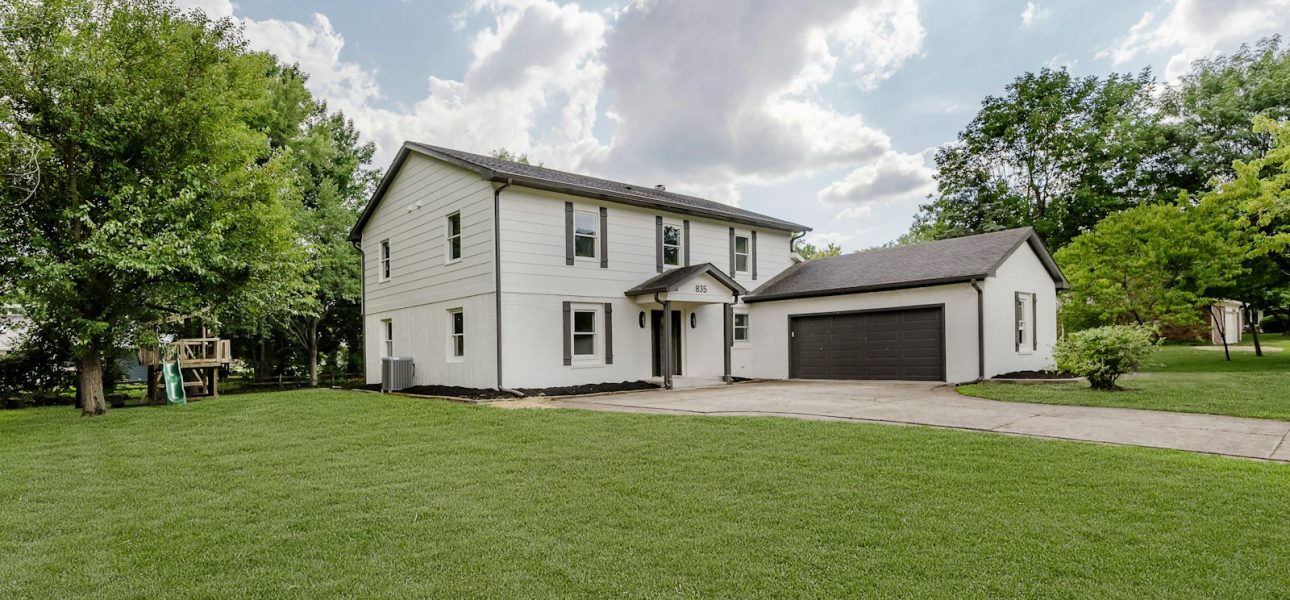
Quick answer: A Kentucky fix-and-flip loan is a short-term residential transition (RTL) loan that funds the purchase and rehab of an investment property, with the rehab money released in draws as work is completed. Kentucky investors in Louisville, Lexington and Northern Kentucky use RTL capital to move quickly on both retail listings and court-supervised judicial sales, then exit by resale or by refinancing into a long-term rental loan.
Key takeaways
- Kentucky is a judicial-foreclosure state, so many distressed purchases run through a court-supervised sale handled by a master commissioner, and your financing timeline needs to match that process.
- Rehab funds on an RTL are typically released in draws against completed work, so a clear scope of work and a realistic schedule matter as much as the purchase price.
- Louisville, Lexington and Northern Kentucky behave like different markets; underwrite each one on its own comps, permitting path and buyer pool.
- A flip that does not sell can pivot to a rental hold, which makes it worth planning a DSCR refinance exit before you close the bridge.
What is a fix-and-flip (RTL) loan in Kentucky?
A fix-and-flip loan, also called a residential transition loan or RTL, is business-purpose financing for an investor who plans to buy a one-to-four unit property, renovate it, and then sell or refinance it. It is not owner-occupied financing. The borrower is typically an LLC, and the lender looks closely at the asset, the scope of work, and the sponsor’s experience.
Bancaverse is a private credit platform and brokerage. We arrange these loans with private capital partners; we do not lend from our own balance sheet, and we do not quote rates or pricing in articles like this one. What we can do is explain how the structure works so you can walk into a conversation prepared.
In practice an RTL has two moving parts: the purchase funding at closing and a rehab holdback that is released after work is completed and inspected. If you have not seen a worksheet laid out end to end, our hard money loan example for a fix-and-flip walks through the cash flow of a typical deal.
How do Kentucky judicial sales work for investors?
Kentucky foreclosures are judicial, meaning the lender must go through the court system rather than a private power-of-sale process (see reference 1). After a judgment, the property is sold at a court-ordered sale that a master commissioner administers. Master commissioners are court-appointed officials, and the county where the property sits matters because each county runs its own sale calendar.
For an investor this changes the financing question. You may need to demonstrate funds on a defined timeline, bid at a scheduled sale, and then close within the window the court order and sale terms allow. A lender that can issue a clear commitment early, and that is comfortable with a purchase out of a judicial sale, gives you a real edge over buyers who must wait on a bank’s committee.
One Kentucky-specific rule worth raising with your attorney: reference 1 notes that when a property sells for less than two-thirds of its appraised value, the redemption period is six months after the sale (citing KRS 426.530). That can affect how soon you can count on a clean exit, so confirm the current statute and the terms of your specific sale with Kentucky counsel before you bid. Nothing here is legal advice.
How do rehab draws work on a Kentucky RTL?
Draws are where good projects stay on schedule. Instead of handing you the whole rehab budget on day one, the lender holds it back and releases funds as milestones are completed, usually after an inspection or photo verification. The more specific your scope of work, the smoother the draws.
A draw-ready Kentucky budget usually includes the following:
- A line-item scope of work with materials and labor separated, so each draw request maps to finished work.
- A contractor bid on letterhead with the contractor’s license or registration where the local jurisdiction requires it, plus proof of insurance.
- A permit plan, because permits are issued locally by the building department in Louisville Metro, the Lexington-Fayette Urban County Government, or the city or county in Northern Kentucky.
- A contingency line for surprises such as old plumbing, foundation repairs or hidden water damage in older housing stock.
Draw timing also affects your carrying costs. Our guide on how rehab draws work in Georgia applies equally well in Kentucky: submit requests as soon as a milestone is complete, and keep photos and invoices organized so inspections do not become the bottleneck.
Louisville, Lexington or Northern Kentucky: where do the flips pencil?
Kentucky’s three main investor corridors reward different strategies, and a smart sponsor underwrites each on its own evidence rather than a statewide average.
Louisville (Jefferson County). Louisville offers the deepest pool of older single-family and small multifamily stock, with many neighborhoods where a full-gut rehab can transform a property. The trade-off is that comps can change block by block, so lean on recent sold data rather than listing prices and have your appraisal expectations vetted early.
Lexington (Fayette County). Lexington is anchored by the University of Kentucky and a steady employment base, which supports both owner-occupant resale buyers and renters. Investors often target mid-century homes near campus and established neighborhoods, where updated finishes help a flip stand out.
Northern Kentucky (Boone, Kenton and Campbell counties). These counties sit across the Ohio River from Cincinnati, so buyers often cross-shop Kentucky and Ohio inventory. That cross-border demand can help resale timelines, and it is why our Ohio coverage on SFR and fix-and-flip investing in Ohio is useful reading for Northern Kentucky sponsors.
| Market | Counties | Typical flip profile | Planning focus |
|---|---|---|---|
| Louisville | Jefferson | Older single-family and small multifamily, full-gut rehabs | Block-level comps, permit timing, contractor capacity |
| Lexington | Fayette | Mid-century homes, finishes-driven updates near campus and established neighborhoods | Owner-occupant resale appeal, rental fallback |
| Northern Kentucky | Boone, Kenton, Campbell | Starter and move-up homes, Cincinnati-commuter buyers | Cross-river buyer pool, resale speed |
Have a Kentucky purchase with a sale date coming up? Send us the property, the scope of work and your timeline, and we will tell you how an RTL could be structured around it. Schedule a call or Apply.
What should you underwrite before you bid?
The projects that go sideways tend to share the same early mistakes. Before you commit to a Kentucky flip, pressure-test four things.
First, the after-repair value. Use recent sold comps within a tight radius and a conservative finish level, and do not assume your rehab will outperform the neighborhood. Second, the scope of work. A rehab budget built from a walk-through in a hurry is the most common source of overruns, so get a contractor inside the property before you close if the sale terms permit.
Third, title and possession. Judicial-sale purchases carry their own title and possession steps, and a title company or attorney familiar with Kentucky sales should review them before closing. Fourth, the calendar. Every month of delay adds carrying costs, so build the schedule backward from your target sale date and add a buffer for permits and weather.
If a project runs long, you have options. Our overview of hard money loan extension options before maturity explains what to raise with a lender early, before a deadline becomes a problem.
What is the exit: sell, or refinance into a rental?
Every RTL needs two exits on paper: the primary and the backup. Selling is the obvious primary exit, but a market that cools or a property that appraises light can make a rental refinance the smarter move.
A rental refinance typically replaces the bridge loan with a long-term DSCR loan, which qualifies the property on its rental income rather than the borrower’s personal income. If you already know a deal could work as a rental, line up that path before you close the purchase. Our guide to DSCR loans for Louisville and Lexington buy-and-hold investors covers how that refinance exit is evaluated, and how to choose a DSCR lender lists the questions to ask before you commit.
What documents will a Kentucky RTL lender ask for?
Having a clean package ready shortens the path from term sheet to closing. Expect to provide an entity operating agreement and good-standing information, a purchase contract or the sale notice, the scope of work and budget, evidence of liquidity, and a track record summary if you have flipped before. First-time flippers can still be considered, and a strong contractor and a conservative budget help offset limited experience.
Remember that closings in Kentucky involve local attorneys and title professionals, so bring them in early. A lender and a closing attorney who communicate well will save you days.
Frequently asked questions
Do I need to own an LLC to get a fix-and-flip loan in Kentucky?
Most business-purpose RTL lenders prefer or require that the borrower be an entity such as an LLC, and many also ask for a personal guaranty. Ask your attorney or accountant about the right structure before you close.
Can I use an RTL to buy at a Kentucky master commissioner sale?
It can be possible, but timing is the key. The lender needs to be comfortable with a purchase out of a judicial sale and able to fund inside the closing window set by the sale terms, so raise the sale date with your loan advisor at the start.
How are rehab funds released?
Rehab funds are usually held back and released in draws after completed work is verified, often by inspection or photos. A detailed scope of work and invoices make draws faster.
What happens if my flip does not sell on time?
You can ask the lender about an extension, sell at an adjusted price, or refinance into a long-term rental loan if the property qualifies. Planning those paths before closing gives you more leverage than scrambling at maturity.
Does Bancaverse lend its own money?
No. Bancaverse is a brokerage and private credit platform that arranges loans with private capital partners. We do not lend from our own balance sheet, and we do not guarantee approval or terms.
Which Kentucky markets should a new flipper start in?
Start where you can verify comps and have a reliable contractor bench. Louisville, Lexington and Northern Kentucky each work, but a tight, well-understood territory beats a wide, unfamiliar one.
Bancaverse can help you get private capital for your residential real estate project.
References
- Nolo, Kentucky Foreclosure Laws and Procedures (judicial process, commissioner-administered sale, six-month redemption rule for sales below two-thirds of appraised value, citing KRS 426.530). Consumer summary; confirm against current statute and with Kentucky counsel.
This article is educational, not legal, tax or investment advice. Bancaverse arranges business-purpose loans through third-party private capital partners and does not guarantee approval, terms or outcomes.