DSCR Loan Houston: Investment Property Financing for Rentals and Flips
Houston is one of the biggest rental markets in Texas and one of the best rent-to-price markets in our whole footprint. It ranks #19 of 96 US metros for hard money searches.
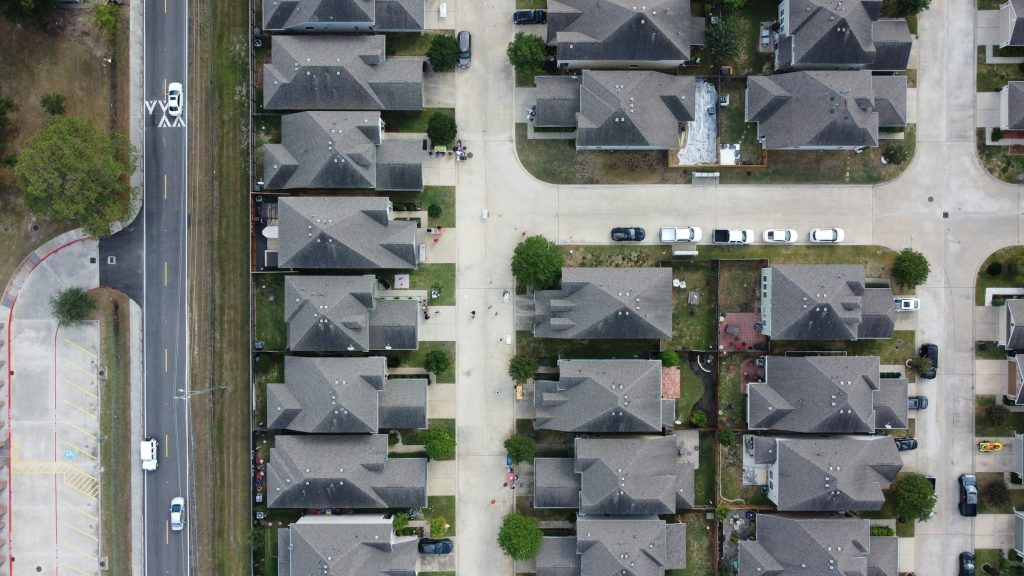
Houston is one of the biggest rental markets in Texas and one of the best rent-to-price markets in our whole footprint. It ranks #19 of 96 US metros for hard money searches.

A Kentucky-specific guide to residential transition (fix-and-flip) loans: how rehab draws are released, what Louisville and Lexington lenders underwrite, why KRS 426.530’s redemption right shapes terms, and how to line up a resale or DSCR refinance exit before the first draw.

After-repair value (ARV) is the estimated market value of a property once all planned renovations are finished. It is the single most important number a fix-and-flip or rehab lender looks at. Get it right, and you size your deal correctly. Get it wrong, and you either overpay or run short on funding. Bancaverse is a […]

Quick answer: A business-purpose investment loan can close in about 10 days when the file is clean: property identified, title ordered early, valuation in motion, entity docs and insurance ready, and a clear exit. Because private lenders underwrite the deal rather than your tax returns, the timeline hinges on documentation and responsiveness — not personal […]

Quick answer: A bank is cheaper but slow and strict — it underwrites you (income, DTI, tax returns) and can take weeks. A private lender underwrites the deal (property cash flow, equity, exit), funds in days, and finances properties banks won’t — at a higher rate. For investment property, speed and approval certainty usually beat […]
The difference between a hard money loan, a bridge loan, and a DSCR loan comes down to purpose and term, not just rate. Framing the hard money vs bridge vs DSCR choice this way keeps you from overpaying for capital. Hard money is the fastest, shortest, highest-cost capital for distressed or heavy-rehab deals. A bridge […]

A private real estate lender is a non-bank source of capital that funds real estate investors based on the deal and the asset, not on the borrower’s W-2 income. Where a bank underwrites your personal paycheck and tax returns, a private lender underwrites the property’s value, the business plan, and the exit. That is why […]
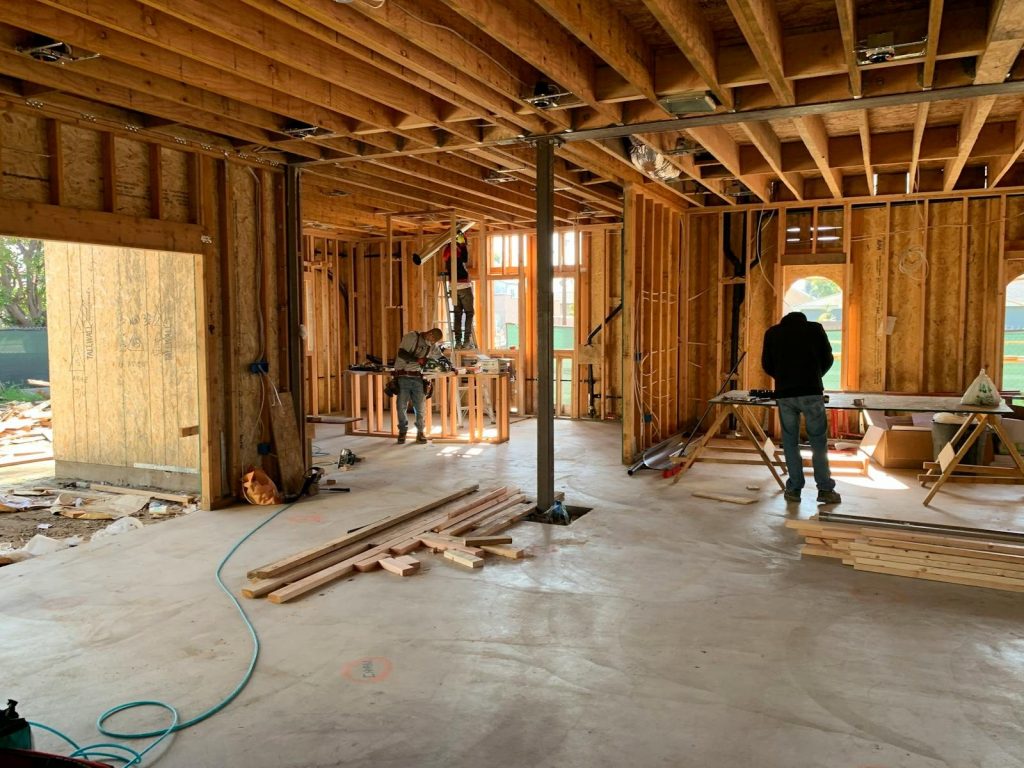
Construction lending is the most scrutinized loan product in private real estate finance, and for reasons that make complete sense once you understand the lender’s perspective. Every other real estate loan type is underwritten against an existing asset: a property that can be inspected, appraised, photographed, and analyzed based on what it is right now. Construction lending is underwriting against a plan. The collateral does not yet exist

The story we are about to tell is real. Names have been changed and the property address has been omitted, but every detail of the timeline, the deal structure, the challenges encountered, and the solutions applied is accurate. We are telling this story not because it was exceptionally complicated or because it required some unusual stroke of luck.

Texas is the most active fix-and-flip market in the country. Dallas, Houston, San Antonio, Austin — all four metros have active private lenders, strong ARV support, and high deal velocity. But Texas also has lender-specific criteria that trip up borrowers who assume the same rules apply everywhere.