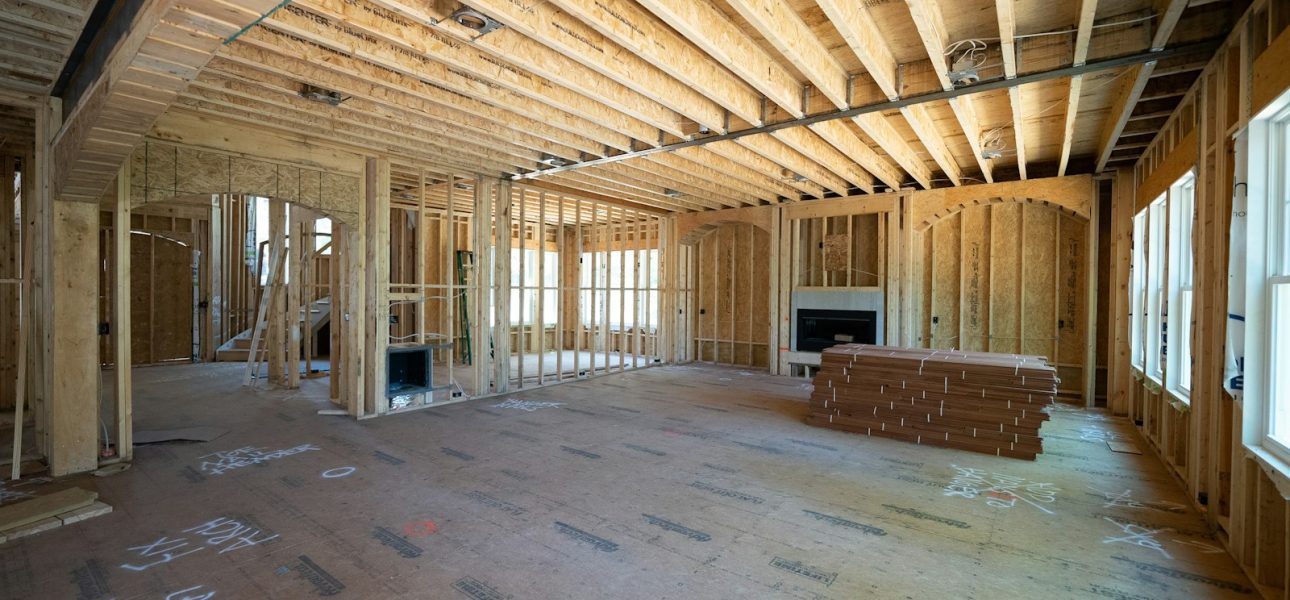
Quick answer: A Tennessee fix-and-flip loan is underwritten on the purchase price, the renovation budget and the after-repair value, and lenders look closely at who is doing the work, how the scope is written and how draws will be released. Flippers who present a licensed contractor, a line-item scope of work and a realistic draw schedule give a capital partner far more confidence to fund.
Key takeaways
- Tennessee generally requires a state contractor license for construction work whose total cost reaches $25,000 or more, so the contractor on a larger rehab should hold the right license.
- Owner exemptions in Tennessee law are narrow and generally do not cover property built for resale or rent, so do not assume a flipper can act as an unlicensed general contractor on a big job.
- A line-item scope of work, not a lump-sum estimate, is what lets a lender size the rehab holdback and verify progress at each draw.
- Nashville, Knoxville and Clarksville each reward different strategies, so the exit plan and the comparable sales should be local and specific.
Why do Tennessee flippers need a different plan for each metro?
Tennessee is one of the state’s we favor for investor lending because it combines population in-migration, a landlord-friendly business climate and several distinct housing markets. Nashville and Davidson County is the most expensive and most competitive, with a wide spread between a gut rehab in an older neighborhood and a cosmetic refresh in a newer one. Knoxville and Knox County offers a university-anchored buyer pool, older housing stock close to downtown and steady demand from relocating households. Clarksville and Montgomery County, near Fort Campbell, has a strong military and workforce housing base, which tends to favor mid-priced, move-in-ready homes.
A flipper who treats these three markets as interchangeable will usually end up with a weak after-repair-value estimate. Capital partners ask for recent comparable sales within a tight radius and a similar condition, and they pay attention to how long homes at the projected price actually take to sell. The more specific your analysis, the easier it is to arrange a loan sized to the plan.
Bancaverse is a private credit platform and brokerage. We arrange rehab and bridge financing from capital partners and we do not lend from our own balance sheet. Our role is to help you present the file so that the capital partner’s questions are answered before they are asked.
What does Tennessee’s contractor licensing law mean for a flip?
Under Tennessee law, a person who undertakes construction work for which the total cost is $25,000 or more is treated as a contractor and must be licensed by the state, as defined in Tenn. Code Ann. § 62-6-102. The licensing board publishes classifications and application information on the Tennessee Board for Licensing Contractors website.
There is an exemption for certain owners who build on their own property, but as written it applies to buildings constructed for individual use and not for resale, lease or rent, and it contains limits on repeated use, as set out in Tenn. Code Ann. § 62-6-103. A fix-and-flip is, by definition, work performed for resale, so a flipper should plan on hiring a properly licensed contractor for any substantial job. Smaller jobs, specialty trades and local permit rules have their own requirements, so confirm the details for your project with the licensing board, your city or county permit office and your attorney. This article is not legal advice.
Why does this matter to a lender? A licensed, insured contractor reduces execution risk. It also supports the inspection and draw process, because the lender can rely on a qualified party’s schedule of values. If a flipper plans to self-perform a large share of the work, expect the capital partner to ask how that squares with licensing, insurance and permit requirements, and to weigh the answer carefully.
For a broader view of how rehab lending works across several states, our pillar guide to SFR and RTL financing in Florida, Tennessee, Ohio and Georgia explains the typical structure of a purchase-plus-rehab loan.
How should you write a scope of work a lender can underwrite?
A scope of work is a line-by-line description of what will be done, what it will cost and in what order. It is the document that turns a vague plan into a fundable budget. A strong scope typically includes the following elements.
- Line items by trade: demolition, framing, roofing, windows, mechanical, electrical, plumbing, drywall, flooring, cabinets, fixtures, paint and exterior work, each with a quantity and a price.
- Contingency: a separate line for unforeseen conditions, especially in older Nashville and Knoxville homes where hidden problems are common.
- Permits and soft costs: permits, inspections, utilities, dumpsters and insurance, which are easy to forget and often cause budget shortfalls.
- Timeline: the expected duration of each phase, so draws can be scheduled and extensions anticipated.
- Contractor details: license, insurance and references, which let the lender confirm who is performing the work.
Most rehab loans hold the renovation funds in a reserve and release them in draws as work is completed and inspected. If you have never seen the numbers laid out, our hard money loan example worksheet walks through a fix-and-flip deal from purchase to payoff so you can see how the budget, interest and fees fit together.
How do draws work on a Tennessee rehab?
At closing, the capital partner funds the purchase, often with a portion of the rehab budget available, and places the remaining renovation funds in reserve. When a defined phase of work is finished, the borrower submits a draw request with photos, invoices and any lien waivers the lender requires. An inspector or the lender’s representative verifies the progress, and funds are released. The details vary by lender, so ask about the draw process before you commit.
A few habits make the process smoother. Keep your contractor’s payment schedule aligned with the draw schedule so that subcontractors are not waiting long between payments. Maintain a working cushion of your own cash for the gap between completing work and receiving the draw. Submit requests promptly and completely, because incomplete packages slow funding. Finally, document change orders in writing and tell the lender early, since a lender is far more flexible when an issue is raised before it becomes urgent.
Have a Tennessee flip under contract? Send us the contract, the scope of work and your comparable sales, and we will tell you how capital partners are likely to view the file. Schedule a call or start an application.
How do Nashville, Knoxville and Clarksville compare for flippers?
The table below summarizes the planning questions that tend to matter in each market. It is a framework for your own analysis and not a forecast for any property.
| Question | Nashville (Davidson) | Knoxville (Knox) | Clarksville (Montgomery) |
|---|---|---|---|
| Typical buyer | Move-up buyers, relocations and investors | University-linked households, relocations and first-time buyers | Military and workforce households |
| Common rehab profile | Older homes needing systems and layout updates; cosmetic refreshes in newer areas | Older housing near downtown and the university corridor; mixed condition elsewhere | Mid-priced homes where a clean, move-in-ready finish matters |
| Key underwriting focus | Quality of comparable sales and cost discipline | Neighborhood-level comps and scope realism | Absorption at the target price point |
| Exit options | Retail sale or hold as a rental | Retail sale or hold as a rental | Retail sale or hold as a rental |
What should your exit plan include?
A flip loan is repaid when the property sells or is refinanced, so the exit plan is as important as the rehab plan. Include a realistic marketing timeline, the listing price supported by comparable sales and a downside case if the property takes longer to sell than expected. In a market where inventory or buyer demand shifts, a flexible plan that includes a rental option can protect you from being forced to accept a distressed price.
Many investors plan to hold the finished property as a rental, using a DSCR loan to replace the short-term loan once the property is leased. Our guide to DSCR loan trends across Florida, Tennessee, Ohio, Georgia and Kentucky explains how that second loan is evaluated. If you are weighing a hold strategy specifically in Memphis or Chattanooga, see our Tennessee BRRRR and fix-and-flip investor guide.
What if the rehab runs long?
Delays happen, whether from permit queues, contractor availability, weather or unexpected structural findings. Review the loan’s maturity date and extension options before you close, and understand the cost and conditions of an extension. If the project is falling behind, talk to the lender early, because lenders are generally more willing to work with a borrower who communicates before the maturity date. Our article on fix-and-flip loan extension and default options lays out what to consider before the clock runs out.
What documents should a Tennessee flipper have ready?
A complete file typically includes the signed purchase contract, a detailed scope of work and budget, the contractor’s license and insurance, an after-repair-value analysis with comparable sales, an entity document set if you are borrowing through an LLC, a schedule of your real estate experience and proof of funds for the down payment and reserves. Having these items assembled before you apply shortens the review and signals that you run your projects professionally. Terms and availability vary by sponsor, property and capital partner.
Frequently asked questions
Do I need a licensed contractor to flip a house in Tennessee?
For construction work with a total cost of $25,000 or more, Tennessee generally requires the contractor to be licensed, and the owner exemption does not typically extend to property built for resale. Confirm your situation with the licensing board and an attorney.
How are rehab funds released?
Typically through draws. The lender holds renovation funds in reserve and releases them as work is completed and verified by inspection or documentation.
What does a lender want in a scope of work?
A line-item budget by trade, a contingency, permits and soft costs, a timeline and the contractor’s license and insurance information.
Can I keep the property as a rental after the rehab?
Many investors do. A longer-term DSCR or rental loan can replace the short-term loan once the property is leased and stabilized.
Can Bancaverse promise approval or specific terms?
No. Bancaverse arranges financing from capital partners, and terms depend on the property, the sponsor and the lender.
Does Bancaverse lend its own money?
No. Bancaverse is a private credit platform and brokerage that arranges financing from capital partners.
References
- Tennessee Code Annotated, Section 62-6-102, definitions (Justia)
- Tennessee Code Annotated, Section 62-6-103, license requirement and exemptions (Justia)
- Tennessee Department of Commerce and Insurance: Board for Licensing Contractors
This article is educational, not legal, tax or investment advice. Licensing and permit requirements are fact-specific and can change; confirm with the state board, your local permit office and an attorney. Terms and availability vary by project, sponsor and capital partner.
Bancaverse can help you get private capital for your residential real estate project.