Bancaverse

Self-storage facility

Self-Storage Financing: How Lenders Underwrite Storage Facilities

Quick answer: Self-storage lenders focus on occupancy and cash-flow durability. They look at physical and economic occupancy, the facility’s breakeven occupancy (often a low ~60–70%, which lenders like), expense ratios, revenue-management upside, and the local supply pipeline. Stabilized facilities finance like other commercial assets; lease-up and value-add deals use bridge structures. Bancaverse matches storage deals […]

Caregiver holding the hands of an elderly resident

Assisted Living & Senior Housing Financing: EBITDAR, Census & Operator Risk

Quick answer: Senior housing and assisted living are operating businesses as much as real estate, so lenders underwrite the operator and the cash flow. Key metrics: EBITDAR (earnings before interest, taxes, depreciation, amortization, and rent), census/occupancy, lease or debt coverage, the operator’s track record, acuity and payor mix, and regulatory standing. Leverage is conservative and […]

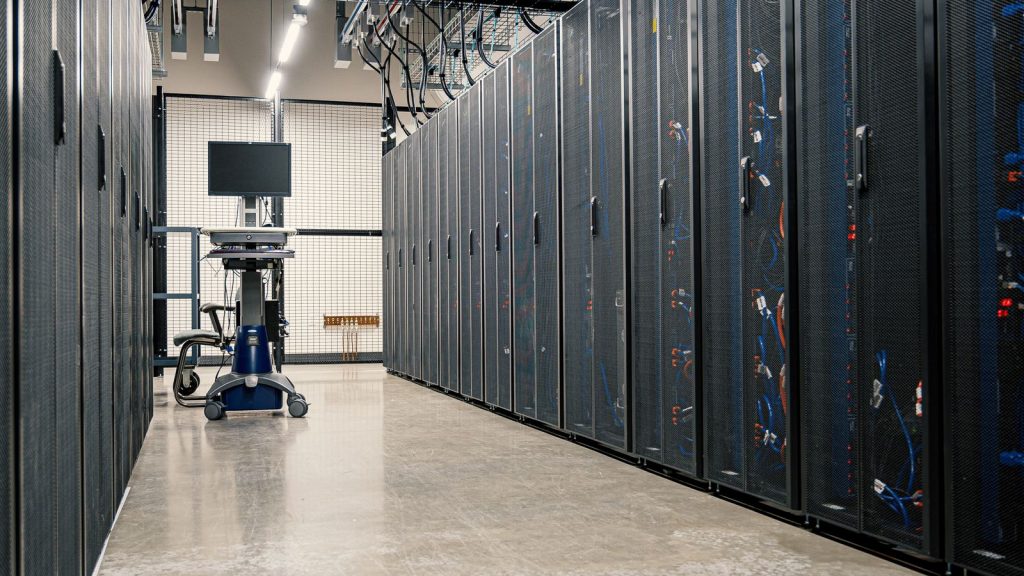
Data center server room

Data Center Conversion Financing: Funding Industrial-to-Data-Center Repositioning

Quick answer: Data-center financing is driven by power and tenant credit more than square footage. Lenders weigh secured power capacity (megawatts) and grid access, the credit and lease term of tenants (often hyperscalers), efficiency (PUE), and build/conversion cost versus stabilized value. Long-lease, credit-tenant facilities command strong terms; speculative conversions use bridge/construction structures. Bancaverse matches data-center […]

Modern industrial building for adaptive reuse

Adaptive Reuse Financing: Funding Property Conversions and Change-of-Use Deals

Adaptive reuse financing funds the conversion of a building from one use to another — office to residential, hotel to multifamily, retail to medical or industrial, warehouse to last-mile or data center. These change-of-use repositioning plays create outsized value but carry entitlement, construction, and lease-up risk, so they are financed by private-credit funds, family offices, […]

Modern upscale office building

Family Office & Private Credit Financing for Commercial Real Estate

Private credit real estate financing — capital from family offices, private debt funds, and specialty balance-sheet lenders — has become the primary source of funding for complex commercial deals that banks no longer serve. As regulated lenders pulled back, private credit stepped in with speed, flexibility, and an appetite for the transitional, value-add, and special-situation […]

Modern commercial high-rise building

Commercial Real Estate Loans Explained: Types, Terms & Underwriting (2026)

Quick answer: Commercial real estate loans are underwritten on the asset’s income and the sponsor’s plan, not personal income. The core levers across every property type: net operating income (NOI) and debt-service coverage (DSCR), loan-to-value and debt yield, the lease profile (tenant credit and term), and a credible exit. Terms vary widely by class — […]

Modern glass mixed-use building

Mixed-Use Property Loans: How Lenders Underwrite Blended Assets

Quick answer: Mixed-use lenders underwrite each component, then blend. They separate the residential and commercial NOI, weight the more stable income more heavily, and watch the commercial vacancy and tenant quality that drive risk. The residential share, the commercial use type, and the market determine which lenders fit and at what leverage. Bancaverse matches mixed-use […]

Illustration for Bancaverse for Lenders

Retail & Shopping Center Financing: How Lenders Underwrite

Quick answer: Retail lenders underwrite the tenancy, not just the building. The metrics that matter: the anchor tenant and co-tenancy (does losing the anchor trigger other leases to break?), tenant sales per square foot and occupancy-cost ratio (rent ÷ tenant sales — low is healthy), tenant credit and weighted-average lease term (WALT), and the center’s […]