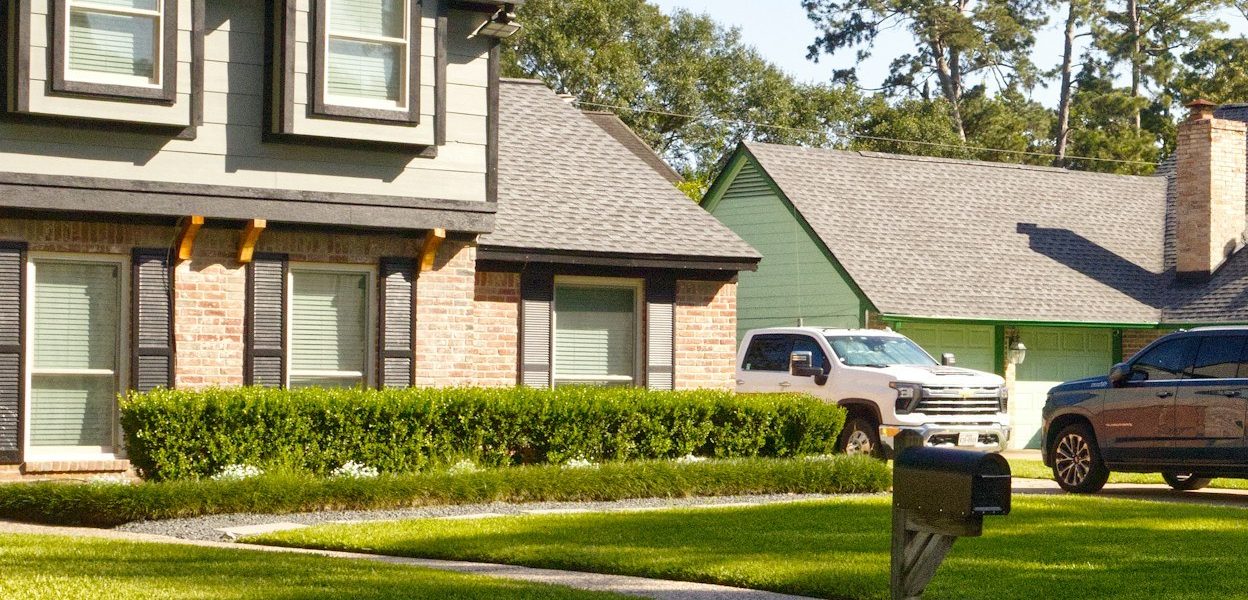
Quick answer: if you tried to sell your house in Houston, it didn’t move, and you’re now thinking about renting it, you’re an accidental landlord Houston has plenty of company for. The choice comes down to three questions: can the house carry itself as a rental, do you need the cash from a sale, and does your current mortgage allow what you’re planning? If the rent covers the carrying costs and you can wait, renting and later refinancing into a business purpose rental loan is a real option. If it doesn’t, selling or fixing the numbers first usually makes more sense.
That’s the short version. The rest of this guide walks through how to tell which side you’re on, what changes when a house stops being your home and becomes an investment, and how financing works for an accidental landlord Houston owners are dealing with right now.
What does accidental landlord Houston mean, and why is the city leading the pack?
An accidental landlord is someone who listed a home for sale, didn’t get the price they wanted, pulled the listing, and rented the place out instead. Zillow defines it pretty specifically: a home that sat on the market for at least two weeks without selling, got delisted, and then showed up as a rental listing within three months. (Zillow Research)
The accidental landlord Houston story has become the national poster child. A CRE Daily report published October 9, 2026, citing a Houston Chronicle analysis of Zillow data, says 4.3% of Houston single-family rental listings come from owners who abandoned a sale in the prior three months. That’s roughly three times the share from three years ago, and more than double the national figure of 2.0%. Houston ranks first in the country on that measure, ahead of Denver and Austin. (CRE Daily)
A Zillow economist quoted in that coverage also said the number probably understates things, because some owners never bother listing. They skip the sale attempt and go straight to renting.
So if you’re reading this because your listing expired last month and you don’t know what to do next, you’re a textbook accidental landlord Houston case, and you’re not an outlier. You’re pretty much the median Houston seller right now.
Why is the accidental landlord Houston trend so big?
Mostly it’s a gap between what owners want and what buyers will pay. Prices ran up, owners got used to a number, and then buyers pushed back. Inventory piled up too. The Houston Association of Realtors reported a record number of single-family homes for sale this summer, according to the CRE Daily piece. When there are that many houses to choose from, yours has to be the best deal on the street to move quickly.
Other things push people toward renting instead of selling:
- The cost of selling. Agent commissions, closing costs and repairs add up. One Houston-area agent quoted in the coverage said a client would have owed a five-figure amount at closing and decided to rent instead.
- A mortgage you don’t want to give up. Plenty of owners locked in their loan a few years ago. Giving it up to buy something else is a hard trade, so they hold the old house and rent it.
- Time. Zillow’s economist described renting as a way to buy time rather than compete on price. Wait a year, see what the market does, collect rent meanwhile.
Notice what’s missing from that list: nobody says “I always wanted to be a landlord.” That’s what separates an accidental landlord Houston owner from a planned investor. The decisions get made fast, and the paperwork gets sorted out later. This guide is about doing the paperwork part before it bites you.
Should you keep the house, rent it, or sell it?
Three honest options, and each one fits a different kind of owner.
When selling is still the better call
If you’re the accidental landlord Houston sellers keep asking about, sell if you need the equity for something specific, like buying your next place, paying off other debt, or funding a deal. Sell if the house needs a pile of work you can’t afford, or if the rent it could earn wouldn’t cover what it costs you to hold it. And sell if you already know you hate the idea of fielding repair texts at 10 at night.
When keeping it as your home makes sense
Sometimes the answer is just to stay put. If you were selling because of a move that fell through, or because you thought you wanted a different neighborhood, staying isn’t a failure. Your mortgage stays the same, there’s no landlord paperwork, and you can try to sell again next spring.
When renting it out is the right move
Rent it if the house can pay for itself, you can afford a bad month or two, and you’re fine being in the rental business for at least a couple of years. That last part matters. A rental you plan to dump the minute the market improves still needs a lease, a reserve account and insurance that actually covers tenants.
For most accidental landlord Houston owners, the real question is the middle one: rent it, and if so, how to finance and structure it so it doesn’t drain you.
How do you know if your Houston house will actually pay for itself as a rental?
Run the numbers before you hand anyone a key. Here’s the simple version. Write down what the house would rent for, then subtract everything it costs you to own it:
- Your current mortgage payment (principal and interest)
- Property taxes. In Texas these are a big line item and they don’t care that you’re renting now.
- Landlord insurance, which is usually priced differently than the homeowner policy you have today
- HOA dues, if there’s an association
- Repairs and maintenance, a number you should set aside every month even when nothing is broken
- Vacancy, meaning the weeks the house sits empty between tenants
- Property management, if you’re hiring someone
If what’s left over is positive, you have cash flow. If it’s negative, you’re subsidizing a tenant, which is sometimes fine for a short stretch and a bad idea for years.
The Bancaverse™ DSCR loan calculator guide shows how rental income is compared to the property’s debt costs, which is the same math a business purpose rental loan uses.
What rent can you realistically count on?
Be conservative. The CRE Daily article reports an average Houston single-family rent of $2,054, basically unchanged from last year, with growth cooling since 2023. It also reports that a home that used to lease in under a month during the pandemic can now take up to two months. If your numbers only work with a perfect tenant moving in next week, they don’t work. (CRE Daily)
For context, the Census Bureau’s QuickFacts page for Houston shows a median gross rent of $1,361 and an owner-occupied housing rate of 42.1% for 2020 to 2024, which tells you how big the renter pool in this city really is. (U.S. Census Bureau) Lots of renters is good for demand. It also means lots of competition from other landlords, including all the other accidental ones.
Why the competition matters more than you think
Supply is up too. The same report says leasable single-family, townhome and condo listings rose about 80% over three years, to roughly 16,660 in September, per John Burns Research, and that doesn’t include build-to-rent communities. That’s a lot of houses chasing the same tenants. In some pockets, like parts of the East End, one analyst found about 20 similar townhome rentals within a quarter mile of each other.
The practical takeaway: price the rent to the neighborhood, not to what you wish you could get. A house that rents in three weeks at a fair number beats one that sits for three months at an ambitious one.
What changes legally and financially when your home becomes a rental?
This is the part that catches people, and it’s worth slowing down on. We’re not lawyers or tax pros, so use this as a checklist of things to ask yours.
Your current mortgage
Most home loans for a primary residence come with an occupancy promise, meaning you said you’d live there. Check your loan documents and talk to your servicer before you rent the place out. Some owners handle a move-out by waiting a period before leasing, some don’t. The rules depend on your specific loan, so don’t guess.
Insurance
A homeowner policy and a landlord policy aren’t the same thing. If you rent the house with the wrong policy and something goes wrong, you can end up with a denied claim. Call your agent and say the sentence out loud: “I’m going to rent this house to a tenant.” Houston owners should also take a hard look at flood coverage and the flood zone for the property, because a standard policy typically doesn’t cover flood damage. FEMA’s flood map service and Harris County’s flood resources are the places to check your address.
Deed restrictions and HOAs
Houston is famous for not having traditional zoning, but that doesn’t mean anything goes. Deed restrictions and homeowners associations can limit rentals, require approval, cap lease terms or ban short-term stays entirely. Read yours before you list.
Taxes
Rental income is taxable, and you may also lose or change tax treatment you had as a homeowner. There’s also a wrinkle for owners who planned to sell: how long you lived in the home versus rented it can affect the tax result of a later sale. A CPA who works with landlords is worth an hour of your time here.
Lease and tenant basics
Use a written lease that fits Texas law, screen tenants consistently, and keep records of deposits and repairs. Many accidental landlord Houston owners hire a property manager for the first year just to learn how it works.
How does financing work for an accidental landlord Houston owners can actually use?
Here’s where the product side comes in. Once the house is a rental and you’re running it like a business, there are loan types built for exactly that, called business purpose loans. They look at the property and the investment, not your pay stubs.
Bancaverse™ is a private credit platform and brokerage for business purpose mortgage lending. Nothing here is a loan offer, and every deal gets reviewed on its own facts.
What is a DSCR loan, in plain English?
DSCR stands for debt service coverage ratio. It compares the rent a property earns to its debt costs. If the rent comfortably covers the debt, the property can often qualify based on its own income instead of your personal income. That’s why DSCR loans are popular with landlords, self-employed owners and anyone who owns several properties. Our guide to the first-time DSCR loan covers the basics step by step, and our DSCR loan Houston guide covers taxes, flood risk and flips across the Houston area.
Terms, pricing and approval vary by deal, so this article doesn’t quote numbers. What it can tell you is what the file usually needs: a signed lease or market rent evidence, the property’s insurance and tax costs, entity or ownership documents, and proof you have cash reserves.
Can you refinance a house you used to live in?
Often, yes, once it’s genuinely a rental. You’re no longer living there, and the property is leased or ready to lease. A business purpose rental refinance can replace your old home loan, and in some cases pull equity out for your next purchase. If you’re curious about that second use, read our piece on the DSCR cash-out refinance for Texas rental investors.
A few things rental loan programs generally ask to see: that the property is non-owner-occupied, a lease or a market rent opinion, and a property that’s in rentable condition. Some programs want the loan to have a minimum amount of time on it or the property to have a minimum time as a rental, which is called seasoning. Ask about it up front.
What if the house needs work before anyone will rent it?
Plenty of Houston sellers discovered their house didn’t sell because it needed updates, and buyers wanted a discount. If the same is true for you, the plan can be fix first, rent second. A short-term rehab loan can fund the work and a rental loan can replace it once the house is leased. Our fix-and-flip worksheet walks through how a rehab budget gets organized, and the exit is a rental refinance instead of a sale.
What about the existing mortgage you love?
If you have a mortgage you like and can keep it in compliance with its terms, keeping it and renting the house might beat refinancing. Don’t refinance just because the option exists. Refinance when it solves something: you want cash, you want the house out of your personal name, you want to stop being on the hook personally, or your old loan doesn’t allow what you’re doing.
What does a smart game plan look like for the next 90 days?
If you’re staring at an unsold house right now, here’s a sequence that works for most owners. Adjust it to your situation.
- Decide your real goal. Cash out, hold for appreciation, or just stop the bleeding. The goal picks the path.
- Run the rental numbers with conservative rent and honest costs, using the list above.
- Read your mortgage paperwork and call your servicer about renting.
- Call your insurance agent and switch to the right policy before a tenant moves in.
- Check deed restrictions and the HOA for rental rules.
- Get a rent opinion from a local property manager or agent, and price to the neighborhood.
- Talk to a tax pro about how rental income and a future sale would be treated.
- Then look at financing, if a refinance or a cash-out would help the plan.
Order matters. Plenty of people get excited about a refinance and skip steps three through five, then run into a problem with the old loan or the HOA after the tenant is already in the house.
What mistakes do accidental landlord Houston owners make most often?
These come up again and again in landlord forums, agent roundtables and honestly in plain conversation with owners. None of them is fatal if you catch them early.
- Pricing the rent off the old sale price. The sale price is how much you wanted. The rent is how much a tenant will pay. They’re related, but they’re not the same thing.
- Forgetting about reserves. One roof leak or one air conditioner failure in a Houston summer can wipe out months of profit. Keep a cushion.
- Treating the tenant like a friend. Being friendly is great. Skipping the screening and the written lease isn’t.
- Ignoring the long-term plan. “Just for a year” has a way of turning into five. Decide up front what your exit looks like.
- Waiting too long to figure out financing. If a rental refinance is part of the plan, it’s easier to start while the lease is fresh and the paperwork is organized.
- Mixing personal and rental money. Open a separate account for the property on day one. Your CPA will thank you.
Is Houston still a good place to be a landlord?
Yes, with eyes open, and being an accidental landlord Houston style isn’t a bad deal if you price it right. Houston is a huge, diverse metro with a large renter population, and demand for housing isn’t going away. But the supply picture is competitive right now, rents have been flat, and leasing takes longer than it did a few years ago, according to the coverage cited above. The investors and owners who do well are the ones who price realistically, keep the house in good shape and treat the thing like a small business instead of a favor.
If the accidental part wears off and you decide you like this, that’s when a bigger plan comes into view. Some owners buy a second rental. Some use a rental loan to take equity out and put it toward a fix-and-flip. Plenty just hold one house and call it a day. All of those are fine.
Accidental landlord Houston FAQ
What does accidental landlord Houston mean?
It’s an owner who listed a home for sale, didn’t sell it, and rented it out instead. Zillow tracks it as a home that was delisted and then listed for rent within three months. Reports published this fall put Houston at the top of the national list for this trend.
Can I rent out my house if I still have a regular home mortgage?
Maybe, but check first. Many home loans assume you live in the property, and renting it out can break that promise. Read your loan documents and ask your servicer before you sign a lease.
Do I need a different insurance policy when I rent my Houston house?
Usually yes. A landlord policy is built for tenants and rental risk, which a standard homeowner policy often isn’t. Ask your agent about flood coverage too, since flood damage isn’t typically included in a regular policy.
Can I refinance a house I used to live in into a rental loan?
In many cases, yes, once the property is a true non-owner-occupied rental with a lease or market rent support. Rules vary by program, so ask about seasoning, documentation and reserves before you apply.
What is a DSCR loan, and is it right for an accidental landlord?
It’s a business purpose loan that looks at whether the property’s rent covers its debt costs, rather than relying mostly on your personal income. It can be a fit if the house is rented or ready to rent and you want to hold it as an investment.
Should I sell instead of renting?
Sell if you need the cash, if the house can’t cover its own costs as a rental, or if you don’t want the job of being a landlord. Rent if the numbers work and you can wait. Neither answer is wrong, it depends on your situation.
What does Bancaverse™ do for rental owners?
Bancaverse™ is a private credit platform and brokerage for business purpose mortgage lending. You tell us about the property and your plan, and we walk you through the business purpose loan options that could fit. Nothing in this article is an offer of credit, and we don’t charge upfront fees.
Want a second set of eyes on your accidental landlord Houston plan?
If you’re deciding between selling, renting and refinancing, talk it through with someone who looks at these files every day.
- Book a call with Bancaverse™ to walk through your numbers.
- Start your application if you already have a lease or a rent opinion in hand.
Related reading: how a real estate investment loan closes in about ten days, and our guide to the DSCR cash-out refinance in Texas.
Bancaverse™ is a private credit platform and brokerage for business purpose mortgage lending. This article is general information, not legal, tax or financial advice, and not an offer of credit. Business purpose loans are not available for owner-occupied homes. Talk to your own attorney, CPA and insurance agent about your situation.