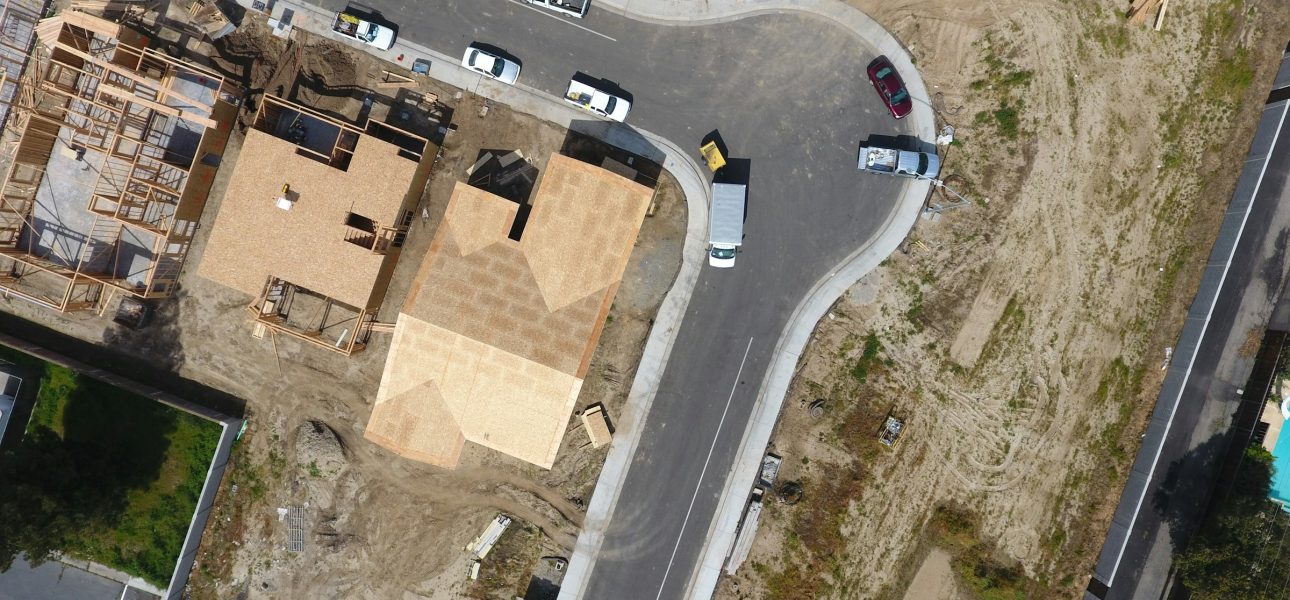
Quick answer: Horizontal development financing funds the work that turns raw land into finished lots: entitlements, roads, utilities, grading and drainage, before any houses are built. In Middle Tennessee, a successful lot-development loan depends on a clear takedown plan with builders, a realistic infrastructure budget and an exit that does not rely on everything selling at once.
Key takeaways
- Horizontal development is the infrastructure phase; vertical construction is the homebuilding phase that follows. They use different loans and different risk profiles.
- The Federal Reserve’s July 2026 survey found banks reporting standards for construction and land development loans unchanged on net, with a significant share saying standards remain at the tighter end of their range, which is why alternative capital is a real option for developers.
- Greater Nashville Realtors expects inventory to keep rising in 2026, which can mean more selective buyers, so lot absorption assumptions deserve a margin of safety.
- Pre-negotiated builder takedown contracts and phased development reduce exposure and strengthen the financing request.
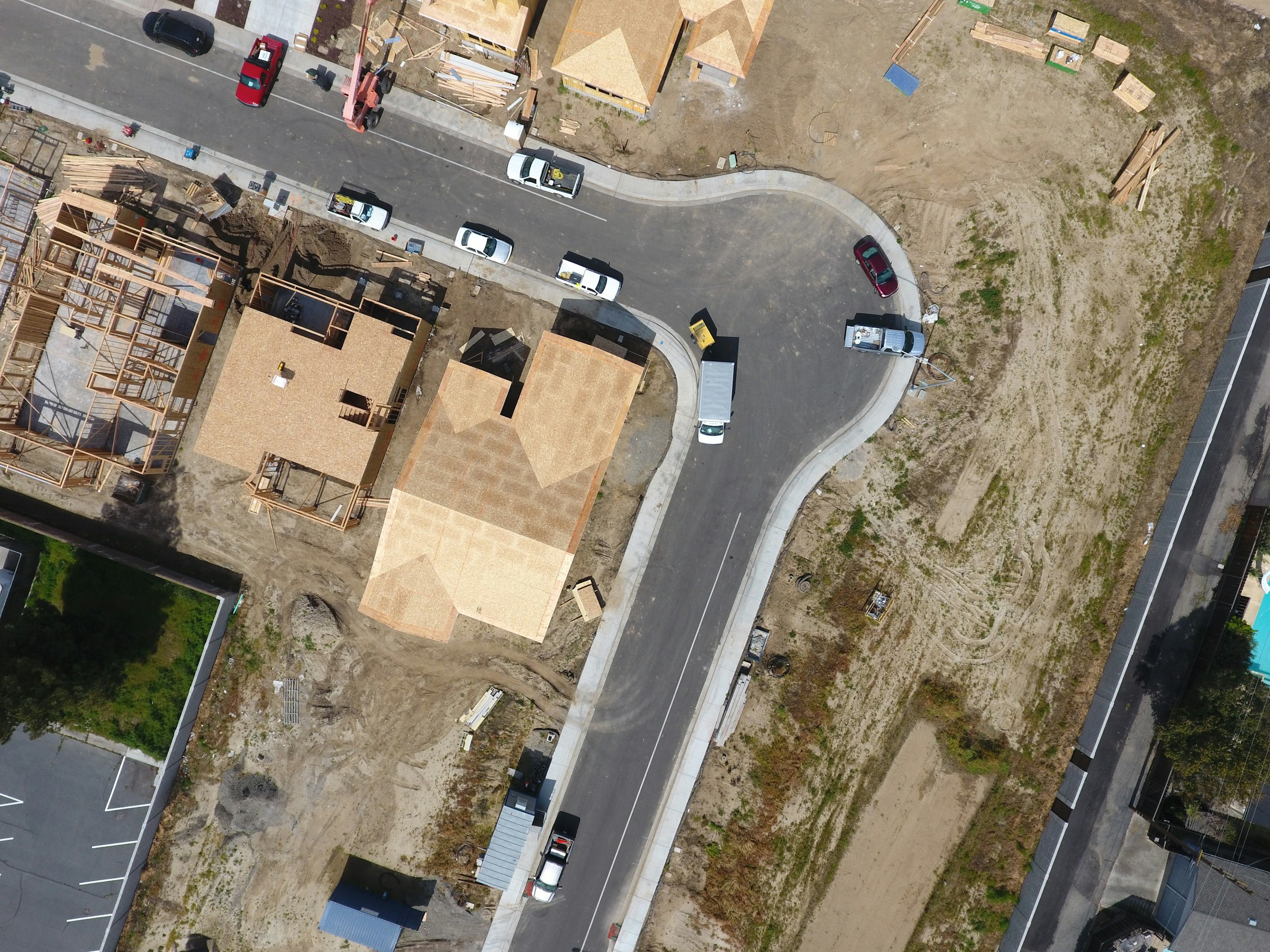
Middle Tennessee’s growth has created demand for finished lots, but lots do not appear on their own. Someone has to buy the land, secure approvals, install the roads and utilities and deliver lots to builders, often years before the homes are sold. That work is capital-intensive and carries risks that differ from building a house. This guide explains how horizontal development financing works, what lenders look at, and how to structure a project in markets such as Murfreesboro, Clarksville and the Nashville–Chattanooga corridor.
What is horizontal development, and how is it financed?
Horizontal development means improving land so it can host buildings. That includes clearing and grading, stormwater and detention, sewer and water lines, roads, curbs, electrical and communications infrastructure, and the platting process that creates individual lots. Once the lots are finished, they are sold or leased to homebuilders, who then handle vertical construction.
Financing generally comes in stages. An acquisition loan or equity purchases the land. A development loan, often structured with a budget and draw schedule, pays for infrastructure and improvements. As lots are sold to builders or released into the next phase, loan proceeds are repaid, sometimes through partial releases tied to a set payoff per lot. If you are exploring the next phase after lots are done, our spec home construction loan guide for builders explains how vertical construction financing works.
How are banks approaching construction and land development lending?
The Federal Reserve’s July 2026 Senior Loan Officer Opinion Survey provides useful context. For second-quarter 2026, banks reported that standards for construction and land development (CLD) loans remained basically unchanged on net, and that a moderate net share of banks reported weaker demand for CLD loans. In the survey’s special questions, a significant net share of banks reported that CLD lending standards were at the tighter end of their range, although that share was lower than in the July 2025 survey.1
How should a developer read that? Bank credit for land development remains selective, which is one reason developers look to private capital for flexibility on structure, speed and sponsor profile. At the same time, softer loan demand tells us the market is not frantic, and developers should plan for careful underwriting rather than assume capital is easy. Private capital typically focuses on the project fundamentals: land basis, entitlements, the infrastructure budget, builder demand and the sponsor’s track record.
What does the Middle Tennessee housing backdrop suggest?
Local housing conditions matter for lot absorption. In a January 2026 WKRN report, Greater Nashville Realtors’ president said active listings rose 19% year over year and predicted a continued rise in inventory in 2026. He noted that homes are spending more time on the market, giving buyers more choice and negotiating power, while ongoing infrastructure improvements in Rutherford County create opportunities for builders to develop neighborhoods. He also credited Middle Tennessee State University’s growth with a major impact on the Murfreesboro housing market.2
For a developer, the signal is balanced. Demand drivers such as universities, jobs and infrastructure remain in place. A rising resale inventory means buyers have more choice, which can affect how fast builders sell homes and therefore how fast they buy lots. This is why lot-takedown schedules should be conservative and why builder contracts matter. A developer who can show committed takedown volume, even phased over time, presents a stronger case than one who assumes lots will sell as quickly as they are finished.
For metro context, see our Nashville investment property loan guide.
Planning a Tennessee lot development? Send us your land contract, entitlement status, infrastructure budget and builder interest. We can help frame the financing request. Start your application.
What stages of a development carry the most risk?
Lenders think about risk by phase, and so should developers.
Entitlements and approvals
Before construction, a project may need zoning, platting, utility commitments, environmental review and stormwater plans. Delays here consume carrying costs without creating value. Many capital partners prefer projects that are already entitled, or have a clear and well-documented path to entitlement.
Infrastructure construction
Weather, rock, soil conditions and utility coordination can all affect cost and schedule. Tennessee terrain varies, and geotechnical studies can reveal conditions that change grading budgets. Build a contingency into the infrastructure budget.
Lot sales and absorption
Once lots are finished, the question is how quickly builders will buy them. The more of that demand is under contract, the lower the risk.
Phasing
Developing in phases limits capital at risk. Instead of building roads and utilities for an entire community at once, a developer might complete the first phase of lots, sell them, then proceed. Phasing may reduce the total return in a strong market, but it improves resilience in a softer one.
How do Middle Tennessee development corridors compare?
The following framework highlights what to examine in different parts of the region. It is a research guide, not a prediction.
| Factor | Murfreesboro / Rutherford County | Clarksville / Montgomery County | Nashville–Chattanooga Corridor |
|---|---|---|---|
| Demand drivers | University growth, employment and Nashville-area spillover | Military and regional employment base | Manufacturing, logistics and commuter growth |
| Typical lot product | Single-family subdivisions and townhome lots | Single-family and build-to-rent lots | Mixed subdivisions, workforce housing and rural-edge lots |
| Key infrastructure question | Road capacity, sewer availability and stormwater requirements | Utility extension costs and approvals | Distance to utilities and cost of off-site improvements |
| Key market question | Resale inventory rising; builder pace and lot absorption | Builder demand and housing mix | Commute patterns and buyer depth |
| Typical exit | Takedowns to regional and national builders | Takedowns, or build-to-rent hold | Phased takedowns and builder partnerships |
How should you structure builder takedowns?
The takedown structure is one of the most important parts of a lot-development deal. A takedown contract sets out how many lots a builder will buy, at what price and on what schedule. Strong structures usually include:
- A minimum number of lots to be purchased within defined time windows.
- Deposits that show the builder is committed.
- Clear delivery standards, so that lots are considered finished when specified conditions are met.
- Pricing that accounts for escalation or shared risk.
- Default remedies if the builder does not perform.
Builders want flexibility, and developers want certainty. The right balance depends on the market and your negotiating position. A takedown schedule that matches your development phases and loan release terms is easier to finance. If you are considering holding some lots or finished homes as rentals instead of selling them all, a build-to-rent strategy can change the exit. Our guide to construction loans when you already own the land covers how land equity can work in a financing structure.
What do capital partners want to see?
- Land basis and contract. What you are paying and why it makes sense.
- Entitlement status. Approvals secured and what remains.
- Infrastructure budget. Engineer-prepared cost estimates and contingency.
- Market study or builder interest. Evidence that lots will be absorbed.
- Sponsor experience. A track record of delivering similar projects, or a strong team.
- Equity. A meaningful cash contribution from the sponsor.
- Exit plan. Takedown schedule, partial release structure and a fallback plan.
Keep the package organized. A clear, well-supported request tells capital partners the sponsor understands the risks.
What should the infrastructure budget include?
An engineer-prepared budget should cover far more than roads and pipes. Typical line items include clearing and mass grading, erosion control, stormwater detention and water-quality features, sanitary sewer and water mains, road base and paving, curbs and sidewalks, dry utilities, street lighting and signage, survey and platting costs, permit and impact fees, and landscaping or entry features required by approvals. Add soft costs such as engineering, legal, insurance and property taxes during development, along with a contingency sized to the site’s uncertainty. In parts of Middle Tennessee where rock or steep grades are possible, a geotechnical report before you buy can prevent unpleasant surprises. Capital partners read this budget closely, because infrastructure overruns reduce what is left to repay the loan. A line-item budget with bids or engineer estimates behind it signals discipline and gives the draw process something concrete to inspect.
How does Bancaverse help with land development?
Bancaverse is a private credit platform and brokerage. We arrange construction, bridge, DSCR and private-credit loans for borrowers, and we do not lend from our own balance sheet. We help developers organize the request, align the loan structure with the takedown plan and present the project to capital partners whose programs may fit. We do not publish pricing, and we cannot promise approval or terms. Nothing here is investment advice.
Frequently asked questions
What is the difference between horizontal and vertical construction?
Horizontal construction covers land improvements such as roads, utilities and grading. Vertical construction is the building of structures on the finished lots. They are financed differently.
Can I finance both land purchase and infrastructure?
Some structures combine acquisition and development funding, while others use separate loans. The right approach depends on the project, the sponsor and the capital source.
How are loans repaid as lots sell?
Many development loans use partial release provisions: as each lot is sold, a specified amount is paid down to release the lot from the loan. The terms are negotiated by project.
Do I need builders under contract before financing?
It is not always required, but committed builder demand strengthens the request significantly. Even letters of intent or phased contracts can help.
What if lot sales are slower than planned?
Plan for this in advance with phasing, interest reserves, extension options and a conservative absorption schedule. Talk with your capital partner early if conditions change.
Does Bancaverse make the loan itself?
No. Bancaverse arranges loans and works with private-capital partners. We do not lend from our own balance sheet.
References
- Board of Governors of the Federal Reserve System, “The July 2026 Senior Loan Officer Opinion Survey on Bank Lending Practices.” https://www.federalreserve.gov/data/sloos/sloos-202607.htm
- WKRN News 2, “Real estate predictions for 2026 in Rutherford County,” January 2, 2026. https://www.wkrn.com/news/local-news/middle-tn-neighborhood-news/real-estate-predictions-for-2026-in-rutherford-county/amp/
Bancaverse can help you get private capital for your commercial real estate project.