Quick answer: A bridge loan on Florida mixed-use or neighborhood retail property provides short-term capital to re-tenant, renovate or reposition a building that is not yet ready for permanent financing. The plan succeeds when the budget covers tenant improvements and leasing costs, the loan term matches a realistic lease-up schedule, and the permanent takeout has been identified before closing.
Key takeaways
- Retail and mixed-use are the two largest property types in March 2026’s CMBS hard-maturity pool, yet nearly all of that pool is performing, which points to distress concentrated in specific assets rather than across the whole category.
- Re-tenanting costs (tenant improvements, leasing commissions and free-rent periods) are real and need to be funded in the bridge budget.
- Florida insurance, flood exposure and roof age belong in the underwriting from day one because they affect both operating costs and takeout options.
- Strong bridge deals pair a specific lease-up plan with a defined permanent lender profile and a second exit.
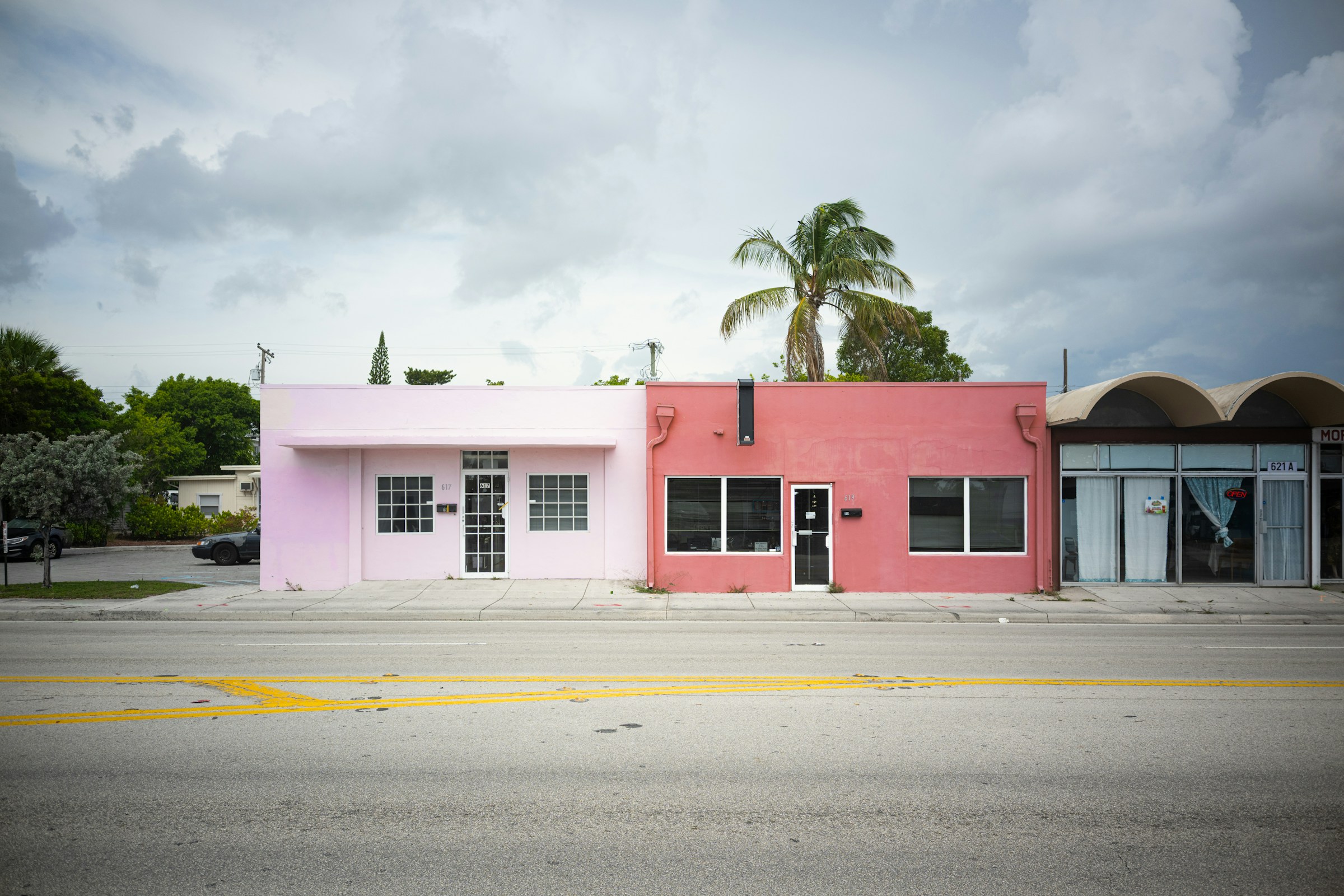
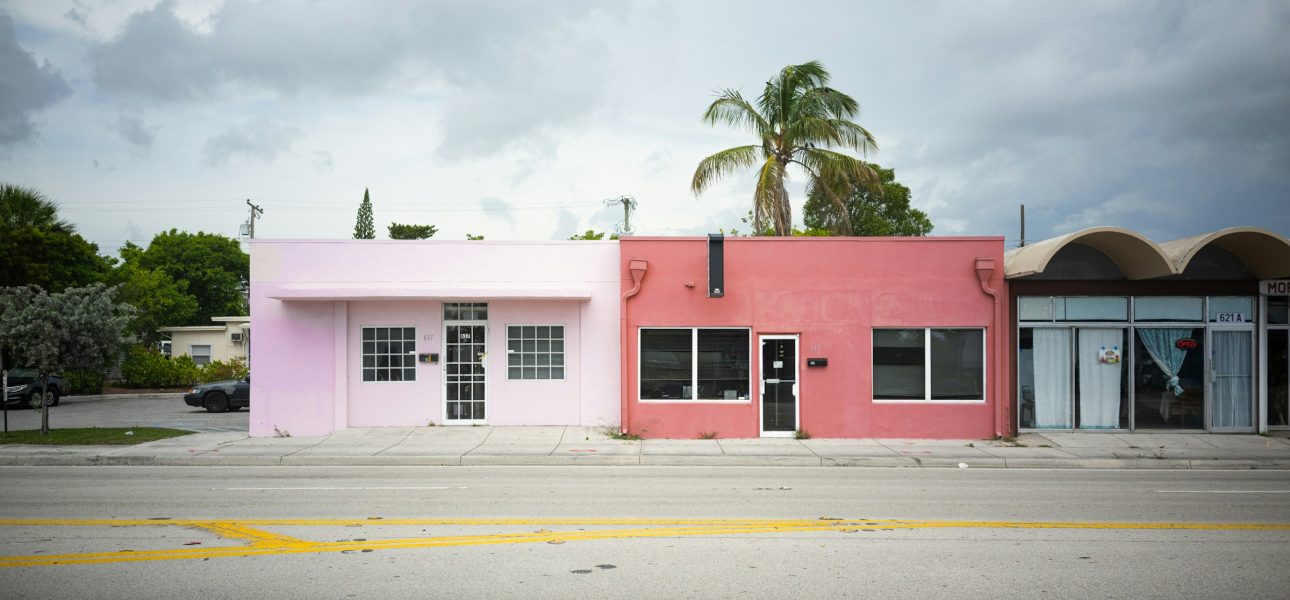
Florida has plenty of commercial properties that are good real estate but awkward financing candidates. A neighborhood center with two vacant bays. A mixed-use building with ground-floor retail and apartments above that needs updating. A shopping plaza whose anchor lease is rolling. Traditional lenders may pass on these situations until the building has stabilized, but waiting can mean losing the opportunity. A bridge loan is built for the gap.
What is a commercial bridge loan for retail or mixed-use property?
A commercial bridge loan is short-term, business-purpose financing secured by a commercial property. It can be used to acquire a property, to refinance an existing loan that is maturing, or to fund improvements and leasing while the owner works toward stabilization. The key feature is the exit: a bridge is expected to be repaid by a refinance, a sale or a similar event, usually within a limited term with possible extension options.
For retail and mixed-use specifically, bridge loans are often used for three situations:
- Acquisition with upside. Buying a partially vacant property at a basis that reflects its current condition.
- Maturity solutions. Refinancing an existing loan the owner cannot extend or replace with permanent debt.
- Repositioning. Funding capital improvements and leasing costs to lift occupancy and income.
For another view of how bridge debt supports owners facing refinancing pressure, read our guide to refinance and bridge-debt planning in the 2026 maturity wall.
What does the maturity data say about retail and mixed-use?
National data helps put Florida deals in context. According to a March 25, 2026 CRE Daily report citing Trepp, the March 2026 CMBS hard-maturity pool included 87 loans totaling $3.18 billion. Retail was the largest property type at 37.7% of the pool ($1.20 billion), with mixed-use at 22.8% ($724.9 million) and office at 23.1% ($732.9 million). Importantly, $3.10 billion, or 97.5%, of the cohort was performing, and only $78.7 million (2.5%) was non-performing. The report concluded that distress is concentrated in particular assets and that systemic risk appears limited.1
This is a national, CMBS-specific figure for a single month, and it should not be read as a Florida forecast. But it supports a useful point for borrowers. Many retail and mixed-use properties are performing and simply need refinancing solutions. The owners who run into trouble are usually those with specific problems, such as a lost anchor, a lease expiration cluster or a capital structure that no longer fits. A good bridge plan addresses those problems directly.
What are TI/LC reserves, and why do they matter?
When you re-tenant a commercial building, the cost of getting a new tenant in the door extends well beyond the lease itself. Tenant improvements (TI) cover build-out work. Leasing commissions (LC) pay brokers. Free rent can lower early income. These costs, sometimes grouped together as TI/LC, can be large relative to the first year’s rent.
A bridge loan can include a reserve for TI/LC, with funds released as leases are signed and work is completed. This is often the difference between a bridge that works and one that stalls. If your budget funds acquisition and light capital work but not tenant costs, your vacant space may stay vacant. When you build your plan, work backward from specific tenants or tenant categories:
- Identify the likely tenant profile for each vacant space, such as medical, service, restaurant or convenience retail.
- Estimate build-out needs, using contractor input rather than guesses.
- Include broker costs and a realistic free-rent period.
- Add a contingency, because tenant plans change.
- Match the reserve release schedule to your leasing timeline.
Have a Florida retail or mixed-use property that needs a bridge? Send us the rent roll, lease expirations and your leasing plan. We can help structure the bridge and the takeout. Start your application.
How do Tampa Bay, Jacksonville and South Florida differ?
Florida is not one market. Use this table as a due-diligence guide. It frames the questions to ask in each region rather than predicting outcomes.
| Factor | Tampa Bay | Jacksonville | Miami / South Florida |
|---|---|---|---|
| Typical bridge scenario | Neighborhood retail and mixed-use in growing suburbs and infill corridors | Strip centers and small mixed-use near employment and logistics hubs | Ground-floor retail with residential above, and urban infill repositioning |
| Main underwriting focus | Tenant mix, parking and competition from new retail | Re-tenanting anchored or shadow-anchored centers | Rent levels, insurance and building condition |
| Cost watch-points | Insurance, roof age and flood exposure | Insurance and wind-load requirements | Insurance, flood zone and building recertification obligations |
| Takeout lender profile | Banks, credit unions and debt funds for stabilized retail | Regional banks and life companies for stabilized assets | Banks and CMBS or debt funds, depending on size |
| Local guide | Tampa Bay investment property loans | Jacksonville investment property loans | Miami and South Florida investment property loans |
Why do insurance and building condition matter so much in Florida?
Insurance is a major operating cost for Florida commercial property, and it can influence value, cash flow and the permanent-loan underwriting. A lender will want to see current insurance coverage, including windstorm and flood where applicable, and will look at the age and condition of the roof, the building envelope and mechanical systems. Older buildings may face higher premiums or coverage limits.
Before you finalize a purchase or a bridge plan, obtain insurance quotes for the specific property, review any elevation or flood-zone information, and commission a property condition report. Include roof replacement or repair in your budget if the roof is near the end of its life. A permanent lender will often require these items to be addressed, so deferring them can cause trouble at takeout time. Smart sponsors treat the insurance quote as a core input, not a closing-week surprise.
What does a good Florida retail or mixed-use bridge plan look like?
A defined business plan
Write down what you will do, by when and at what cost. Include capital improvements, leasing targets and the sequence of work. A plan with named milestones is easier for capital partners to evaluate.
A conservative lease-up schedule
Commercial leases take time to negotiate, permit and build out. A realistic schedule recognizes that a tenant who signs in month three may not open and pay rent until month nine or later.
A funded reserve structure
Interest reserves, TI/LC reserves and capital-improvement reserves can all be part of a bridge. The right structure depends on the property and the plan.
A clear takeout
Know which permanent lenders you expect to approach, what occupancy and debt-service coverage they will need, and when you can reach those metrics. Keep a backup exit, such as a sale.
For comparison with apartment properties, our multifamily bridge loan guide shows how bridge-to-takeout planning works for residential income property.
What are the main risks?
- Lease-up risk. Tenants may take longer to sign and open than you expect. Build in cushion.
- Tenant concentration. A property that depends on one or two tenants can be vulnerable if either leaves.
- Capital cost creep. Build-outs, permits and materials can exceed estimates.
- Insurance and expense changes. Higher operating costs reduce net income and can affect the refinance.
- Takeout mismatch. If the loan matures before the property qualifies for permanent debt, you face refinancing pressure.
Understanding these risks is the point of underwriting. A borrower who addresses them upfront typically finds the conversation with capital partners more productive.
What if the lease-up runs behind schedule?
Delays are common in commercial leasing, so plan for them before you close. The first line of defense is an interest reserve and a loan term with extension options that match a conservative timeline. The second is a conversation with your capital partner as soon as you see a slowdown, rather than waiting until the maturity date is close. Depending on the property, options may include extending the bridge, bringing in additional equity, adjusting the leasing strategy, or selling the property to a buyer who values the work already completed. A sponsor who reports progress candidly and shows a revised plan is in a much stronger position than one who goes quiet. Keep monthly leasing updates, signed letters of intent and permit status documented so you can show momentum even when the opening dates slip.
How does Bancaverse help?
Bancaverse is a private credit platform and brokerage. We arrange bridge, construction, DSCR and private-credit loans for borrowers, and we do not lend from our own balance sheet. We help you organize the property story, structure the request and present it to capital partners whose programs may fit. We do not publish pricing, and we cannot promise approval or specific terms. Nothing here is investment advice.
Frequently asked questions
Can I get a bridge loan on a partially vacant Florida retail center?
Often yes, provided there is a credible plan to lease the vacancy and a believable exit. Capital partners will look closely at the property, the sponsor and the leasing strategy.
What is the difference between a bridge loan and a permanent loan for commercial property?
A bridge loan is short-term financing for transition. A permanent loan is longer-term financing for a stabilized property. Many owners use a bridge first, then refinance once occupancy and income meet permanent-loan criteria.
Can a bridge loan fund tenant improvements?
Many bridge structures can include a reserve for tenant improvements and leasing costs, released as work is completed. Terms vary by program.
How should I handle Florida insurance in my underwriting?
Get property-specific quotes early, include windstorm and flood coverage where relevant, and use those numbers in your cash-flow projections.
What if my existing commercial loan is maturing?
A bridge or refinance may be an option, depending on the property and your plan. Start the conversation well before maturity, because options narrow as the date nears.
Does Bancaverse make the loan itself?
No. Bancaverse arranges loans and works with private-capital partners. We do not lend from our own balance sheet.
References
- CRE Daily, “Mixed-Use, Retail Lead March 2026 CMBS Maturities,” March 25, 2026 (citing Trepp). https://www.credaily.com/?p=216559
Bancaverse can help you get private capital for your commercial real estate project.