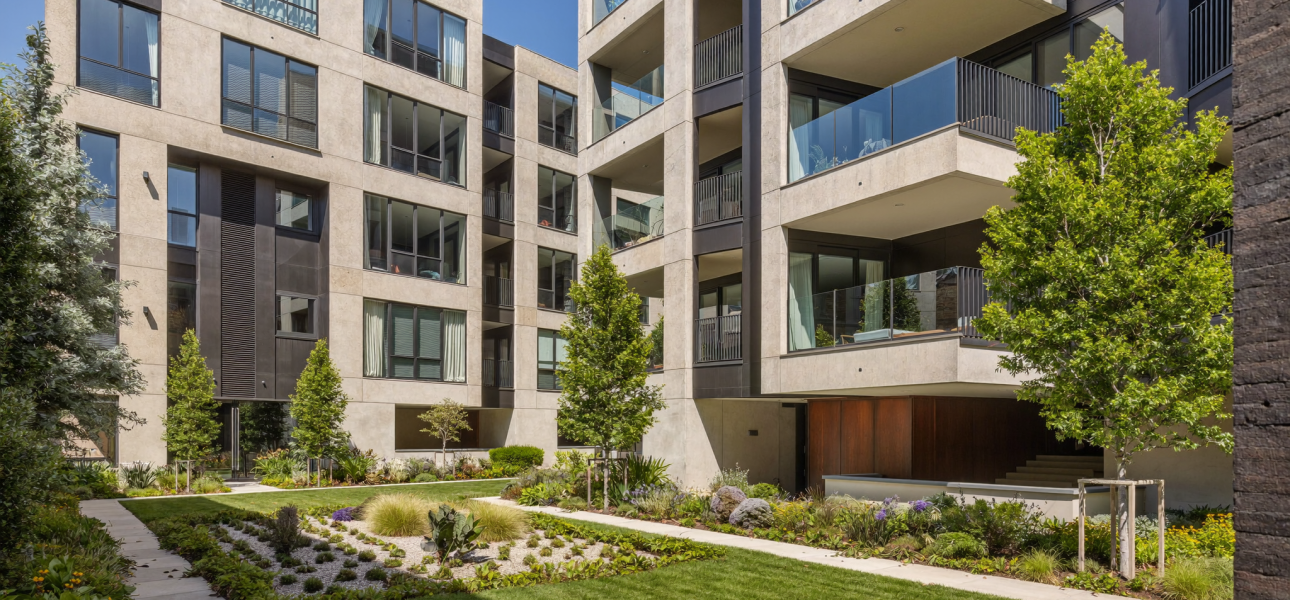
- Metro Atlanta apartment deliveries are projected at roughly 9,300 units in 2026, a 43% year-over-year slowdown and the lowest annual total since 2021.[1]
- Metro-wide vacancy stood at 5.6% as of Q2 2026, and the market is tracking toward one of the steepest vacancy declines among major U.S. metros as new supply tapers.[1]
- Average effective rents rose about 1% year-over-year to roughly $1,600 a month — modest growth, but real growth, alongside roughly 16,000 new jobs expected in the local economy in 2026.[1]
- A bridge loan is underwritten on the business plan and the exit, not on stabilized, in-place performance — which is exactly the tool a value-add or lease-up deal needs while it is still executing that plan.
Why does a cooling supply wave actually help Atlanta multifamily bridge borrowers?
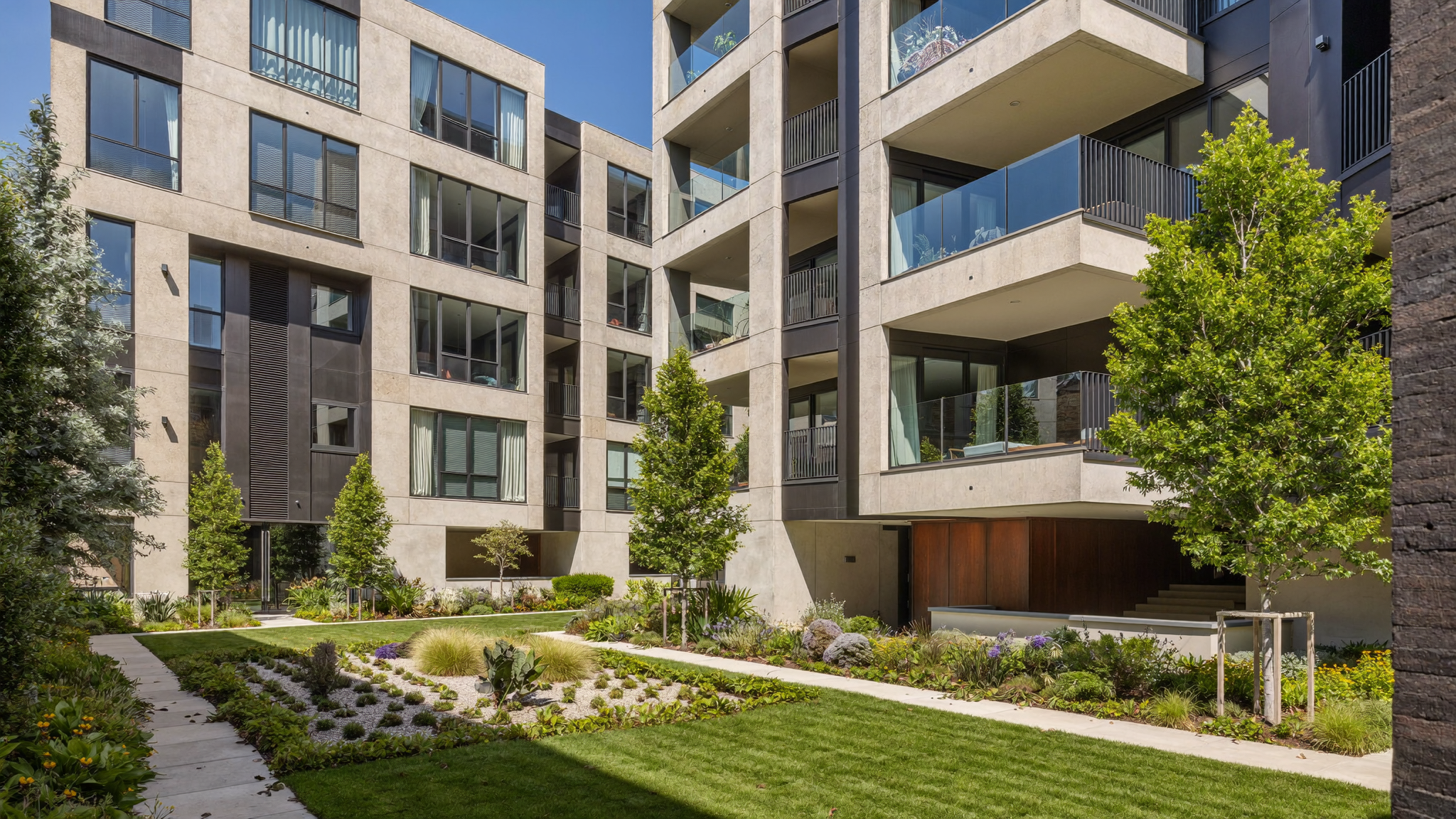
A wave of new apartment supply is a headwind while it’s arriving — more competing units mean slower lease-up and more concession pressure on anything not yet stabilized. Atlanta absorbed a large share of that wave over the past several years. The relevant fact for 2026 is that the pipeline is emptying out fast: deliveries are projected to fall to roughly 9,300 units, down 43% from the prior year and the smallest annual total since 2021.[1] Fewer new units competing for renters is the input that lets existing value-add and recently delivered lease-up properties absorb tenants and push rent with less resistance than they faced eighteen months ago.
Vacancy at 5.6% metro-wide, with Atlanta tracking toward one of the steeper vacancy declines nationally, and roughly 16,000 jobs expected to be added locally in 2026, reinforces the same story: demand is catching up to the supply that already landed.[1] That is the honest opportunity framing for a market that spent the last several years absorbing more new units than almost anywhere else in the country — the wave crested, and the properties still working through their business plans are the ones positioned to benefit as it recedes.
What is a multifamily bridge loan actually used for in this environment?
Three common scenarios drive Atlanta bridge lending right now. First, a value-add acquisition — buying an older or undercapitalized apartment property to renovate units and common areas, then repricing rent to match the upgraded product. Second, lease-up financing for a recently delivered or recently renovated property that has not yet reached stabilized occupancy and cannot yet qualify for permanent agency debt. Third, recapitalization — refinancing a maturing loan on a property that is still executing its business plan and is not yet ready for a conventional takeout.
In every case, the loan is sized and underwritten against the plan and the exit, not the property’s trailing twelve months of performance. That is the fundamental difference between bridge debt and permanent financing, and it is why the product exists specifically for the gap between acquisition (or a maturing loan) and stabilization.
Where do value-add multifamily deals typically stall in Georgia?
- Renovation timelines that run longer than the loan term. Unit turns depend on existing leases rolling off, and a heavier scope of work (full kitchen and bath renovations, for example) takes longer per unit than light cosmetic work — plan the term around the realistic pace, not the optimistic one.
- Interest reserves sized to the plan, not to a delay. If the reserve runs out before the property is generating enough income to cover debt service on its own, the sponsor funds the gap out of pocket at the worst possible time.
- Capex drawn as reimbursement, not advance. Renovation dollars on a bridge loan behave like construction draws — complete the work, document it, get inspected, then get paid back. That float is real money and is frequently under-budgeted.
- Treating a good month as stabilization. Takeout and agency lenders generally look at trailing performance over several months, not a single strong rent roll. Hitting the number once is not the same as holding it.
How do different capital sources approach a Georgia multifamily bridge deal?
| Capital source | Built for | Where it struggles |
|---|---|---|
| Debt funds and bridge specialists | Repeatable transitional deals — renovation, lease-up, reposition; standing draw desks | Documentation flexibility — the process is standardized because that is the product |
| Banks | Sponsors with track record, cleaner assets, longer relationship horizons | Transitional risk and speed; a deal that doesn’t fit moves slowly |
| Life companies / insurance capital | Larger, better-located, stabilized or near-stabilized assets | Anything with heavy business-plan risk — the wrong box for a full reposition |
| Balance-sheet private capital / family offices | Speed, structural flexibility, unusual collateral or timelines | Standardization — process depends on one decision-maker’s calendar and bandwidth |
How does a multifamily bridge loan convert into permanent or agency financing?
The takeout is the whole point of a bridge loan — it exists to carry a property from where it is today to where it can qualify for longer-term debt. Once occupancy, rent, and expense performance stabilize and hold for a meaningful trailing period, the property generally becomes eligible for agency (Fannie Mae or Freddie Mac), life-company, or conventional bank permanent financing at typically more efficient long-term terms. Sponsors should have a credible, specific view of that takeout path before they close the bridge loan, not after.
What documentation moves an Atlanta multifamily bridge deal fastest through underwriting?
A clear business plan is the single biggest accelerant: unit-by-unit renovation scope with cost estimates, a realistic post-renovation rent comparable set (not aspirational numbers), a timeline that accounts for lease roll-off, and a sponsor track record on similar deals. Rent rolls, trailing operating statements, a capital expenditure budget, and a defined exit — sale or refinance — round out what most bridge lenders want to see before issuing terms. Sponsors who arrive with this package already assembled generally move through underwriting in a fraction of the time of those who assemble it reactively after a lender asks.
How do rising insurance and operating costs factor into Georgia multifamily underwriting?
Property insurance and other operating costs have climbed across much of the Southeast in recent years, and that trend affects net operating income and, in turn, how much debt a property can support — whether at acquisition, during the bridge period, or at takeout. A realistic Georgia multifamily underwrite in 2026 builds current, not stale, insurance and expense assumptions into the pro forma rather than relying on the seller’s trailing expenses, which may understate what the buyer will actually pay going forward.
Related reading
For the broader private-credit response to the national CRE maturity wave, see the $1.3 trillion CRE maturity wave and why private credit is filling the gap. Sponsors comparing Georgia to neighboring states should also see multifamily bridge loans in Texas, Tennessee, Kentucky, and Georgia and Georgia multifamily loans: bridge and value-add funding for reposition projects. For sponsors weighing a more complex capital stack, see preferred equity and mezzanine debt in the CRE capital stack. Bancaverse’s multifamily program is outlined at our multifamily bridge and value-add service page.
FAQs
What loan sizes does Bancaverse typically see for Georgia multifamily bridge deals?
Multifamily bridge deals we place generally range from roughly $1 million to $10 million, with most transactions landing between $1 million and $5 million — though every deal is evaluated on its own merits and capital partners’ current appetite.
Is renovation capital advanced up front or reimbursed?
Most commonly reimbursed through a draw process similar to construction financing — complete the scope, document it, have it verified, then receive funds. Budget for that float explicitly.
What happens if my lease-up takes longer than expected?
Extension options are typically available but usually come with performance conditions, a fee, or both. Understand the extension terms before you close, not after you need one.
Do I need a signed takeout commitment to close a bridge loan?
Generally not a signed commitment, but you do need a credible, specific exit plan. A deal without a nameable takeout path is difficult to place with any capital source.
How does Atlanta’s cooling supply wave affect underwriting today versus eighteen months ago?
Lenders are generally more comfortable underwriting lease-up timelines now that fewer competing units are delivering, though every submarket in metro Atlanta absorbed new supply differently — underwriting still runs property-by-property and submarket-by-submarket, not off a single metro-wide number.
Can a bridge loan fund a property that isn’t generating any income yet?
It depends on the deal — a property with some in-place income and a credible path to full stabilization is generally more financeable than one starting from zero occupancy, though heavier reposition and even conversion deals do get done with the right sponsor and business plan.
What’s the difference between a value-add deal and a distressed deal?
A value-add deal is generally performing but under-optimized — below-market rents, deferred maintenance, or outdated units that a renovation and re-lease plan can address. A distressed deal typically involves a maturing or defaulted loan, meaningful vacancy, or operating problems beyond a straightforward capital-improvement plan. Both can use bridge financing, but the underwriting conversation, and often the capital source, differs.
Does Bancaverse lend on these deals directly?
No. Bancaverse is a brokerage. We take one submission and match it to capital partners whose lending box fits the business plan and the exit — we do not lend our own balance sheet.
References
[1] Marcus & Millichap via Urbanize Atlanta, “Report: Atlanta’s apartment ‘supply wave’ is easing as ’26 unfolds,” Q2 2026 multifamily market analysis: atlanta.urbanize.city/post/report-atl-apartment-supply-wave-eases-2026-unfolds
Loan availability depends on property location, licensing, lender criteria, and applicable regulations. Bancaverse is a brokerage — we match borrowers with capital partners and do not lend. Educational information only; not an offer of credit, investment advice, or a commitment to lend.