Residential transition loans (RTL) are short-term, business-purpose loans secured by non-owner-occupied residential investment property that is being renovated, built, or bridged to a sale. They typically run 6 to 24 months. RTL has grown into an important segment of private credit because the collateral is mid-change, and conventional lenders underwrite stabilized income that a transitional asset does not yet produce.
One clarification belongs at the top, because it is the line that matters most. RTL is business-purpose lending against non-owner-occupied investment property. It is not consumer mortgage lending. The borrower is an investor or entity executing a business plan on a property nobody occupies as a primary residence, and repayment comes from a defined exit, not a household’s income.
Why banks often avoid transitional residential assets
Conventional real estate credit is built around stabilized income and a supportable as-is value. The file wants an operating history, a clean appraisal with comparables, and a repayment source that already exists on the day the loan closes.
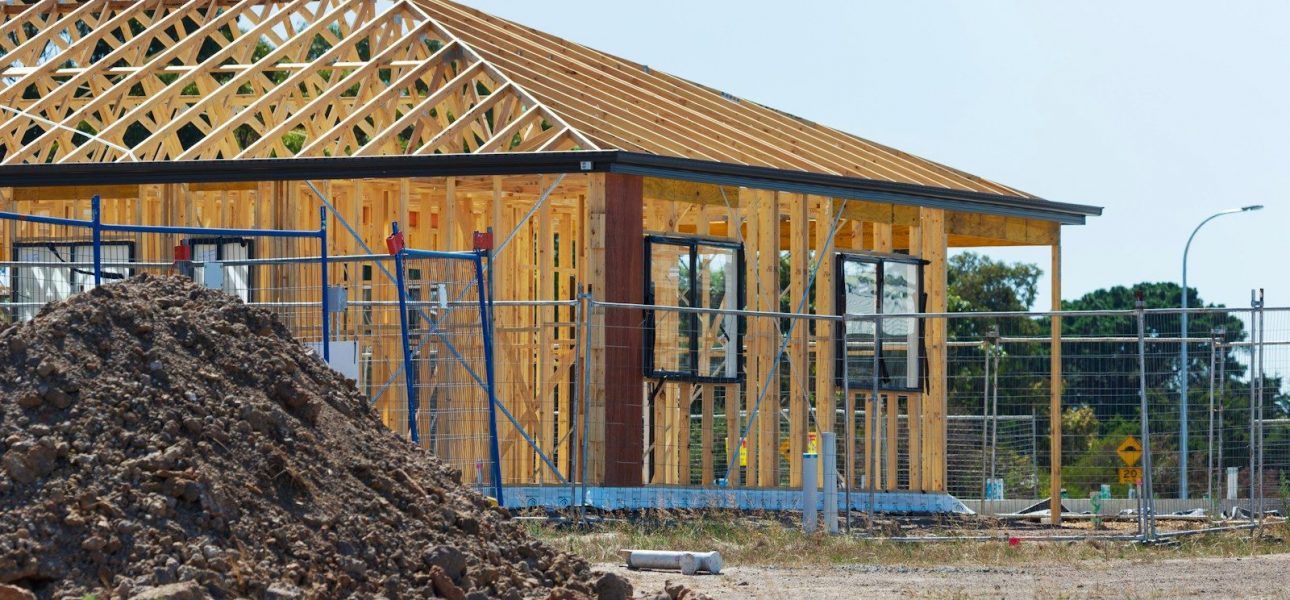
A transitional residential asset offers none of that. The house is vacant because it is being gutted. The lot has a permit but no structure. There is no income in place, because income in place was never the plan.
Banks do not avoid transitional residential assets because the assets are bad. They avoid them because the assets are unfinished, and unfinished collateral fails a stabilized test by definition.
The second constraint is the loan itself. A 6 to 24 month, self-liquidating, draw-funded loan sits awkwardly inside a cost structure built for long-dated, uniform paper. The economics of processing it conventionally rarely work — a different problem from the credit, and a more revealing one. That gap is much of why so many financeable transactions never reach a conventional bank at all.
Six to twenty-four months is the point, not the drawback
Short duration is routinely read as a limitation. From the lender’s seat it is closer to the opposite.
A loan that matures inside two years is a loan whose assumptions get tested quickly. The plan either executes or it does not, and the lender finds out inside a defined window rather than carrying an unresolved thesis for years. Duration risk is compressed because the exit is contemplated at origination, not deferred to a refinance market nobody can forecast.
A short-duration loan is priced against the market that exists when it is written, and re-priced against a new one every time it repays. Long-dated paper cannot do that. It fixes one judgment in place and asks the lender to live inside it for decades.
The trade-off is real. Short duration means the lender has to keep originating; capital does not sit. That is why sourcing matters more here than for a buy-and-hold position.
How faster capital recycling can support flexibility
When a loan repays in months rather than decades, the same dollar underwrites many decisions instead of one. Each repayment is a fresh option: redeploy, sit out, tighten the box, widen it, or move to a different asset profile.
That optionality is a form of control. A lender who re-underwrites every cycle is never more than a few months from acting on a changed view of a submarket, a cost trend, or a sponsor. A lender holding thirty-year paper expresses a view once and then lives with it.
Recycling also disciplines the credit box, because frequent repayment produces frequent evidence — which sponsors deliver, which scopes overrun, which exits clear — while it is still true.
None of this removes risk; it relocates it. Redeployment risk replaces duration risk, and the money must have somewhere sensible to go each time it returns. Weighing that is part of looking past headline yield in transitional real estate credit.
Common RTL structures, in plain terms
RTL is a category rather than a single product, and its structures share one logic: the loan is shaped around a business plan with a defined end.
Interest reserves. A transitional property produces no income while the work is underway. Rather than rely on the borrower funding payments from elsewhere, part of the loan can be set aside at closing to service interest through the project, making the debt service source explicit instead of assumed.
Draw schedules. Construction and heavy-rehab loans are typically funded in stages against completed work, released after inspection rather than advanced up front. Money follows progress, and the unfunded balance stays with the lender until the work supporting it exists.
LTC and LTARV basis. Transitional loans are commonly sized against loan-to-cost — price plus budgeted scope of work — and against loan-to-after-repair-value, the projected value once the plan is complete. Both are constraints, and the binding one produces the smaller loan. As-is loan-to-value fits poorly here, because as-is is not the state the loan is repaid from.
Exit-driven underwriting. Every RTL is underwritten to a specific repayment event: a sale, a refinance into longer-term financing, or a return of capital on completion. The exit is the credit. Sponsor record, budget realism, timeline, and the depth of the market at the exit price are what the analysis turns on.
These describe common market practice, not recommendations. Terms vary by transaction, lender, and market.
Why boutique capital is well suited to RTL
RTL rewards exactly what a standardized platform is worst at.
Every deal carries an idiosyncratic element: this scope of work, this contractor, this submarket, this exit. Judging it requires a view on a business plan and the willingness to accept a structure no rate sheet contemplates. A family office already carrying real estate expertise is well equipped for that — the site read, the cost sanity check, the read on a sponsor are the same muscle used on the equity side, applied from a senior position with a set maturity and rate.
The operational objection is fair: originating this paper consistently is real work. Sourcing, screening, and matching are the expensive parts — and the parts that can be delegated without giving up anything that matters.
Bancaverse is an independent private credit platform and brokerage for business purpose mortgage lending specializing in business-purpose private credit. We connect boutique capital providers with transitional real estate financing opportunities — including bridge, residential transition loans (RTL), construction and specialty commercial transactions — that reward flexibility rather than standardization. We are not a bank, lender, or depository institution and do not originate or fund loans directly.
You define the credit box — property types, geographies, sponsor profile, structures you will and will not do — and matched opportunities come to you. We source across 32 states so that a narrow box still sees flow; the reach protects selectivity rather than manufacturing volume. Building the box costs nothing, and a brokerage fee is earned only at closing. What the borrower on the other side wants is covered in what borrowers want from private capital.
Outsourced origination. Never outsourced judgment.
Key Takeaways
- RTL means short-term, business-purpose loans on non-owner-occupied residential investment property — fix-and-flip, heavy rehab, ground-up construction, bridge-to-sale. Not consumer mortgage lending.
- Banks step back from transitional residential collateral because it is unfinished, not unsound. There is no income in place to underwrite.
- Terms of 6 to 24 months compress duration risk and test the thesis quickly. The trade-off is that redeployment becomes an ongoing job.
- Interest reserves, staged draws, and LTC and LTARV sizing all tie the loan to a business plan with a defined end.
- The exit is the credit. Sponsor record, budget realism, and the depth of the market at the exit price carry the analysis.
Frequently Asked Questions
What is a residential transition loan?
A residential transition loan is a short-term, business-purpose loan secured by non-owner-occupied residential property being renovated, built, or repositioned for sale or refinance. Terms typically run 6 to 24 months. The category covers fix-and-flip, heavy rehab, ground-up construction, and bridge-to-sale, and it is repaid from a defined exit rather than operating income.
Is RTL a form of consumer mortgage lending?
No. RTL is business-purpose lending on non-owner-occupied investment property. The borrower is an investor or entity executing a business plan on a property nobody occupies as a primary residence, and repayment comes from a sale or refinance. Bancaverse works exclusively in business-purpose, non-owner-occupied transactions.
Why are RTL loans sized against cost and after-repair value?
Because as-is value is not the state the loan repays from. Loan-to-cost measures exposure against purchase price plus budgeted work; loan-to-after-repair-value measures it against the completed asset the exit depends on. Both are constraints, and the binding one produces the smaller loan. Specific levels vary by transaction, lender, and market.
See how your investment strategy can benefit from transitional lending opportunities at Bancaverse for Family Offices.
Educational content only. Not investment, legal, or tax advice. Business-purpose, non-owner-occupied transactions only.
Related data: the Census Bureau’s New Residential Construction release tracks permits, starts, and completions — the supply backdrop against which residential transition loans are underwritten.