Track the Numbers That Keep a Multifamily Project on Plan
Occupancy, collections, delinquency, renewals, unit turns, renovation spending and reserves. The numbers that keep a multifamily plan on track.

Occupancy, collections, delinquency, renewals, unit turns, renovation spending and reserves. The numbers that keep a multifamily plan on track.

Operating statements, rent rolls, capex history, property condition, sponsor financials and a clear business plan for a multifamily loan.

Cost per unit, downtime, achievable rent premiums, turnover and pace. Underwrite a multifamily unit renovation plan that holds up.

Spot concessions, delinquency, loss to lease, vacancy, one-time income and expenses that need normalizing on a multifamily rent roll and T-12.

How NOI, valuation, debt coverage, interest rates and loan maturity decide whether a refinance can pay off your existing loan.

Columbus and Cleveland multifamily rent growth decelerated in Q2 2026, but net absorption is outpacing a construction pipeline that has nearly stopped. Verified Matthews market-report data on why that combination still supports a bridge-financed value-add strategy.
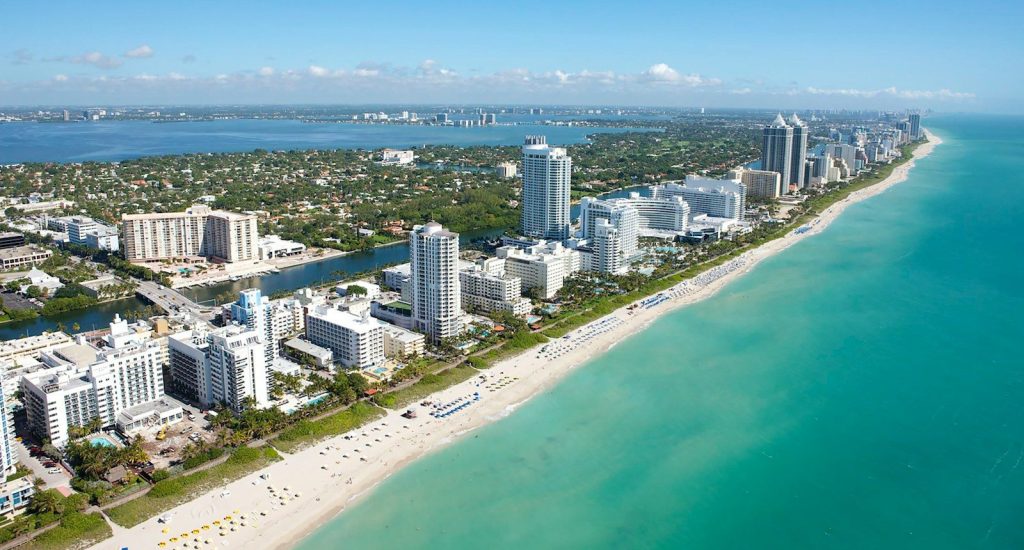
A Florida-specific guide to multifamily bridge financing: sizing on in-place and stabilized NOI, why insurance quotes decide proceeds, judicial foreclosure and redemption under Fla. Stat. 45.0315, Live Local Act tax exemptions, and how Tampa, Orlando, Jacksonville, and South Florida differ for value-add and lease-up sponsors.

How lenders underwrite student housing: by-the-bed leases, preleasing, enrollment data, and typical bridge and perm structures. Get matched with capital.

Assumable low-rate multifamily and CRE debt is 2026’s quiet edge. How loan assumptions work, what they cost, and how to bridge the equity gap.
Bridge-to-perm financing explained: how bridge loans convert to permanent debt, why deals break at the handoff, and how to underwrite your exit first. Get matched.