Loan-to-Cost vs Loan-to-Value: How Construction and Value-Add Lenders Size a Deal
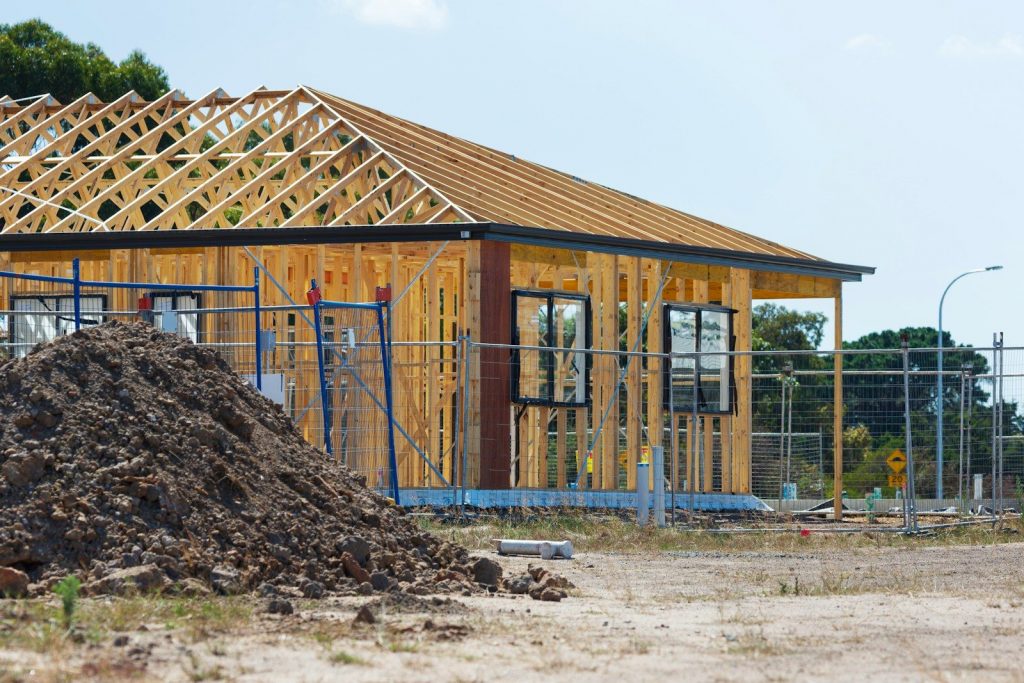
Loan-to-cost vs loan-to-value: which ratio sizes your construction or value-add loan, typical LTC and LTARV ranges, and what kills deals. Get matched today.
Loan-to-cost vs loan-to-value: which ratio sizes your construction or value-add loan, typical LTC and LTARV ranges, and what kills deals. Get matched today.

Why workforce housing is the cleanest play on the boom You don’t have to build a chip fab to profit from one — you have to house the people who run it. Samsung’s Taylor fab alone expects about 1,500 permanent employees by the end of 2026, with roughly 3,000 workers on-site during ramp. SpaceX’s Bastrop […]
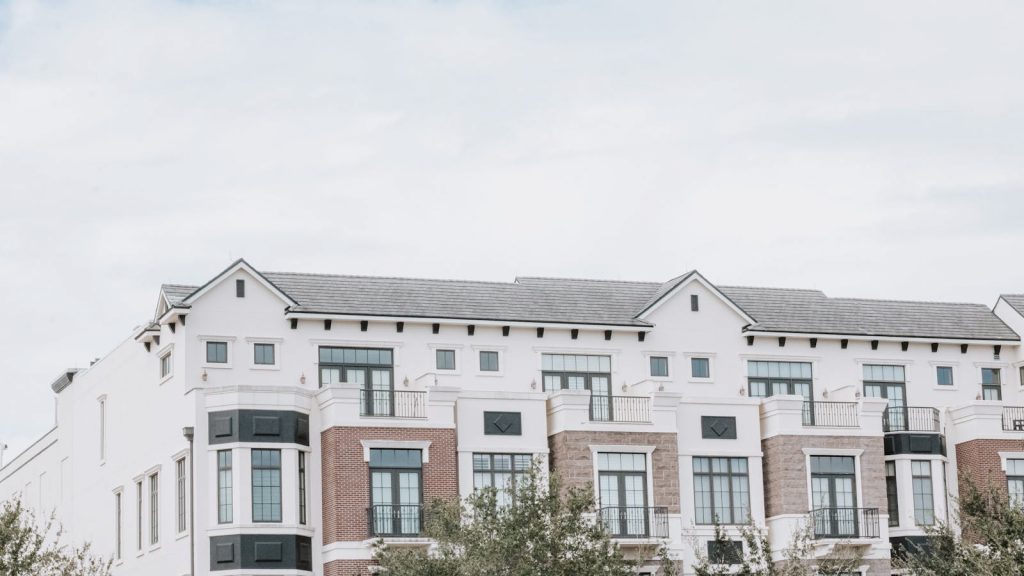
A multifamily bridge loan is short-term financing that lets an investor acquire or reposition an apartment property before refinancing into long-term debt or selling. It is the tool of choice for value-add deals: buy an underperforming building, raise occupancy and net operating income (NOI), then refinance into agency or bank financing once the numbers support […]
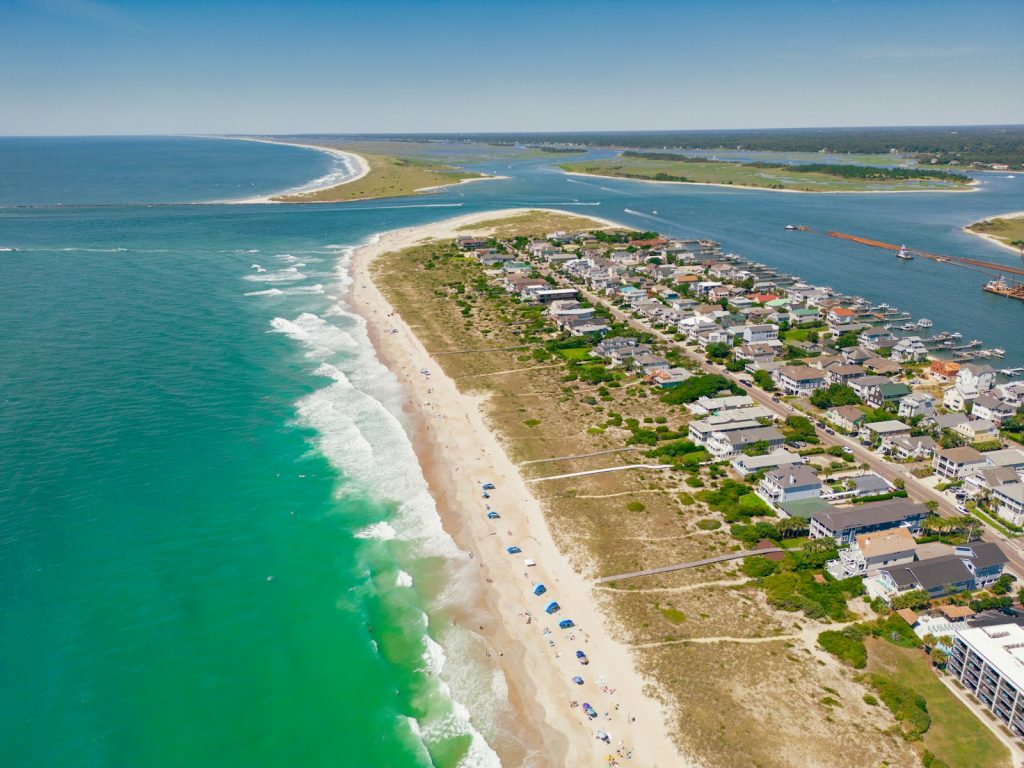
Quick answer: Apartment buildings (5+ units) are financed on the property’s net operating income (NOI) and debt-service coverage (DSCR) — not your personal income. The right capital depends on the deal: agency or bank debt for stabilized, cash-flowing assets at the best rates; bridge financing for lease-up, repositioning, or value-add; and private/DSCR programs when speed, […]

Value add commercial real estate in the Texas Triangle is not a single strategy. It is a collection of distinct plays differentiated by asset class, geography, capital structure, and execution timeline, each with its own return profile, risk factors, and financing requirements.

Retail real estate was supposed to be the casualty of the ecommerce decade. The narrative was relentless and seemingly inevitable: Amazon was killing retail, brick and mortar was dying, and the malls were next. Texas did not get the memo.

Every corporate headquarters that relocates to Texas brings with it a wave of apartment demand that follows a predictable pattern if you know how to read it. The C-suite and senior management relocate first, driving demand for Class A product in premium urban and suburban locations.

The Opportunity Zone program has been made permanent. The One Big Beautiful Bill Act, passed by Congress in 2025, extended and restructured the program as Opportunity Zone 2.0, with new designations taking effect January 1, 2027, following the sunset of current OZ 1.0 designations at the end of 2028.
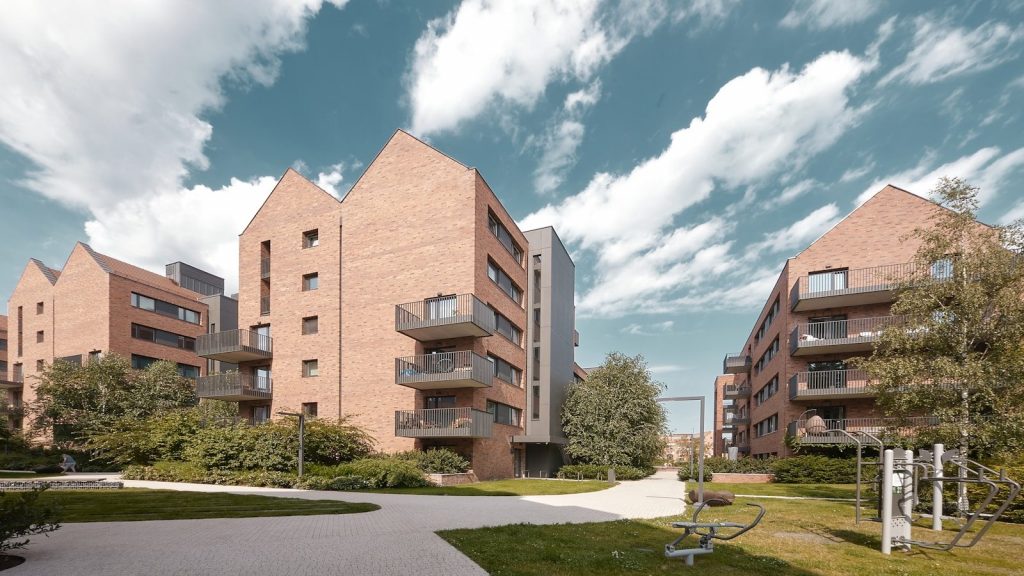
The Texas multifamily market spent 2024 and 2025 digesting an extraordinary supply wave. Developers who approved construction starts during the low-rate environment of 2020 through 2022 delivered a volume of new units that temporarily exceeded absorption capacity in several major metros.

Scaling a residential rental portfolio from 10 units to 50 units is not a linear extension of the strategy that got you to 10 units. It requires a different financing toolkit, a different underwriting fluency, and a different operational mindset. The investors who make this leap successfully are almost universally the ones who understood multifamily bridge financing in enough depth to use it as a deliberate scaling mechanism rather than a financing option of last resort when other capital sources were unavailable.