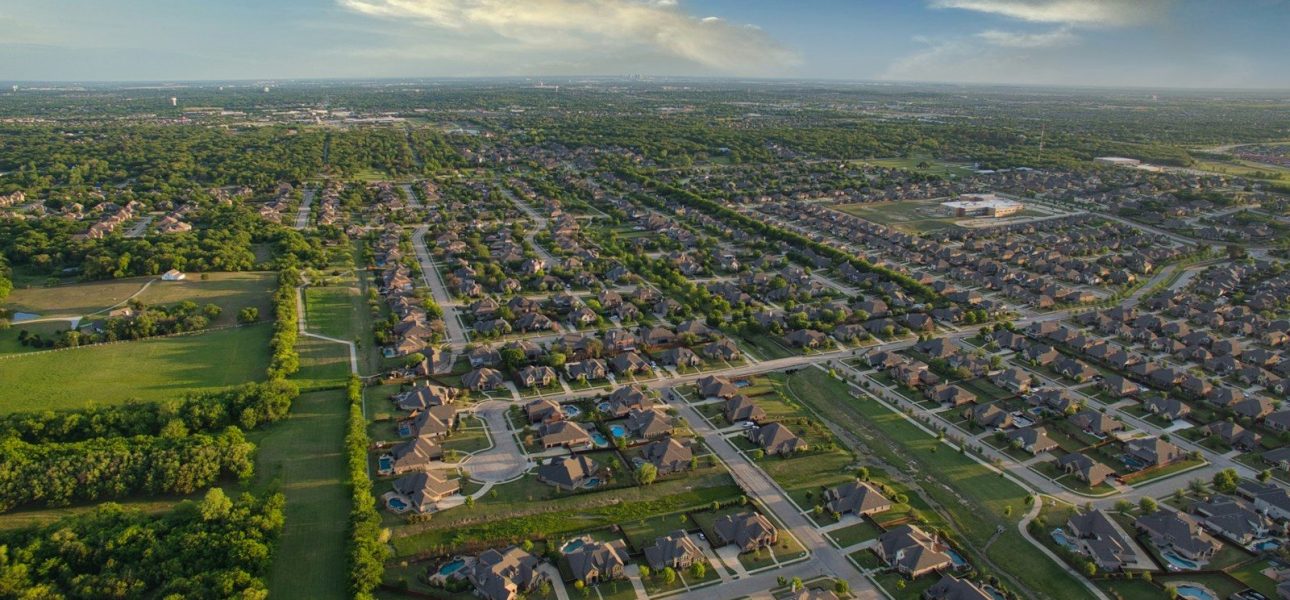
Fast resale markets reward investors who prepare financing before they write the offer. In Zillow’s August 2026 data, homes reach pending status in 7 days in Hartford–New Haven, 13 in Boston and 14 in Baltimore. That speed makes proof of funds, a realistic rehab budget and draw planning especially important.
Updated October 2026
How fast are Hartford, Boston and Baltimore moving?
| Metro | Days to pending | Typical value | Annual rent ÷ value |
|---|---|---|---|
| Hartford–New Haven | 7 | $402,457 | 6.07% |
| Boston | 13 | $733,574 | 5.03% |
| Baltimore | 14 | $400,263 | 5.84% |
Source: Zillow Research, metro data through August 2026.
What should be ready before you submit a flip offer?
In a market where typical homes reach pending status quickly, financing preparation belongs before the offer. Have the borrowing entity, identification, liquidity evidence, experience summary, purchase assumptions and preliminary renovation budget organized. If a seller or agent asks how the acquisition will be funded, you should be able to explain the structure without starting from scratch. Proof of funds and financing documentation should accurately reflect the transaction; do not overstate certainty or imply a loan is guaranteed.
How can draw timing affect a fast flip?
A fast acquisition does not mean renovation cash arrives instantly after closing. Rehab lenders may release construction proceeds through draws tied to completed work and inspections. Map contractor payment expectations against the draw process before work starts. If a contractor needs a deposit or materials must be purchased before reimbursement, the investor may need enough liquidity to bridge that timing. A profitable scope can still stall when the cash calendar and draw calendar do not match.
Zillow’s market data also shows different typical values: Hartford–New Haven $402,457, Boston $733,574 and Baltimore $400,263. A higher price point can change the amount of equity and liquidity required even when resale speed looks similar. Keep the acquisition strategy tied to the specific submarket and finished product. “Fast market” should describe competitive timing, not justify skipping inspection, title, permit or budget diligence.
Why do older houses need a different diligence checklist?
Boston, Baltimore and Hartford–New Haven all contain substantial older housing stock, so a flip budget should leave room for property-specific discoveries. Lead paint, electrical or plumbing conditions, permits and rental licensing can affect scope and timing. Requirements vary by property and jurisdiction. Confirm legal and permitting obligations with local authorities and a real estate attorney rather than treating a generic checklist as legal guidance.
How do you protect the exit when the resale market is fast?
Fast days-to-pending data describes the recent metro market, not a promise that your renovated property will sell on the same schedule. Underwrite the exit using the subject property, likely buyer pool, finished condition and realistic listing strategy. Keep carrying costs and maturity in view if the resale takes longer. If the backup plan is to hold the property, determine whether the finished rent could support a refinance before you rely on that option.
What goes in your fix-and-flip loan file?
Have entity documents, identification, liquidity, purchase contract, preliminary scope, contractor budget, property photos and exit assumptions ready before the offer becomes urgent. Add permits and local compliance items as they become available.
How Bancaverse™ works for this transaction
Bancaverse™ is a private credit platform and brokerage for business purpose mortgage lending. Borrowers submit one deal for review by private lenders and can compare returned term sheets. Bancaverse™ represents the borrower, earns a brokerage fee only at closing, never charges upfront fees and never takes deposits. Platform loans start at $300,000; lenders generally look for 680+ credit, although investors below that can still start at bancaverse.com/apply.
Related reading: Fix-and-flip profit calculator; What Is After-Repair Value (ARV) and How Do Lenders Use It?.
Speed at acquisition can tempt flippers to compress diligence in the wrong places. The better response is to pre-build the repeatable parts of the file. Keep entity documents, identification, liquidity, experience and a standard scope template ready. Then spend the limited offer window on the property-specific risks: condition, title, permit history, likely renovation scope and resale comps. In older housing, budget uncertainty deserves special attention because opening walls can reveal work that was not visible during a quick walkthrough. The financing plan should therefore include contingency liquidity outside the exact contractor bid. After closing, treat draw requests as project milestones. Submit complete documentation promptly and do not schedule contractor payments on the assumption that an inspection and reimbursement will happen instantly. A fast resale market can shorten the back end of a successful project, but it does not shorten the physical work or lender process at the front end.
Picture a flip opportunity that receives multiple offers within days. The investor can move quickly because the entity and liquidity file are already organized, but still conditions the internal decision on a contractor walk-through and title review. After closing, demolition reveals an electrical issue that adds work. The project can absorb it because the budget included contingency and the investor retained cash outside the lender’s rehab commitment. That is the difference between moving fast and underwriting carelessly. On the back end, the investor lists into a market that had fast metro-level pending times, but this particular house takes longer because its price point has fewer buyers. The loan still needs enough maturity runway to handle that variance. Fast-market financing is therefore about preparation at acquisition and patience in the capital plan: be ready to close quickly without requiring the renovation or resale to happen on an unrealistically compressed schedule.
Related: Connecticut investment property loans: rental, bridge and fix-and-flip
FAQ
Why does proof of funds matter in a fast market?
When homes go under contract in one to two weeks, sellers pick the offer most likely to close. Proof that your down payment and closing cash are ready, plus a lender already reviewing the deal, makes your offer more credible than a higher price with a vague financing plan.
How do rehab draws affect contractors?
Most rehab loans release renovation money in draws after work is inspected, not upfront. If a draw is slow, you may have to pay the crew out of pocket or lose them to another job, so ask how long inspections and payouts take and keep a cash cushion for the gap.
Do older homes need extra diligence?
Yes. Rowhomes and older multifamily in Baltimore, Boston and Hartford often bring lead paint rules, permit history questions and outdated systems. Budget for inspections and compliance work so a surprise doesn’t blow up your scope or your timeline.
Can I rely on metro days-to-pending for my flip?
Use it as a market signal, not a promise. A metro average of two weeks doesn’t mean your house sells in two weeks. Price your exit off recent sales of similar finished homes on your street and plan a loan term with room to spare.
What is a reasonable backup exit?
The usual backup is refinancing into a rental loan and holding the property if it doesn’t sell on time. Check before you buy whether the expected rent would support a DSCR refinance, so a slow sale doesn’t turn into a forced price cut.
How should a flipper budget time as well as money?
Put dates beside every major cash item: earnest money, closing, first contractor payment, expected draw requests, completion, listing, projected sale and loan maturity. Then move the construction and sale dates later in a stress case. Fast market data can help explain urgency at acquisition, but the loan has to survive the period after closing when permits, contractors and buyers move on their own schedules.
Ready to compare real offers? Sign up for quotes or call (737) 300-9920 to submit the investment-property request.
Five assumptions to check before you apply:
- Don’t assume fast metro sales eliminate resale risk.
- Don’t assume proof of funds replaces full underwriting.
- Don’t assume a rehab commitment removes the need for working capital.
- Don’t assume older homes can use a generic scope without property diligence.
- Don’t assume the fastest offer should also use the shortest maturity possible.
For each one, get it confirmed in writing (property facts, the term sheet or the loan documents) and know who is responsible for confirming it before closing.