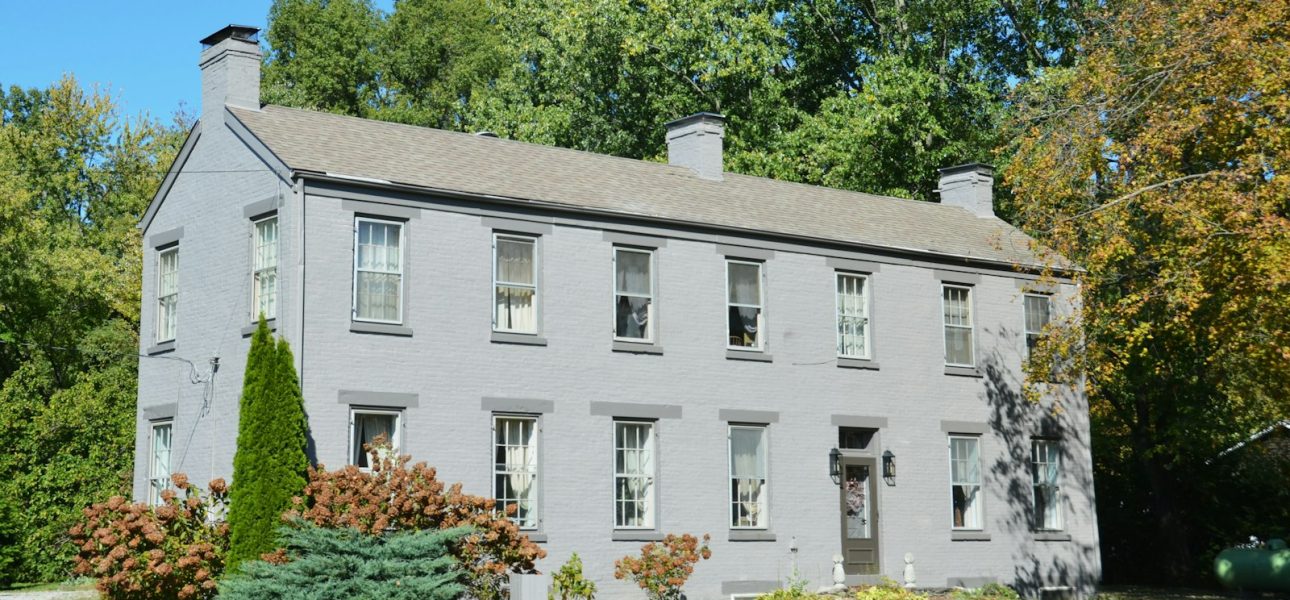
Quick answer: An Ohio BRRRR plan uses short-term rehab or bridge capital to buy and renovate a rental, then refinances into a DSCR loan that qualifies the property on its own rental income. The handoff works best when you plan seasoning, lease-up, rent documentation and reserves before you buy, not after the rehab is finished.
Key takeaways
- A DSCR loan underwrites the property’s rental income against its debt payments, so a signed lease and a clean rent story matter more than your personal tax returns.
- The bridge-to-DSCR handoff has a timeline: finish rehab, lease up, document rent, order the appraisal and close before the short-term loan matures.
- Ohio’s affordable price points can make cash flow work, but taxes, insurance and condition issues still decide whether a refinance pencils.
- Build a backup exit, such as an extension or a sale, before you close the first loan.
What does BRRRR mean for an Ohio investor?
BRRRR stands for buy, rehab, rent, refinance, repeat. The idea is to acquire a property that needs work, renovate it, place a tenant and then replace the short-term financing with a long-term rental loan. If it works, the investor recycles capital into the next property.
Ohio’s major metros, Cleveland, Columbus and Cincinnati, attract this strategy because the housing stock is varied and entry prices are generally lower than coastal markets. That does not guarantee any outcome. Rents, expenses and condition vary block by block, and a plan that works in one Columbus suburb may not work in a Cleveland inner-ring neighborhood.
Bancaverse is a private credit platform and brokerage. We arrange business-purpose loans through private lenders and do not lend from our own balance sheet. This article explains the planning side, not any specific loan terms.
How does a DSCR loan work for a refinance?
DSCR stands for debt service coverage ratio. In plain terms, it compares the property’s net operating income to its annual debt payments. A property that covers its payments with room to spare looks stronger than one that barely breaks even. Lenders define the calculation and the minimum they will accept differently, so ask each lender for their method early.
Because the loan looks at the property, it can suit investors who hold several properties or whose personal income is complex. It is still a loan to a borrower, so credit, experience and reserves may be reviewed. For a deeper walkthrough of how coverage is analyzed in the state, read our guide to Ohio DSCR loans and rental cash flow.
What is the timeline from rehab loan to DSCR refinance?
Work backward from the maturity date of the short-term loan. A typical plan has five stages: acquisition, rehab, lease-up, documentation and refinance closing. Each stage can run longer than expected, so leave cushion.
- Acquisition and rehab: Confirm the scope, permits and contractor schedule. Municipal inspections, especially for older housing stock, can add days.
- Lease-up: A refinance lender will usually want evidence of rent, such as a signed lease, so marketing the unit while work wraps up saves time.
- Documentation: Gather the lease, proof of deposit, insurance quote, entity documents and a rent-roll summary.
- Appraisal and underwriting: The lender orders an appraisal that may include a rent schedule. Condition issues here can derail the plan.
- Closing: Title, payoff of the short-term loan and funding need coordination.
If any stage slips, extension options on the short-term loan become valuable. Ask about them before you sign.
What do lenders look at when you refinance a rehabbed Ohio rental?
Private and DSCR lenders vary, so use the following as a preparation list rather than a promise of what any lender will require. Expect questions about the property’s condition and completion of the rehab, the lease and tenant, the borrower entity, insurance and reserves.
| Item | Why it matters | How to prepare |
|---|---|---|
| Rehab completion | Appraisers and lenders want a finished, rentable property | Keep permits closed and inspection records handy |
| Lease and rent proof | Supports the income side of the coverage calculation | Signed lease, deposit record, market rent comps |
| Taxes and insurance | They reduce net income and raise the payment burden | Check county tax records and get a real insurance quote |
| Entity and ownership | Lenders review who owns and guarantees the loan | Operating agreement, good-standing certificate, ID for principals |
| Reserves and credit | Signals the borrower can handle vacancy or repairs | Organize statements and a credit overview in advance |
Which Ohio details can change the math?
Property taxes in Ohio are assessed at the county level and can shift after a sale or major improvement, so look up the parcel at the county auditor’s site rather than assuming the seller’s number. Cleveland, Columbus and Cincinnati also have local rental registration and inspection rules that vary by city and sometimes by neighborhood, so confirm what applies before you advertise the unit.
Insurance is another variable. Older homes with updated systems usually insure better than those with original wiring or aging roofs, so document upgrades. Investors in other states face their own versions of this, from condo rules in Florida to small multifamily in Texas, which we cover in Florida condo DSCR loans and Texas duplex and fourplex DSCR loans.
Planning a rehab-to-rental refinance in Ohio? Tell us your property, scope and target hold and we will help you map the handoff before you commit to the first loan. Schedule a call.
Where does the plan usually break?
Three failure points repeat. The first is rehab overruns, which push the lease-up date past the short-term maturity. The second is an appraisal that comes in below the number you assumed, which limits proceeds. The third is rent that falls short of the assumption once a real tenant signs.
Counter each one in advance. Pad the rehab schedule and budget. Run the refinance numbers with a conservative value and a conservative rent. Keep dollars in reserve for a longer hold than planned. If the deal only works under a best-case scenario, it is a gamble, not a strategy.
The draw discipline that keeps rehabs on time is the same in every state; our Georgia guide on rehab draws in Savannah, Augusta and Macon walks through it.
What are the costs to budget for at refinance?
A refinance carries closing costs, appraisal fees, title charges and often an origination charge. Because those vary by lender and deal, build a line item rather than guessing. For a general breakdown of what to expect, see our guide to investment property loan closing costs and fees.
Also account for the cost of carry during the lease-up window. Short-term loans have monthly payments, and an empty unit does not pay them. That carry is part of the rehab budget, not an afterthought.
How do Cleveland, Columbus and Cincinnati compare for this strategy?
Each metro offers a different mix of neighborhoods, tenant demand and operating profile. Rather than rank them, think about which questions to answer for each.
In Cleveland, focus on neighborhood-level variation and the condition of older housing stock. In Columbus, look at how supply and employment trends affect leasing in your specific submarket. In Cincinnati, check how hillside lots, older construction and local inspection programs affect scope. In all three, a local property manager’s rent opinion is often more useful than a regional average.
Should you keep the property or sell?
A refinance is not the only exit. If the appraisal, rent or condition falls short, a sale can repay the short-term lender and free capital. Decide your trigger in advance, for example a date or a minimum coverage level below which you sell.
Having that rule written down prevents sunk-cost thinking when a deal drifts. It also lets you talk to a lender or broker with a clear plan B, which makes the primary plan easier to finance.
Frequently asked questions
What is seasoning in a DSCR refinance?
Seasoning is the length of time you have owned the property before a lender will refinance based on its current value. Policies differ by lender, so ask about seasoning for your scenario before you buy.
Do I need a signed lease to refinance?
Many DSCR lenders prefer evidence of rent, and a signed lease is the strongest. Some may use market rent from an appraisal for vacant units. Confirm with the lender you are considering.
Can I refinance into a DSCR loan if I do not have W-2 income?
DSCR loans focus on the property’s income rather than personal tax returns, but lenders may still review credit, experience and reserves. Requirements differ by lender.
What happens if my short-term loan matures before I can refinance?
Options may include an extension, a different lender or a sale. Ask about extension terms before signing the original loan so you know what is available.
Does Bancaverse make DSCR loans?
No. Bancaverse is a brokerage and private credit platform that arranges loans through third-party lenders. We do not lend from our own balance sheet or quote rates in articles.
Is BRRRR right for every Ohio investor?
No. It depends on your capital, experience, local market knowledge and risk tolerance. Treat it as one strategy among several and model the downside before you start.
Bancaverse can help you get private capital for your residential real estate project.
This article is educational and is not legal, tax or investment advice. Bancaverse arranges loans through third-party lenders and does not lend from its own balance sheet. No returns are promised or implied.