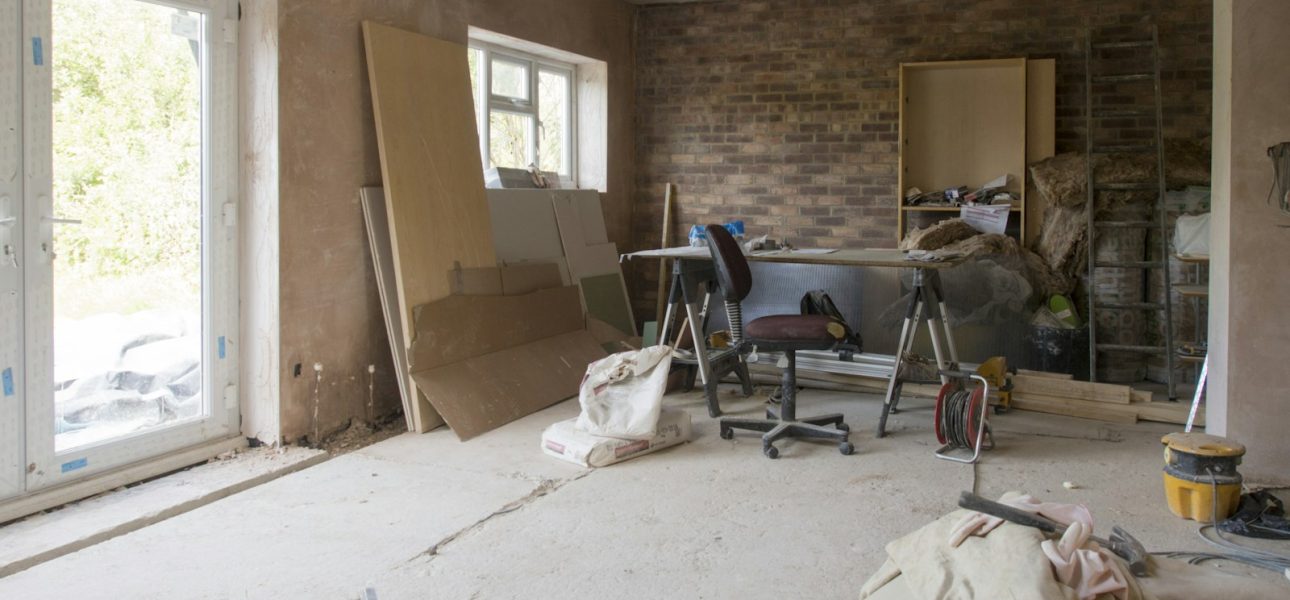
Quick answer: In Texas, a flip in a mapped flood zone can trigger floodplain rules that change your scope, budget and timeline. In Houston, a rehab whose cost equals or exceeds 50% of the structure’s market value in certain flood zones can require the entire building to be brought into compliance, so check flood status and scope before you close.
Key takeaways
- Floodplain status is a pre-contract item, not a post-closing surprise, on Texas flips in Houston and other flood-prone areas.
- Houston’s Chapter 19 defines substantial improvement at 50% of the structure’s pre-improvement market value in Zones A, AO and AE.
- Permit timing, elevation certificates and inspection sequencing should be built into the draw schedule.
- A clear exit plan, sale or refinance into a rental loan, should be tested against the scope you can actually permit.
Why does flood-zone status matter on a Texas fix-and-flip?
Texas rewards investors who move quickly, but speed without diligence is where flips lose margin. Gulf Coast and Hill Country neighborhoods that look identical on a listing can sit in different flood zones, and that status controls what you can build, what you must elevate and what inspections you must pass.
For a rehab investor the practical effect is simple. A cosmetic update inside the existing footprint is one project. A large remodel in a regulated flood zone is another. The second one can add engineering, certificates and inspections that a typical flip budget never anticipated.
Bancaverse arranges bridge and rehab financing for investors through private lenders. We do not lend from our own balance sheet, and we do not quote rates or terms in articles. What we can tell you is that a scope-and-permit plan built early is the single most useful document you can bring to a lender conversation.
What is the 50% substantial-improvement rule in Houston?
The City of Houston’s Chapter 19 floodplain ordinance defines a substantial improvement as any reconstruction, rehabilitation, addition or other improvement whose cost equals or exceeds 50% of the market value of the structure before the improvement starts.[1] The Houston Permitting Center states that when a project is a substantial improvement and the property is in Zone A, Zone AO or Zone AE, the entire structure, not just the new work, must be brought into compliance.[1]
That sentence matters for flippers. If you buy a dated bungalow at a discount and plan a deep gut renovation, your cost-to-value ratio can approach the threshold faster than you expect. Cross it in a regulated zone and the budget conversation changes from finishes to elevation and compliance.
The same page lists the documents reviewers ask for: a building permit application, a cost estimate signed by an engineer or architect, a notarized owner or contractor estimate, or a licensed appraiser’s report, plus an elevation certificate showing the structure is compliant or will be elevated.[1] Plan time and fees for these items in your pre-closing checklist.
How do you check flood status before you go under contract?
Start with the address, not the neighborhood. Pull the FEMA flood map designation, then confirm with the local floodplain administrator whether the city or county applies stricter local rules than the federal minimum. Ask whether prior permits, elevation certificates or flood claims exist for the property.
Next, price the scope against the threshold. Get a contractor bid, estimate the structure’s market value excluding land, and calculate where the project falls relative to the 50% test. If it is close, consider phasing or trimming scope, or walking away from the deal.
Finally, document everything. Lenders and title partners will ask for the same facts you are gathering, and a tidy file speeds the process.
How do flood and permit risks differ across Houston, San Antonio and Dallas–Fort Worth?
Each metro has its own permitting portal, floodplain administrator and inspection rhythm. The table below is a diligence guide, not a rule summary; confirm specifics with the local authority for your address.
| Market | First diligence question | Where to look first |
|---|---|---|
| Houston / Harris County | Is the lot in Zone A, AO or AE, and does the scope approach 50% of structure value? | Houston Permitting Center floodplain pages and the FEMA map |
| San Antonio / Bexar County | Does the parcel sit in a mapped floodplain or any special overlay that adds review? | City development services and county floodplain administrator |
| Dallas–Fort Worth | Which city or county is the permitting authority for the parcel, and is there floodplain or drainage review? | The specific city’s permit portal and floodplain office |
| Texas Gulf Coast suburbs | Do local rules add elevation requirements beyond the federal minimum? | Municipal or county floodplain administrator |
How should you sequence permits and rehab draws?
Rehab loans commonly release funds against completed work, so inspection timing becomes cash-flow timing. If your scope requires elevation certificates at multiple stages, such as pre-construction, pre-fill and finished construction as the Houston pages describe, build those dates into the schedule before you commit to a short hold period.[1]
A sensible draw plan front-loads permits and any structural or elevation work, then moves to systems and finishes. It also leaves a contingency line for the unknowns that old Texas housing stock tends to hide: foundation repairs, outdated electrical and drainage issues.
If you are weighing foreclosure-auction purchases, read our guide to Texas foreclosure auction RTL and bridge loans, because auction timelines leave even less room to diligence flood status.
Scoping a Texas rehab right now? Share your address, scope and timeline and we will help you pressure-test the financing structure before you commit. Schedule a call.
What do appraisers and buyers look at on a flooded-risk flip?
Appraisers compare your finished home to similar sales, and buyers’ agents and insurers ask about flood history. A property in a mapped flood zone can carry insurance costs and disclosure obligations that affect how buyers value it. That does not make these deals bad; it means the resale price you assume should reflect what a buyer will actually pay after insurance quotes come in.
Compare your projected after-repair value to recent sales of finished homes in the same flood status, not just the same school zone. If the comps are thin, discount your confidence in the exit.
Investors who track several states can contrast this with Florida exit timing and resale cooling, where insurance and condition issues also shape resale outcomes, and with Georgia rehab draw schedules.
What are the local Texas details worth knowing?
Houston investors should know that city rules and Harris County rules can differ, so the same street may fall under different authorities depending on whether the parcel is inside city limits. San Antonio and Bexar County projects can add review for parcels near sensitive environmental features, and DFW is a patchwork of many municipalities, each with its own permit process.
The practical lesson is to identify the permitting authority first. Then read the floodplain section of their handbook, call the floodplain office, and write down who told you what. For market context, our city pages cover Houston, San Antonio and Dallas–Fort Worth.
Should you plan a rental refinance as the exit?
Many Texas investors pair a rehab loan with a long-term rental exit. That strategy works best when the rehab produces a property that qualifies on its own cash flow, covering taxes, insurance and debt service. Flood insurance, where required or prudent, belongs in that calculation from day one.
Running both exits, sale and refinance, protects you if the market shifts. If resale slows, a stabilized rental can carry the property. If rents soften, a sale may be cleaner. The point is to underwrite the downside before you buy.
What goes in a pre-closing checklist for a Texas flip?
Use a short, repeatable checklist. Confirm the flood zone and local overlay. Get a written scope with contractor pricing. Estimate structure value for the 50% test. Identify permit, elevation certificate and inspection requirements. Obtain insurance quotes that reflect flood status. Model both exits with realistic hold times.
If any item is unknown, treat it as a risk with a dollar value attached, not a blank space on the spreadsheet.
Frequently asked questions
Does every Texas flip need an elevation certificate?
No. Requirements depend on the location, the flood zone and the scope of work. Houston’s substantial-improvement pages describe elevation certificate steps for projects in regulated zones, but your specific parcel and permit authority decide what applies.
What does “substantial improvement” mean for my budget?
In Houston, it means a project whose cost equals or exceeds 50% of the structure’s market value before the work starts, in zones the ordinance covers.[1] Crossing it can require the whole structure to be brought into compliance.
Can I phase the work to stay under the threshold?
Be careful. Regulators may look at the overall project, and splitting scope to avoid review can create problems. Ask the floodplain office how they treat phased work before you plan around it.
Does Bancaverse lend on Texas flips?
Bancaverse is a private credit platform and brokerage. We arrange business-purpose loans through private lenders and never lend from our own balance sheet. Availability depends on the deal and the lender.
How early should I involve a lender?
Before you go under contract if possible. A clear scope, permit plan and exit strategy helps the right lender evaluate the deal quickly.
Is flood insurance required on a flip?
It depends on the property, the lender and the buyer’s financing. Get quotes during diligence so the cost does not surprise you or your end buyer.
Bancaverse can help you get private capital for your residential real estate project.
References
- City of Houston, Houston Permitting Center, Floodplain remodel/repair/conversion and substantial improvement guidance (HPWFMO1012), https://houstonpermittingcenter.org/hpwfmo1012. Accessed November 16, 2026.
This article is educational and is not legal, tax, insurance or investment advice. Bancaverse arranges loans through third-party lenders and does not lend from its own balance sheet.