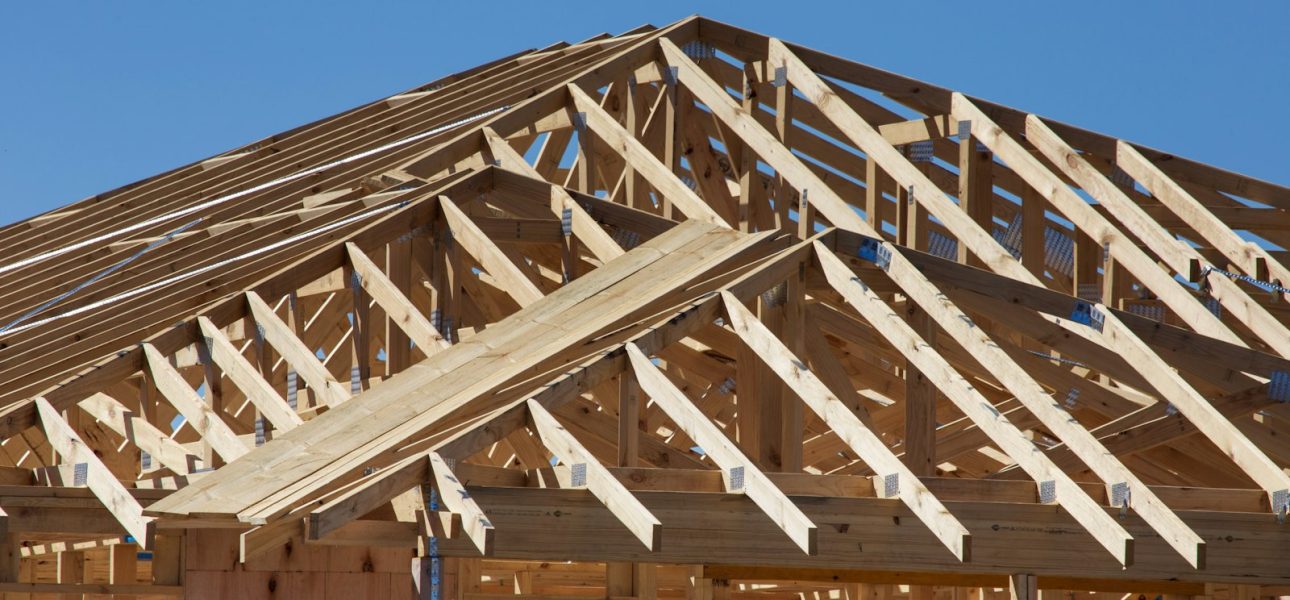
Quick answer: In Tennessee, a mechanics’ lien attaches from the visible commencement of operations, and site preparation such as clearing and grading does not count. That makes the sequence of your first physical work, your recorded loan documents and your draw schedule a core part of any construction loan plan, one that should be reviewed with your title company and counsel.[1]
Key takeaways
- Tennessee’s lien statute says a lien attaches and takes effect from the time of visible commencement of operations, and it lists work like demolition, surveying, excavating, clearing, filling and grading as not qualifying.[1]
- If all operations cease for more than 90 days and then visibly resume, later labor and materials attach only from the visible resumption.[1]
- A prime contractor who files a notice of lien within 90 days after completion or abandonment can backdate priority to when work began, according to a Tennessee law firm summary, while an owner’s notice of completion shortens deadlines.[2]
- Banks reported tighter standards and weaker demand for construction and land development loans in the Fed’s October 2026 survey, so builders should line up a second financing path early.[3]
Why does lien law matter to a Tennessee construction loan?
A construction lender is concerned about two things at once: the building getting finished, and the security for its loan staying in the right position as the work happens. Mechanics’ and materialmen’s lien rights belong to the people who build the project, and the way those rights attach can affect everyone else in the capital stack.
That is why Tennessee builders, whether they are putting up townhomes in Nashville, infill houses in Chattanooga or small commercial in Knoxville, should treat the first day of work as a legal and financing event, not just a construction milestone.
Bancaverse is a private credit platform and brokerage. We arrange construction and takeout financing through private lenders and do not lend from our own balance sheet. We are not a law firm, and nothing here replaces advice from Tennessee counsel or your title company.
What counts as visible commencement in Tennessee?
The statute provides that a lien attaches and takes effect from the time of the visible commencement of operations.[1] It excludes preparatory work such as demolition, surveying, excavating, clearing, filling or grading, as well as certain utility lines, temporary security fencing and the delivery of materials.[1]
The consequence for planning is that a lot of early site work may not start the lien clock, but the first qualifying visible operation, such as foundation or structural work, may. Builders and lenders both care about that date, so coordinate it with your title company before you mobilize.
The statute also contains a cessation rule. If operations stop on site for more than 90 days and then visibly resume, labor and materials furnished afterward attach only from the resumption.[1] A stalled project therefore has legal as well as financial consequences.
One caution: the code text we reviewed is the 2021 version, and the publisher notes it may not be current. Confirm the present statute and how it interacts with your recorded deed of trust with counsel. The sources we reviewed do not resolve priority against a lender’s deed of trust, so we make no claim about it here.
What are the lien deadlines builders and owners hear about?
A 2020 summary by Butler Snow describes several time limits, which you should verify against the current statute.[2] For a prime contractor, filing a notice of lien within 90 days after the improvement is completed or abandoned backdates priority to when work began, and the lien expires one year after completion or abandonment unless suit is filed.[2] If an owner files a notice of completion, the summary says prime and remote contractors must file their notices of lien within 30 days, with a shorter window described for residential projects.[2]
You do not need to memorize these dates. You do need a closeout checklist that includes lien waivers, notices and a title update before the last draw and before the takeout lender funds. Missing that checklist is a common reason takeouts get delayed.
How should you structure draws around lien risk?
Construction loans are typically funded in draws against completed work, with inspections and lien waivers supporting each request. The goal is to keep payments, waivers and progress aligned so that nobody holds unpaid lien rights that could cloud title.
| Draw practice | Why it helps | Tennessee note |
|---|---|---|
| Conditional and unconditional lien waivers with each draw | Documents that payees have been paid | Collect from the prime contractor and significant subs |
| Title date-down before each draw | Shows no new liens or encumbrances have appeared | Ask the title company how they treat visible commencement |
| Inspector sign-off on percent complete | Prevents paying ahead of the work | Align inspections with local building department milestones |
| Retainage on contractor payments | Keeps leverage until closeout | Confirm retainage terms in the construction contract |
| Written change-order approval | Controls budget creep | Update the loan budget when scope changes |
Planning a Tennessee ground-up build? Send us your budget, schedule and takeout plan and we will help you match them to construction financing options. Schedule a call.
How does the financing market look for builders right now?
The Federal Reserve’s October 2026 Senior Loan Officer Opinion Survey reports that banks tightened lending standards on net for construction and land development loans and reported weaker demand for them.[3] That is a national picture, and individual banks differ. For a Tennessee builder it means a bank construction loan may be harder to line up on a tight schedule, and private construction capital is worth pricing in parallel.
Private construction lenders generally focus on the project: budget, plans and permits, contractor strength, the sponsor’s track record and the exit. If you can show those clearly, a conversation is easier. We do not quote rates or terms in articles.
What takeout paths should a Tennessee builder plan?
The takeout depends on what you build. For-sale homes and townhomes usually exit by sale. Rental or build-to-rent projects usually exit by refinancing into a permanent loan, which requires leasing evidence and a certificate of occupancy. Mixed or commercial projects have their own stabilization tests.
Start with the takeout and work backward. If your exit is a rental refinance, find out what the permanent lender will need in terms of occupancy and documentation, and make sure your construction loan term and extension options cover the time to get there. Our Texas guide to build-to-rent construction and takeout financing works through that sequence for rental communities.
How do Middle Tennessee and other markets compare?
Middle Tennessee has seen a lot of land and lot development, and we cover that side in our article on horizontal development loans in Murfreesboro and Clarksville. Vertical builders who buy finished lots from those developers sit one step later in the same chain, and they care about the same permit, utility and inspection milestones.
Builders who operate in more than one state can compare approaches. Georgia’s industrial corridor has different construction risks, which we discuss in spec industrial construction loans near Savannah. For general market context in Nashville, see our Nashville investment property loans page.
What should be in your construction loan package?
Prepare a package a lender can evaluate quickly. Include plans and permits, a line-item budget with contingency, the construction contract and contractor qualifications, a project schedule, evidence of the sponsor’s equity, and an exit plan with market support. Missing items slow review and signal risk.
Also prepare for insurance. Builder’s risk coverage is a standard requirement, so get quotes early and confirm the policy period matches your schedule.
What are the biggest risks to stress-test?
Three things hurt construction projects most: cost overruns, schedule delays and a weaker market at completion. Tennessee builders should test each, along with a pause in work that could trigger the 90-day cessation rule discussed above.[1]
If your project only works when everything goes right, add contingency, reduce leverage or find a better deal. A conservative plan is easier to finance and easier to survive.
Frequently asked questions
When does a mechanics’ lien attach in Tennessee?
The statute says from the time of visible commencement of operations, excluding listed preparatory work such as demolition, surveying, excavating, clearing, filling or grading.[1] Confirm the current text with counsel.
What happens if work stops for a long time?
If all operations cease at the site for more than 90 days and then visibly resume, later labor and materials attach only from the visible resumption.[1]
Does Bancaverse make construction loans?
No. Bancaverse is a brokerage and private credit platform that arranges construction financing through third-party lenders and does not lend from its own balance sheet.
Are banks lending on construction right now?
Some are, but the Federal Reserve’s October 2026 survey reports tighter standards and weaker demand for construction and land development loans, so availability varies by bank.[3]
How do lien waivers work with draws?
Lenders typically require waivers from contractors and major subcontractors with each draw, supported by inspections and a title update. Requirements vary by lender.
Should I talk to a lawyer about lien priority?
Yes. Lien priority and notice requirements are legal questions that depend on your documents and the current statute, so involve Tennessee counsel and your title company.
Bancaverse can help you get private capital for your commercial real estate project.
References
- Justia, Tennessee Code section 66-11-104 (2021), https://law.justia.com/codes/tennessee/2021/title-66/chapter-11/part-1/section-66-11-104/. May not be the current version.
- Butler Snow, Deadlines for Construction-Based Mechanics’ Liens: Tennessee (May 6, 2020), https://www.butlersnow.com/news-and-events/deadlines-for-construction-based-mechanics-liens-tennessee-2. May predate later amendments.
- Board of Governors of the Federal Reserve System, The October 2026 Senior Loan Officer Opinion Survey on Bank Lending Practices, https://www.federalreserve.gov/data/sloos/sloos-202610.htm. Accessed November 16, 2026.
This article is educational and is not legal, tax or investment advice. Bancaverse arranges loans through third-party lenders and does not lend from its own balance sheet. No returns are promised or implied.