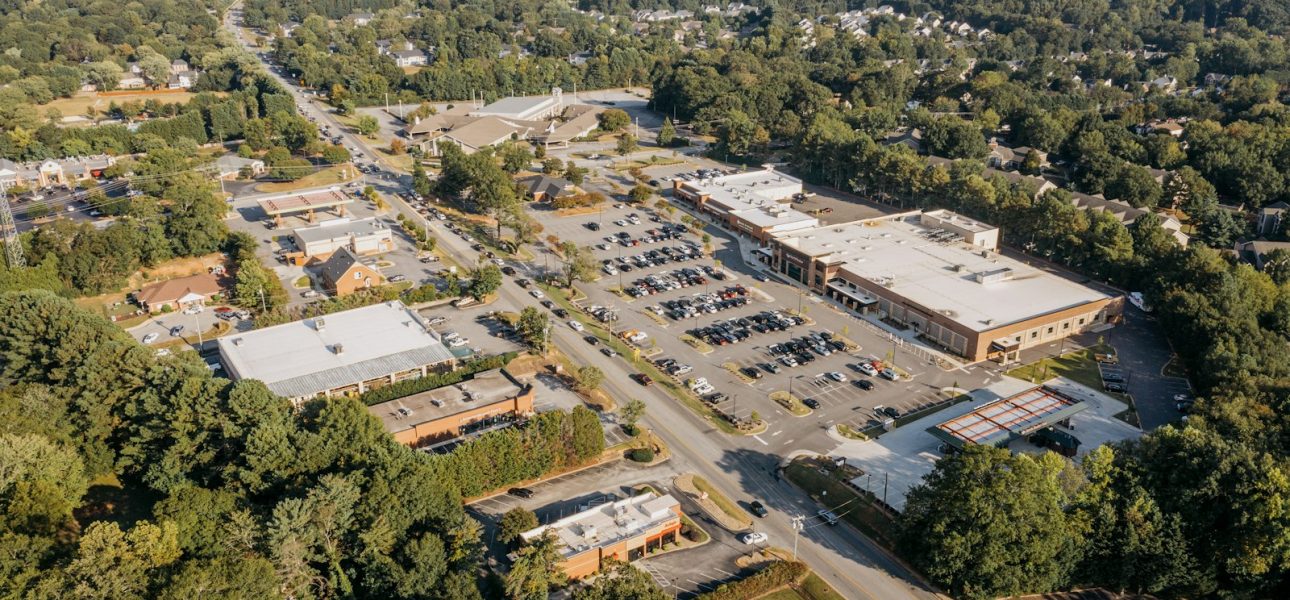
Quick answer: A Texas owner of a retail center, industrial building or flex property who faces a loan maturity without a ready refinance can use a commercial bridge loan to pay off the existing lender, buy time to re-lease or stabilize the asset and then refinance into longer-term debt. Capital partners look at the property’s cash flow, the sponsor’s plan and the realistic exit, and the strongest files start the conversation well before the maturity date.
Key takeaways
- The Mortgage Bankers Association estimates that $875 billion, or 17%, of outstanding commercial and multifamily mortgages mature in 2026, which is 9% less than the volume that matured in 2025.
- Maturity risk is not limited to one property type; MBA’s breakdown shows hotel, industrial, office, healthcare and multifamily balances all carry meaningful 2026 maturities.
- A bridge loan can solve a timing or leverage gap, but only if the business plan explains how the property will qualify for a refinance within the bridge term.
- Retail, industrial and flex properties are underwritten on tenancy and lease terms, so a tenant roster and lease abstract are core parts of the file.
How big is the 2026 maturity wall, and what does it mean for Texas owners?
The Mortgage Bankers Association’s 2025 Commercial Real Estate Survey of Loan Maturity Volumes, published in February 2026, reports that $875 billion, or 17%, of the $5.0 trillion in outstanding commercial mortgages is scheduled to mature in 2026, down 9% from $957 billion in 2025, as summarized in the MBA maturity volume release. By property type, MBA shows hotel and motel loans at 30% maturing, industrial at 23%, office at 17%, healthcare at 15% and multifamily at 13%. These are national figures for the United States and do not break out Texas, so they should be read as context and not as a Texas forecast.
Even so, the picture matters for any Texas owner. Loans originated in a different rate and valuation environment may need to be repaid or refinanced when the property’s income, appraised value or the lender’s appetite no longer match the original assumptions. The practical consequence is a refinance gap: the new lender may offer less than the old balance, or may want a higher occupancy or a longer lease term than the property currently has.
Bancaverse is a private credit platform and brokerage. We arrange commercial bridge loans from capital partners and we do not lend from our own balance sheet. We cannot promise outcomes, but we can help owners understand their options early. For a deeper look at the state’s picture, see our 2026 Texas CRE maturity wall refinance and bridge-debt playbook.
What options does an owner have when a loan matures?
An owner with a maturing loan generally has four choices, and a good plan compares them side by side.
- Negotiate an extension with the existing lender. Lenders sometimes agree to extend if the borrower pays down principal, adds reserves or demonstrates leasing progress. This is often the cheapest path if it is available.
- Refinance with a bank, life company or other permanent lender. This works when the property meets the new lender’s occupancy, debt service coverage and sponsor requirements.
- Use a bridge loan. A short-term loan from a capital partner pays off the existing debt and gives time to finish leasing, renovation or repositioning.
- Sell the property. Sometimes the right decision, particularly if the plan to stabilize is weak or the market is poor for the asset.
These options are not mutually exclusive. Many owners ask the existing lender for an extension while simultaneously preparing a bridge or refinance file as a backup, since a lender’s decision can take longer than expected.
What do capital partners look for in a retail, industrial or flex bridge file?
Commercial bridge lenders underwrite the property, the sponsor and the plan. The property-specific questions differ by type.
| Property type | What matters most | Common bridge-loan business plan |
|---|---|---|
| Retail center | Anchor and in-line tenant quality, lease expirations, co-tenancy clauses, sales data where available and the trade area | Re-lease vacant space, renew key tenants, fund tenant improvements and leasing commissions, then refinance |
| Industrial | Tenant credit, lease length, rent versus market, clear heights, loading and location relative to highways and ports | Roll below-market leases, complete capital work or lease up a vacancy, then refinance or sell |
| Flex and small-bay | Tenant diversity, rollover schedule, parking and zoning flexibility | Stabilize occupancy, fund common-area and unit upgrades, then refinance |
For all three, the rent roll and lease abstract are central. A lender wants to know who the tenants are, when their leases end, what they pay, whether any have termination or co-tenancy rights and how much capital is needed to retain or replace them. If you can show signed leases or credible letters of intent for vacant space, include them.
How do DFW, Houston, San Antonio and Austin differ?
Texas is not one commercial market, and a sponsor should explain the local story in the file. The summary below is a diligence framework and not a forecast.
| Market | Questions to answer in the file |
|---|---|
| Dallas-Fort Worth | Which submarket and corridor, what competing supply is nearby, how diversified the tenant base is and how the property compares with new-construction alternatives |
| Houston | Tenant concentration in energy or related industries, flood-zone and drainage conditions, and access to major freight and highway routes for industrial |
| San Antonio | Local and military-related demand, the strength of the specific trade area for retail and the lease profile of local operators |
| Austin | Pace of new supply, tenant mix and how rents compare with the market for the specific submarket |
How should you plan the bridge business plan and exit?
A bridge loan is only as good as the exit. Start by identifying what the permanent lender will require, such as an occupancy level, a debt service coverage ratio or a minimum remaining lease term, and then work backward to see whether your plan can reach it before the bridge loan matures. Include a timeline for each milestone, such as signing a lease, completing tenant improvements and delivering a stabilized rent roll.
Then stress the plan. What if leasing takes six months longer than expected? What if a key tenant leaves? What if the permanent lender offers less than the bridge balance? Consider whether you could bring additional equity, extend the bridge or sell if needed. Capital partners are more comfortable with a sponsor who has already asked these questions.
Facing a Texas loan maturity in the next twelve months? Send us the maturity date, the rent roll, the operating statements and your plan, and we will tell you how capital partners are likely to view the file. Schedule a call or start an application.
When is a bank better than private credit?
Private credit is not always the right answer. If the property is stabilized, the sponsor has a strong banking relationship and the timeline is comfortable, a bank or other permanent lender may offer a better overall outcome. Private credit makes the most sense when the timeline is short, the property is in transition, the bank’s concentration limits or credit policy do not fit the deal, or the structure needs flexibility. For a comparison in two other states, see our guides to private credit versus bank loans in Tennessee and in Ohio, which explain the trade-offs in detail.
Because each deal is different, compare the true cost of each route. Include fees, interest, reserves, legal and third-party costs, extension terms and prepayment provisions, and weigh them against the cost of a failed refinance or a forced sale.
What are the risks of waiting?
The biggest risk is time. A lender that expects repayment at maturity may be less flexible once the date is close, and a new lender needs time for appraisal, environmental review, title and underwriting. An owner who begins preparing six to twelve months before maturity has more options than one who starts six weeks out. If the property is already in default or approaching it, speak with an attorney and engage early with the existing lender about the available paths.
Another risk is a plan that depends on a single event, such as one large lease signing or one favorable appraisal. Where possible, build a plan that can succeed under several outcomes. For a sponsor with multiple assets, it can also help to look at the whole portfolio, since a lender may be willing to consider a coordinated solution. Our pillar guide to bridge loans for multifamily in Texas, Tennessee, Kentucky and Georgia explains how bridge financing works for another property type that faces similar refinance questions.
What documents should you have ready?
A complete commercial bridge file usually includes the existing loan documents and maturity date, a current rent roll and lease abstracts, twelve to twenty-four months of operating statements, a trailing twelve-month summary, a property description with photographs and any recent appraisal or broker opinion of value, a budget for capital improvements and tenant work, a business plan and timeline, sponsor financial statements and track record, an entity chart and the lender’s payoff statement if available. Terms and availability vary by sponsor, property and capital partner.
Frequently asked questions
What is a commercial bridge loan?
A short-term loan, usually with an interest-only period and extension options, that pays off an existing loan or funds an acquisition and gives the owner time to stabilize the property before refinancing or selling.
Can I get a bridge loan on a partially vacant retail or flex property?
Often yes, because bridge lenders underwrite the business plan as well as in-place income. The plan for leasing the vacancy is central.
How early should I start planning a refinance?
As early as possible. Six to twelve months before maturity leaves room to compare an extension, a refinance and a bridge loan.
Is the 2026 maturity wall a Texas statistic?
No. The Mortgage Bankers Association figures cited here are national. They provide context for the refinance environment, not a forecast for any Texas property.
Can Bancaverse promise approval or specific terms?
No. Bancaverse arranges financing from capital partners, and terms depend on the property, the sponsor and the lender.
Does Bancaverse lend its own money?
No. Bancaverse is a private credit platform and brokerage that arranges financing from capital partners.
References
This article is educational, not legal, tax or investment advice. The statistics cited are national and are provided for context. Terms and availability vary by property, sponsor and capital partner.
Bancaverse can help you get private capital for your commercial real estate project.