Texas Land Development Loans and MUD Reimbursements: How Horizontal Development Is Financed in Houston, Austin, and San Antonio
Quick answer: Texas developers typically finance horizontal development, the roads, utilities, and lots, with a land development loan, then rely on lot sales, builder takedowns, and in many projects reimbursement from a municipal utility district (MUD) or similar entity for eligible infrastructure costs. Because reimbursement timing is uncertain, lenders usually underwrite the project on its lot-sale cash flow and treat reimbursements as upside unless the documentation supports more.
Key takeaways
- A land development loan funds infrastructure and lot creation, and it is repaid mainly from lot sales to builders, often through release payments as lots close.
- MUDs and similar districts can reimburse developers for eligible water, sewer, and drainage costs, but the money arrives after approvals and bond sales, not at the start of the project.
- Lenders focus on entitlements, builder demand, infrastructure cost, and the developer’s track record, and they stress-test the timeline.
- A clear takeout plan, which is lot sales, builder contracts, or a refinance, is the main factor that keeps a development loan from stalling.
What is horizontal development, and why is it a growing financing need in Texas?
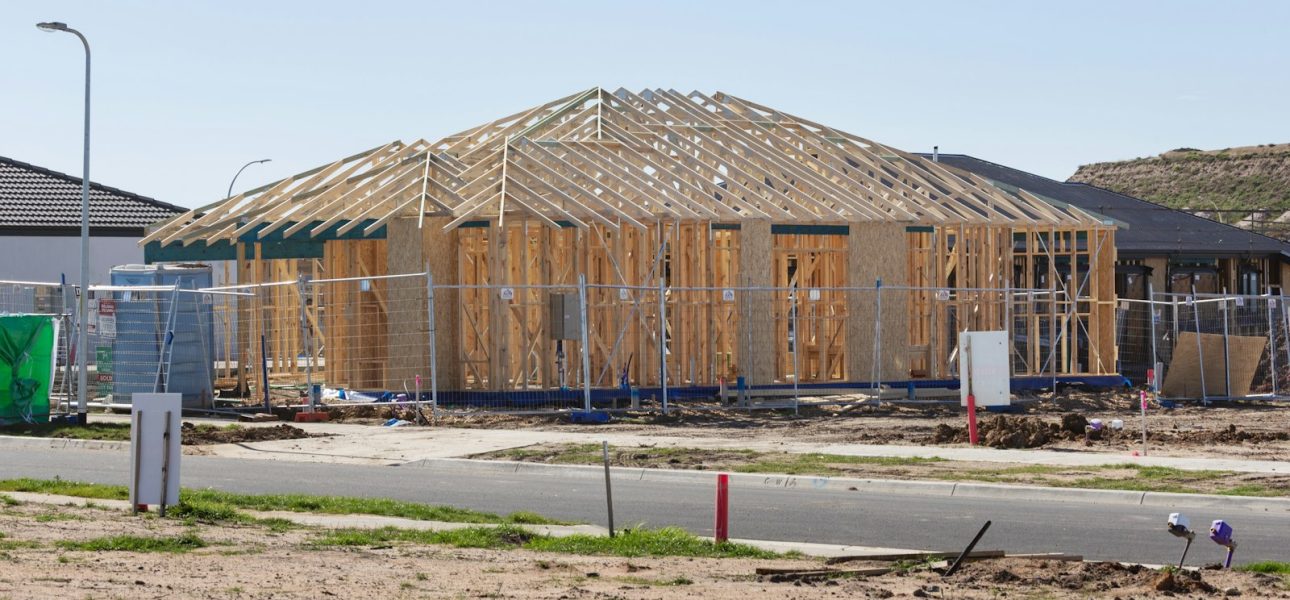
Horizontal development means preparing raw land for vertical construction: grading, streets, water and sewer lines, drainage, utilities, and finished lots. Home builders generally buy finished lots rather than raw acreage, which leaves land developers to carry the cost and risk of getting the land ready.
Texas has been one of the country’s most active markets for new residential communities. Growth in Houston, the Austin corridor, San Antonio, and the Dallas-Fort Worth region keeps builders looking for lots, and developers looking for capital. That capital need is large and front-loaded: infrastructure costs are incurred long before the first lot sells.
Bancaverse is a private credit platform and brokerage. We arrange land development and construction financing through capital partners, and we never lend from our own balance sheet. Terms depend on the project, the sponsor, and the lender, and we do not publish pricing in articles.
What is a MUD, and how does it affect development financing?
A municipal utility district is a special-purpose district created under Texas law to provide water, sewer, and drainage service in areas that might not otherwise be served by a city. Developers often form or work with a MUD in newly developing areas, and the district can issue bonds to pay for infrastructure that benefits the community.[1]
The practical mechanics matter for lenders. In a common structure, the developer builds the infrastructure first and pays for it up front. After the work is completed, inspected, and approved, the district may reimburse the developer for eligible costs, funded by bonds that are in turn repaid by property taxes on the homes in the district.[1] The district’s bond sales usually happen in phases as the tax base grows. That means reimbursement follows development rather than preceding it.
Why does reimbursement timing matter to a lender?
Because the money is not available on day one. A development loan has a maturity date, interest and fees accrue every month, and the reimbursement may arrive in installments over several years, depending on approvals and bond market conditions. If a lender relied on reimbursements to repay the loan and the timing slipped, the loan could mature before the cash arrived. For that reason, lenders often underwrite on lot sales alone and treat reimbursements as a source of liquidity that may help repay or reduce the loan later.
What about public improvement districts?
Some Texas projects use public improvement districts or similar assessment-based structures instead of, or in addition to, a MUD. The principle is similar: infrastructure costs may be financed through assessments paid by property owners in the district, which can reduce what the developer needs to fund up front. The specifics depend on the municipality and the project’s agreements, so counsel and a municipal advisor should review the structure.
How does a land development loan work?
- Land acquisition. Some loans fund the purchase of the land; others are structured after you own it.
- Infrastructure budget. Costs for roads, utilities, drainage, grading, and entitlements are funded through draws as work is completed.
- Lot sales and releases. As lots are sold to builders, the lender releases the lot from its lien in exchange for a set payment, so the loan balance declines as the project sells out.
- Payoff. The loan is retired from lot sale proceeds, a refinance, or, where applicable, reimbursements.
Those release payments are the heart of the structure. A lender’s collateral shrinks as lots are released, so it wants to be sure each release moves the project closer to payoff and not further from it.
How do Houston, Austin, and San Antonio compare for developers?
| Region | Common development structure | What lenders look at |
|---|---|---|
| Greater Houston (Fort Bend, Montgomery, Harris and surrounding counties) | Master-planned communities, frequent use of MUDs for utilities and drainage | Drainage and floodplain, MUD approvals and reimbursement schedule, builder contracts |
| Austin corridor (Hays, Williamson, Travis and surrounding counties) | MUDs and other special districts, strong builder demand in growth corridors | Water availability, entitlement timeline, environmental and permitting constraints |
| San Antonio and surrounding counties | Mix of MUDs, public improvement districts, and city-served projects | Utility service agreements, aquifer-related requirements, builder demand |
Use this as a framework for diligence, not as a market forecast. Entitlement paths differ by city and county, and your attorney and engineer should confirm the specifics for your site.
Planning a Texas lot development? Share your site plan, budget, and builder interest and we will tell you how lender partners are likely to structure the loan. Schedule a call.
What do lenders underwrite on a Texas land development deal?
- Entitlements and approvals. Zoning, plat status, utility service commitments, and any MUD or PID approvals. Approved is far better than pending.
- Builder demand. Signed lot purchase contracts, letters of intent, or a track record of builder takedowns. A project with committed builders is easier to finance than a speculative one.
- Infrastructure budget. Engineer-prepared cost estimates, bids, and contingency. Cost overruns are a primary risk.
- The developer. Experience with comparable projects, liquidity, and the strength of the team, including the engineer and general contractor.
- The exit. Lot absorption assumptions and the pace of takedowns. Lenders typically test what happens if lots sell more slowly than planned.
What risks should Texas developers plan for?
Cost and schedule risk
Weather, supply chain delays, and permitting can slow work. Build contingency into the budget and the timeline, and ensure the loan term leaves room for delay.
Absorption risk
If builders slow their purchases, the carrying costs of an unsold lot inventory build up. Staggered phases, with infrastructure built in sections as lots sell, help manage this risk.
Reimbursement risk
As described above, MUD or PID reimbursement is not guaranteed on a fixed schedule. Treat it as an additional source of liquidity and not as the project’s only repayment source.
Environmental and drainage risk
Floodplain, wetlands, and drainage requirements can change the lot count and the cost. Complete environmental and drainage studies early.
How does Texas land development compare with other states?
Developers who work across the Southeast often compare structures. Tennessee has its own approach to finished-lot financing, which we covered in our guide to horizontal development loans in Middle Tennessee. Developers who plan to move from lots to vertical construction should read how construction and takeout financing works for Texas build-to-rent communities, and our guide to Georgia build-to-rent construction loans shows a comparable path in another state.
If you are a builder rather than a land developer, see our overview of spec home construction loans for builders, and if you own the land already, our explainer on using land as a down payment on a construction loan explains how equity in the land is treated.
How should you plan the takeout on a Texas development loan?
A development loan is repaid through one of three routes, and strong projects plan for more than one.
- Lot sales to builders. The primary source. Contracts with takedown schedules, deposits, and builder credit quality all matter.
- Refinance. If lots are selling more slowly than planned, a refinance of the remaining inventory can extend the runway, but it requires the remaining lots to have clear value.
- Reimbursements and other district funding. Where available, these can reduce the loan balance or return capital to the developer, but timing should be treated as uncertain.
Before closing, write down each route and the assumptions behind it. If the plan only works when everything goes right, the structure is too thin.
Who is a good fit for this type of financing?
Land development loans fit developers who have control of a site, a workable entitlement path, and credible builder interest. Newer developers can succeed, but lenders will look for a strong team around them and may require more equity or more pre-sold lots. If you are earlier in your development career, consider partnering with an experienced developer or starting with a smaller phase to build a record. Bancaverse works with sponsors across the spectrum, and we can tell you candidly which lender partners fit your experience level and which structure gives your project the best chance.
Private credit tends to be most useful where a bank’s standard program does not fit the project’s timeline or complexity. It is not a substitute for a sound plan, but for developers with a good one, it can provide speed and flexibility that matter in a competitive land market.
Frequently asked questions
What is a land development loan?
A short-term loan that funds infrastructure and lot creation on raw or partially improved land, usually repaid as finished lots are sold.
What is a MUD?
A municipal utility district is a special-purpose district that can provide water, sewer, and drainage service and finance infrastructure through bonds repaid by property taxes in the district.
Do MUD reimbursements pay off the loan?
They can help, but timing depends on approvals and bond issuance, so lenders usually do not rely on them as the main repayment source.
How are lots released from the loan?
As each lot is sold, the borrower makes a release payment and the lender releases its lien on that lot.
Do I need builders under contract?
It is not always required, but committed builders make the deal easier to finance. Without them, lenders typically want more equity and more conservative assumptions.
Does Bancaverse lend its own money?
No. Bancaverse arranges private capital through lender partners, who determine approval and terms.
References
- Community Impact, MUDs now routine solution for developers: https://communityimpact.com/austin/south-central-austin/real-estate/2024/07/08/muds-now-routine-solution-for-developers
Bancaverse can help you get private capital for your commercial real estate project.
Bancaverse is a private credit platform and brokerage that arranges business-purpose loans. This article is general information, not investment, legal, or tax advice, and is not a commitment to lend. Loan terms and availability vary.