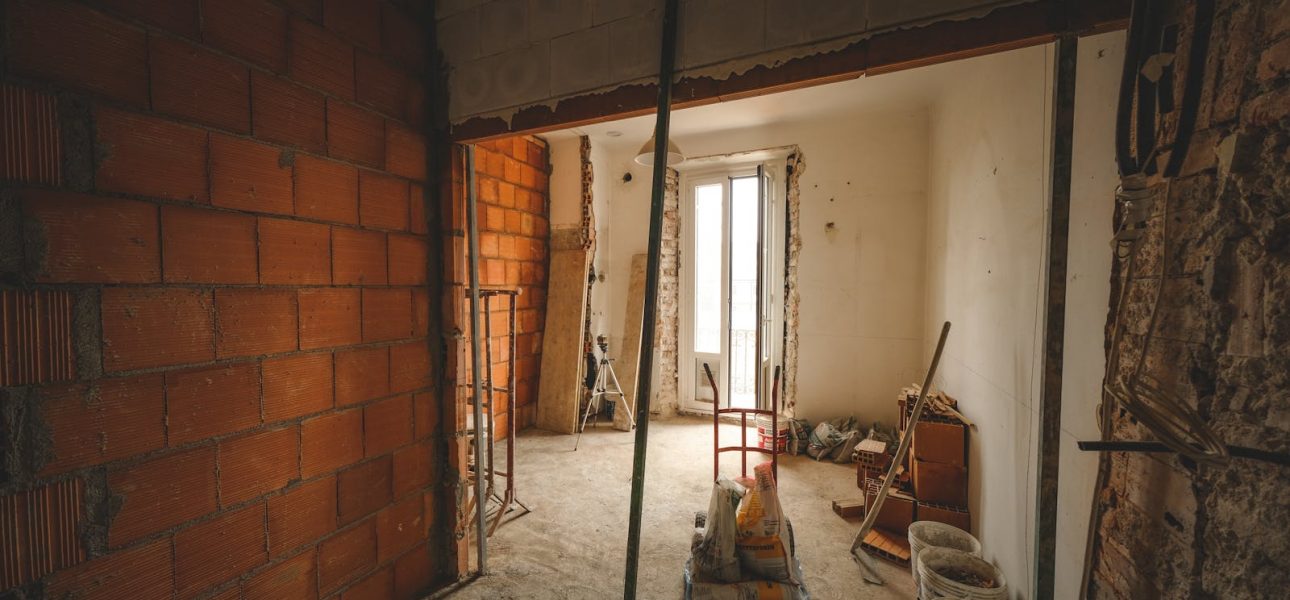
To get a fix and flip loan, you find a deal that pencils, package the numbers a lender cares about (purchase price, rehab budget, and after-repair value), and submit it to a lender that funds purchase plus rehab in draws. Because these loans are underwritten on the deal rather than your income, a new investor with a solid project and adequate reserves can qualify.
⚡ Quick Answer: A fix and flip loan is short-term (6–18 month, interest-only) financing that funds up to ~85–90% of purchase plus 100% of rehab, capped near 70–75% of ARV, with rehab released in draws. Expect 1–3 points and to bring 10–15% of purchase plus reserves. Bancaverse matches your deal to fix-and-flip lenders. Get matched →
Step 1: Understand How a Fix and Flip Loan Works
A fix-and-flip loan is short-term, asset-based capital to buy and renovate a property you intend to resell. The lender sizes the loan on cost and after-repair value (ARV), holds the rehab budget in escrow, and releases it in draws as you complete stages. Term is short and interest-only; the exit is the sale (or a refinance into a rental loan). Our fix-and-flip (RTL) page breaks down typical terms.
Step 2: Find a Deal That Pencils
The math that matters: ARV − purchase − rehab − holding/selling costs − loan cost = profit. Run comps for a defensible ARV, get a real contractor bid for the rehab, and pad both the budget and the timeline. Conservative numbers are what protect you when something slips.
Step 3: Build the Package Lenders Want
- The purchase contract and property details.
- A line-item rehab budget and scope of work.
- Comparable sales supporting your ARV.
- Proof of funds for your down payment, closing costs, and reserves.
- Any track record (helps leverage and pricing; not required for everyone).
Step 4: Know the Numbers You’ll Be Offered
| Term | Typical range |
|---|---|
| Loan term | 6–18 months, interest-only |
| Purchase financing | ~85–90% of price |
| Rehab financing | Up to 100% (in draws) |
| ARV cap | ~70–75% of after-repair value |
| Points | 1–3 |
| Cash to close | ~10–15% of purchase + reserves |
Step 5: Apply and Close
Submit the package, order the valuation, and clear conditions. Clean documentation and a clear exit are the biggest drivers of speed — many flip loans close in 7–21 days. Comparing more than one lender matters because leverage and pricing vary; a brokerage like Bancaverse packages the file once and routes it to lenders whose box fits, with no upfront fee to review the deal. For background, the Investopedia primer on asset-based lending is a useful read; the CFPB covers the business-purpose distinction.
Have a flip under contract? Get matched to a lender →
Frequently Asked Questions
Q: Can I get a fix and flip loan as a first-time investor?
A: Yes. Many lenders fund first-timers with a solid deal, conservative ARV, and adequate reserves. Experience improves leverage and pricing but isn’t always required.
Q: How much money do I need down?
A: Plan on roughly 10–15% of the purchase price, plus closing costs and interest reserves. The rehab is usually financed in draws.
Q: How fast can a fix and flip loan close?
A: Often 7–21 days once the file is packaged and the valuation is in.
Q: What credit score do I need?
A: These are asset-focused, so scores are flexible. Stronger credit and reserves improve terms, but the deal and exit matter most.
Q: What happens if the property doesn’t sell in time?
A: Many lenders offer extensions for a fee. Build a backup exit — such as refinancing into a rental loan — before you start.