Avoid the Multifamily Refinance Gap
How NOI, valuation, debt coverage, interest rates and loan maturity decide whether a refinance can pay off your existing loan.
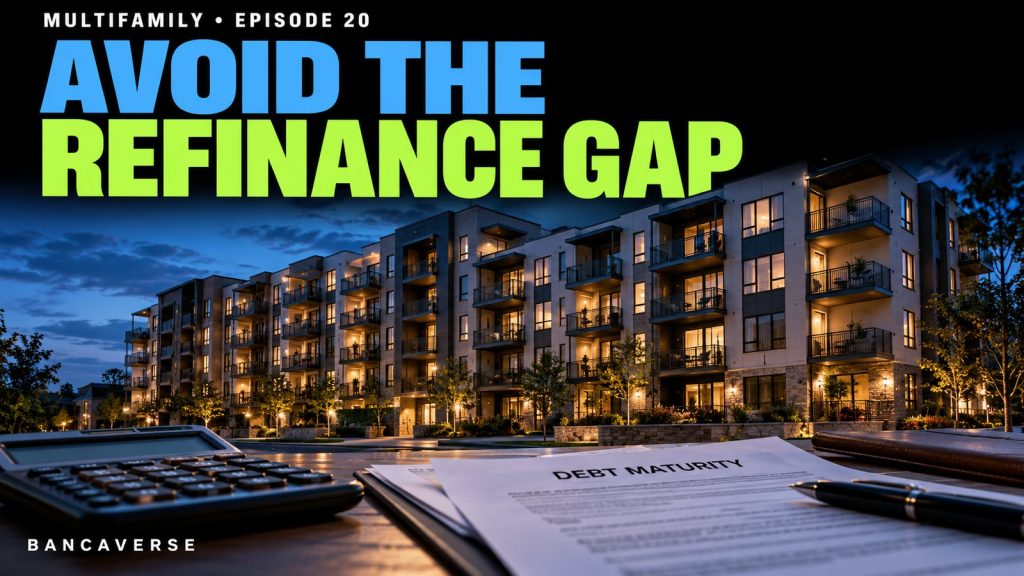
How NOI, valuation, debt coverage, interest rates and loan maturity decide whether a refinance can pay off your existing loan.
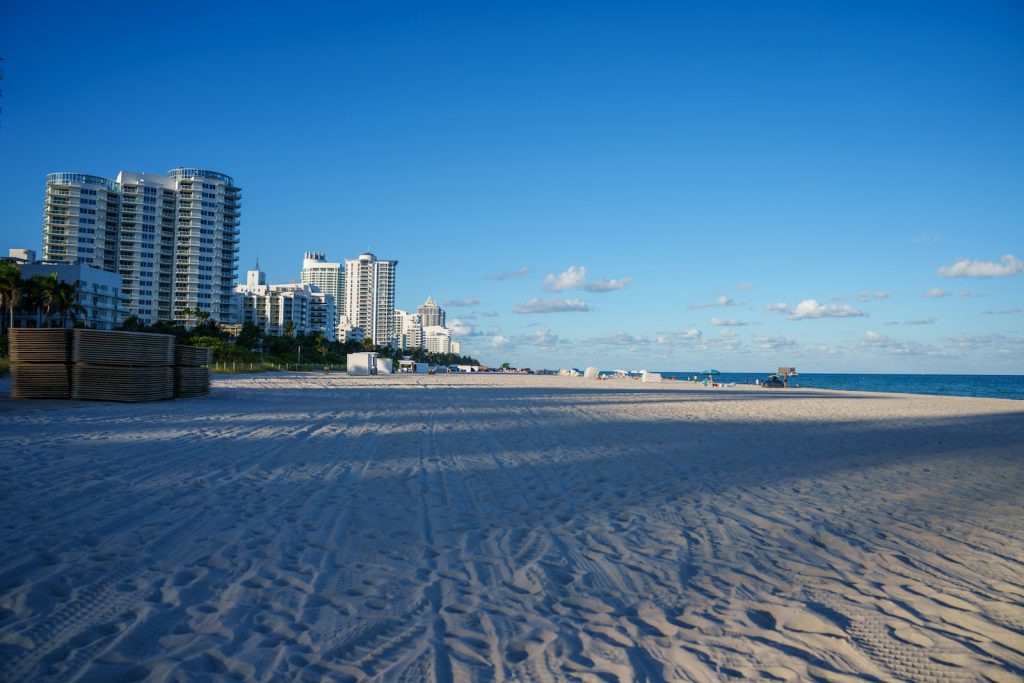
Florida’s post-Surfside condo rules changed what lenders look for in a building. Here is how milestone inspections, structural reserve studies and assessments feed into DSCR underwriting, and how investors can turn the paperwork into an edge.

Columbus and Cleveland multifamily rent growth decelerated in Q2 2026, but net absorption is outpacing a construction pipeline that has nearly stopped. Verified Matthews market-report data on why that combination still supports a bridge-financed value-add strategy.
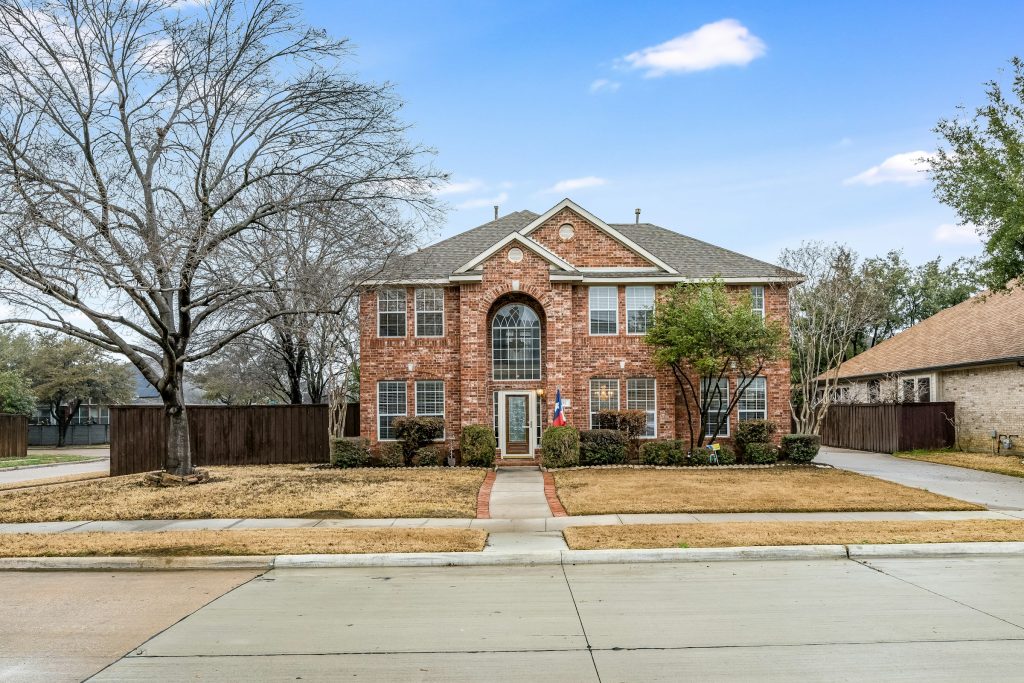
Texas fix-and-flip loans still fund purchase-plus-rehab against ARV, but rising insurance premiums and property-tax reassessment have become real underwriting line items in Houston and San Antonio. Verified Dallas Fed and ATTOM data show what changed and how to budget for it.
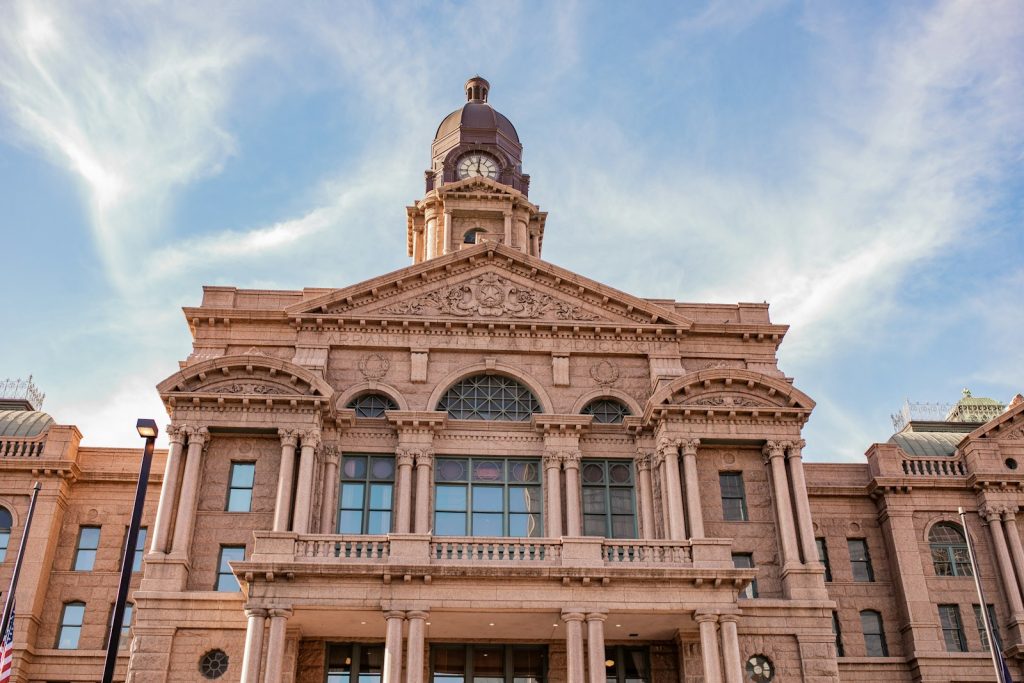
Texas foreclosure sales happen on one day a month, at the courthouse, on a short clock. Here is how investors line up residential transition (RTL) bridge capital before the sale, and which acquisition channels fit which loan.
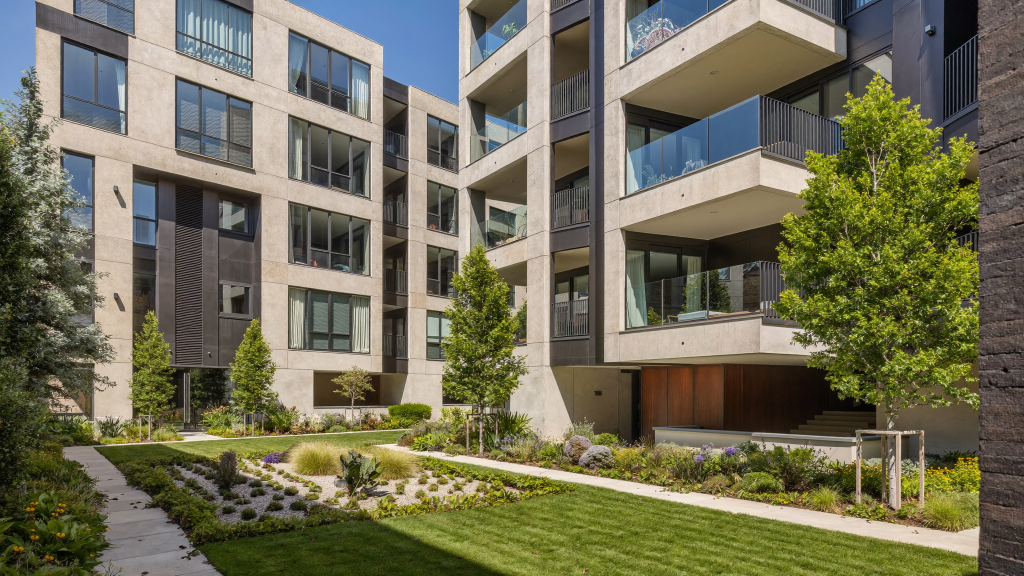
Atlanta’s apartment supply wave is cresting — deliveries down 43% year-over-year — which is reopening the runway for value-add and lease-up multifamily bridge financing.

Nashville has not issued a new non-owner-occupied short-term-rental permit since 2022, while the Smoky Mountains cabin market keeps posting strong revenue growth. Here is how DSCR loan qualification differs for each play, with verified AirDNA and Nashville STR-policy data.

Louisville and Lexington offer buy-and-hold investors an affordable entry point and rising inventory. Here’s how DSCR qualification and Kentucky’s redemption rules shape the deal.

Memphis and Chattanooga fix-and-flip investors are increasingly financing the BRRRR path — bridge to rehab, then refinance into a DSCR hold — as resale prices soften and rents hold steady.
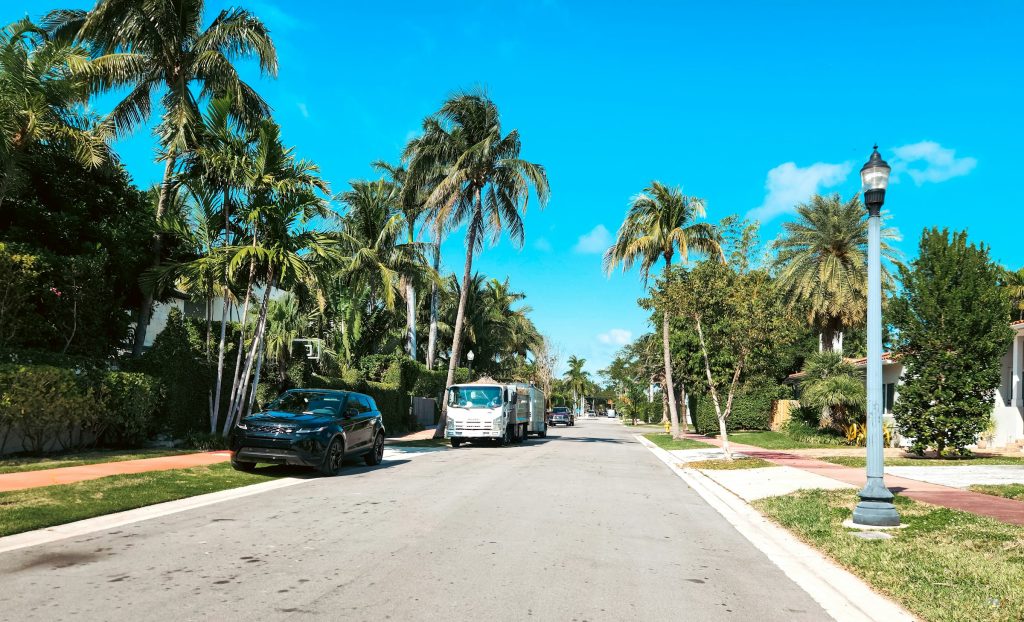
South Florida is one of the busiest investor markets in the country, and the search data backs that up: Miami ranks #2 of 151 US metros for DSCR loan searches and #7 for hard money. Investors here are buying rentals, flipping condos and townhomes, and refinancing out of short-term debt.