DSCR Loan vs Conventional Mortgage: Which Is Better for Rental Property Investors?
A DSCR loan qualifies on rental income; a conventional mortgage qualifies on your personal income. Compare 2026 rates, down payments, and qualification.
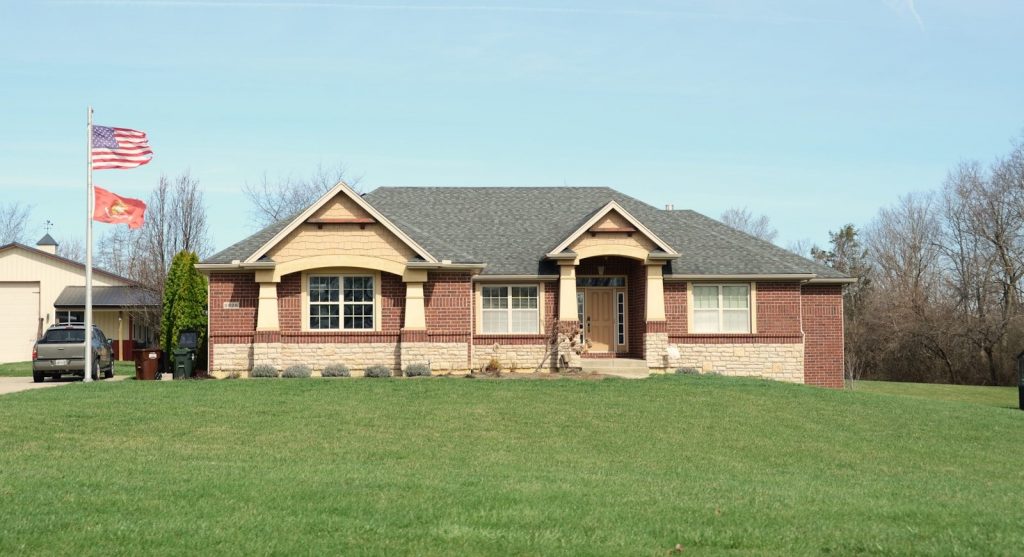
A DSCR loan qualifies on rental income; a conventional mortgage qualifies on your personal income. Compare 2026 rates, down payments, and qualification.

Value add commercial real estate in the Texas Triangle is not a single strategy. It is a collection of distinct plays differentiated by asset class, geography, capital structure, and execution timeline, each with its own return profile, risk factors, and financing requirements.

Retail real estate was supposed to be the casualty of the ecommerce decade. The narrative was relentless and seemingly inevitable: Amazon was killing retail, brick and mortar was dying, and the malls were next. Texas did not get the memo.

Texas leads the United States in commercial construction spending at nearly 90 billion dollars annually, more than double any other state. A disproportionate share of that spending is going into data center development.

Every corporate headquarters that relocates to Texas brings with it a wave of apartment demand that follows a predictable pattern if you know how to read it. The C-suite and senior management relocate first, driving demand for Class A product in premium urban and suburban locations.

The Opportunity Zone program has been made permanent. The One Big Beautiful Bill Act, passed by Congress in 2025, extended and restructured the program as Opportunity Zone 2.0, with new designations taking effect January 1, 2027, following the sunset of current OZ 1.0 designations at the end of 2028.
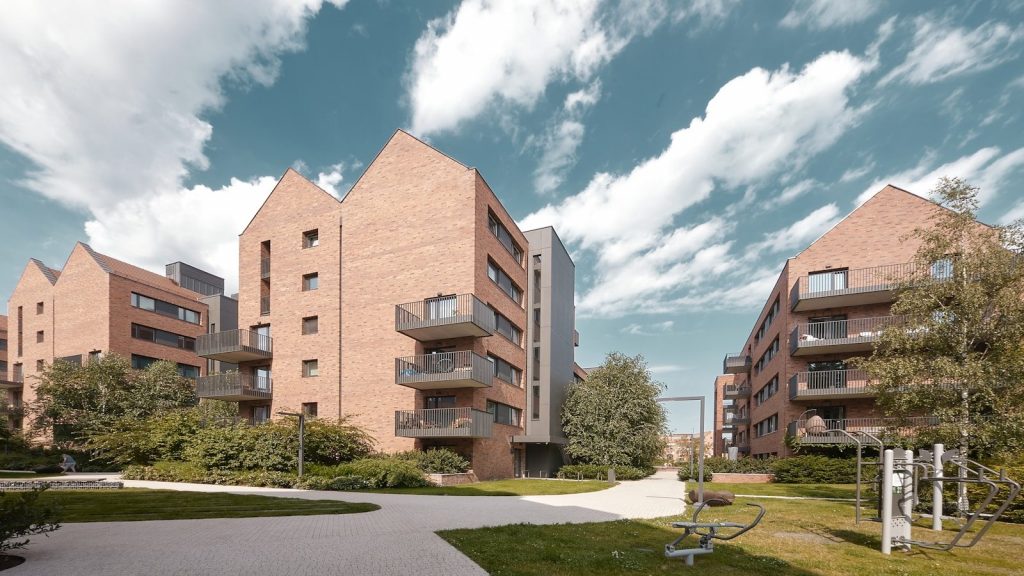
The Texas multifamily market spent 2024 and 2025 digesting an extraordinary supply wave. Developers who approved construction starts during the low-rate environment of 2020 through 2022 delivered a volume of new units that temporarily exceeded absorption capacity in several major metros.

If you are allocating real estate capital anywhere in the United States right now and you are not paying close attention to what is happening inside the Texas Triangle, you are working with an incomplete map. The geographic region bounded by Dallas-Fort Worth, Houston, Austin, and San Antonio has crossed a threshold that goes well beyond typical Sun Belt growth narrative.

Scaling a residential rental portfolio from 10 units to 50 units is not a linear extension of the strategy that got you to 10 units. It requires a different financing toolkit, a different underwriting fluency, and a different operational mindset. The investors who make this leap successfully are almost universally the ones who understood multifamily bridge financing in enough depth to use it as a deliberate scaling mechanism rather than a financing option of last resort when other capital sources were unavailable.
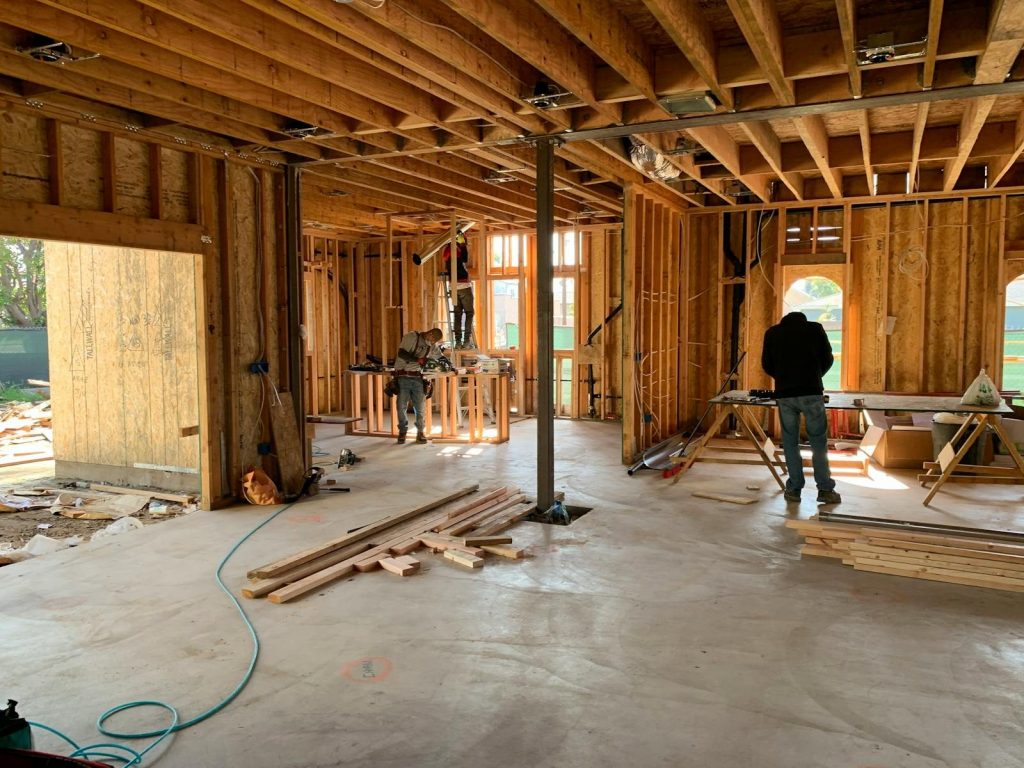
Construction lending is the most scrutinized loan product in private real estate finance, and for reasons that make complete sense once you understand the lender’s perspective. Every other real estate loan type is underwritten against an existing asset: a property that can be inspected, appraised, photographed, and analyzed based on what it is right now. Construction lending is underwriting against a plan. The collateral does not yet exist